In Need of a Quick and Easy Remembrance Day Activity?

I was in a crunch for activities to keep my today’s class of grade 2s and 3s occupied, and they were rising on the decibel scale really fast. So, I pulled this tried-and-true solution out of my bag of tricks and got them settled for an entire 30 minutes (I can hear teachers everywhere breathing sighs of relief)!

I wrote the following on the board since tomorrow is Remebrance Day, and handed out lined sheets of paper. I told students to use the letters to make as many words as they could. I made sure to provide examples with the class contributing, packaged it as a challenge of who would find the most words in a half hour, and kicked back.

Then, this happened.

This slideshow requires JavaScript.


I hadn’t thought about this activity too much with regard to its actual ability to teach students a lot, but today, with students taking the initiative to use dictionaries, I realized it provides a myriad of applications. For one, students were writing words and then looking for rhyming words to increase their word count, others learned new words with the help of their dictionaries. Still others saw patterns in the words and built up steadily on them (e.g. an, ran, bran).

This simple activity can be applied any day of the week or just for special occasions. You can also choose to do it once a week to allow your students the chance to stretch their linguistic brains. And this is applicable across the grades because all you have to do is increase or decrease the complexity of the word to adjust for knowledge levels. Yes, fellow teachers, there are those rare moments when teaching is a cinch!


©booksnnooks.org All Rights Reserved

Once a Student, Now a Teacher.

img_20161014_161631.jpg

This past week I returned, as a teacher, to a place that was a second home during my teen years. A lot of us have either positive or negative experiences of high school. I was blessed to have enjoyed the former. Now, at the beginning of high school, I was shy (yes, in some ways I still am!), and it was anxiety-provoking (and outright painful at times) to come out of my comfort zone. For us introverts, life is a very different playing field, dear extroverted colleagues. I digress, my first years at high school saw me nose-deep in my books and my grades proved it, but with time, I realized I wanted to make more of my high school years (coincidentally, this is around the time I watched the Dead Poet’s Society – awesome movie – and my concept of Carpe Diem began to take shape), and pushing myself to go out of my comfort zone was the way.

Now, during all this time there were a handful of teachers who made it all possible. To any student who has been touched by a teacher to see him/herself in a more positive light, you can relate to what I am about to say. Teachers are in a very unique position to impress positively upon a student. This impression, often unbeknownst to the teacher, can change the course of that student’s life for the better. I had some very special teachers who did this for me.

The first was my English teacher. I will not name her, but if she’s reading this, she knows who she is. She was a tough one (still is), and students often did not receive well her need to push them to be better versions of themselves. I love English (hold your tongue before you call me a nerd!), and her tough-on-you take to teaching, suited me just fine. I viewed it as a challenge to push myself to be a better writer, a better reader, a better student. And that’s how it came to be. This wonderful lady showed me that I had the potential to write well, and she helped me pursue it by giving me the confidence in myself. She took the time to help me tap into a talent that lay dormant just below the surface. She would be the reason I would go on to pursue English as one of my majors in university.

My Careers teacher was similar. Although, he took a different approach to teaching. He was kind, and listened, and seemed to really understand you. He nudged the potential within you gently. His belief in my abilities led me to a leadership camp at 15, a camp that unlocked a lot of what I did not know I had in me. He believed in me before I knew how to believe in myself.

My next two teachers were coaches on my cross country team. One was my French teacher, the other my Biology teacher. Both men were kind and easy to get along with. Our team each year loved them. I remember the first year I tried out for the cross country team and was not able to join for a reason I can no longer remember, my French teacher looked me in the eyes and said, “It’s too bad, because you have what it takes”. Those words were enough. I came back the next year and I raced with my team, and I went on to come back a second year and run the races of my life after spending an entire summer practicing. For my final year, both my coaches recognized my efforts and blessed me with an award.

When I look back at these high school teachers (and there are more teachers from my elementary years), I realize that they all have one thing in common: they went beyond their paycheque-worthy job descriptions. They actually got involved in their students’ lives on a deeper level that allowed them to affect change for the better. They all believed in me and the other students entrusted in their care. And as I continue my teaching career (still in its infantile stages), I am reminded of where my true north lies…always for the students, always for their best.


©booksnnooks.org All Rights Reserved

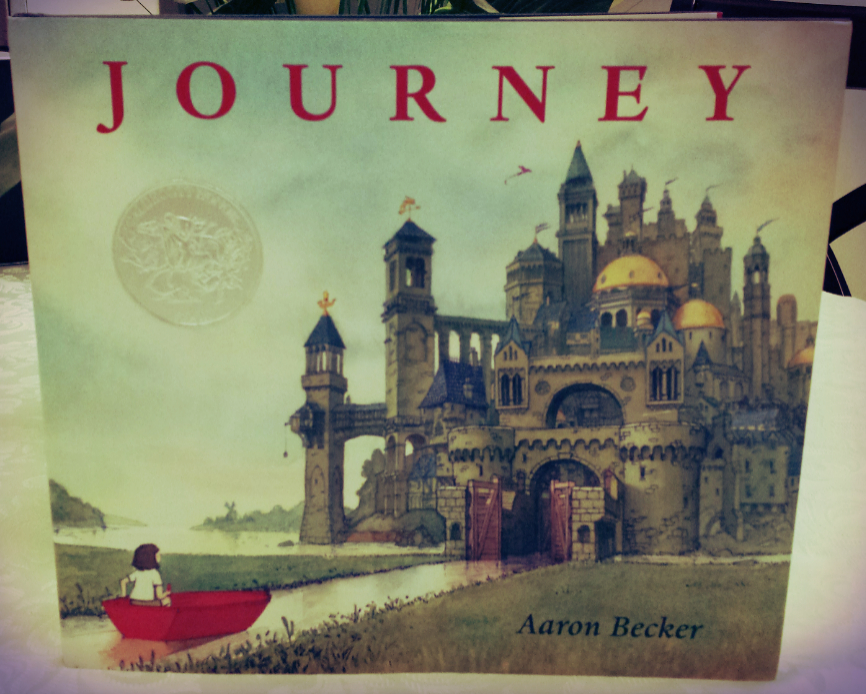
Aaron Becker’s Journey: A True Picture Book

I was first introduced to Aaron Becker’s Journey while doing a teaching placement not too long ago. What I did not realize at first was how versatile this book would become, on not only an age level, but a conceptual and skill-teaching level as well. I have since read it to students at the primary and junior levels, and each time, this book has not failed to create a splash. Becker relinquishes the use of words to tell a story completely in the hands of a child’s imagination. He trusts our young readers, as we must, to make their own meaning out of this heartfelt tale.

I will intentionally not discuss the plot of this book, as I do want to create any skew toward a certain interpretation when the book provides for many. Suffice to say, this book is about a young girl who begins a journey and along the way, discovers much about herself and life.

Juxtaposing grayscale pictures with bold singular colour in the beginning, and then opening wide a world blossoming with colour as the book progresses, Becker unfolds a world that students can envelope themselves in. With magical crayons and castles, boats and hot air balloons, rescue missions and the king’s guards, this book will allow your students to draw the important messages of friendship, selflessness, generosity, imagination and compassion. The sensitively-coloured and poignantly-drawn illustrations provide your students with the opportunity to lose themselves in another world where they can tell you a story as it plays out in the turning  pages. For once, you will not be the one narrating, they will, and they will take much pleasure in making their own tale. The thing I love most about this book is that it allows for a variety of different levels of interpretation that your students can attach themselves to. It prods their critical-thinking and problem-solving skills, it allows them to use language to describe pictures, it helps them with recall and attention to fine detail, and at its best, it provides them with the opportunity to acknowledge the value of a variety of perspectives. It is especially great for those of your students who just do not like reading; a great place to start to show them that books can be fun and instructive, without the burden of a multitude of words.

Teachers, this book is well worth the investment, and a true gem that will prove timeless for your students each year.


©booksnnooks.org All Rights Reserved

The Deborah Ellis Installments (Part I): The Breadwinner Trilogy

Deborah Ellis is a renowned Canadian author who has written a number of books with a lens to promoting awareness about the plight of marginalized children in war-stricken countries. Her fiction and non-fiction are sensitively crafted to present the reality faced by many of these innocents.

In possibly her most famous books, The Breadwinner series, Ellis paints a picture of the life of women in war-torn Afghanistan. This entire series showcases an especially strong cast of female characters that will leave you feeling like you know them personally. Teachers, having worked in a library for a year, I have seen this series being read with great vigour by junior students. Granted these books might appeal more to your female students because the protagonists are mostly female, I do think there is great value in making it part of your teaching, as it allows your male students to understand and appreciate the hardships faced by many children and women in places like Afghanistan.

There are 4 books in the Breadwinner Series:

The Breadwinner

Parvana’s Journey

Mud City

My Name is Parvana

Today, I will speak to the first 3 as they follow closely in chronological order, and can be taught together over the course of a couple of months, if you so choose.

In The Breadwinner, we meet our leading girl, Parvana. She is bursting with energy and opinions, and is not the kind to bend over backward for anyone. Right away we get the sense that this strong young lady is built to tackle much. And much, she does. She is chosen to be the breadwinner of her family when the Taliban enforces bans on women leaving their home without a male companion. With Parvana’s father imprisoned for no fault of his own, her mother and siblings rely on her ability to dress up as a boy and go out into the market to continue her father’s job. Parvana is sharp and kind. She has a conscience that shines through her stubbornness. We understand as an audience that this is reality for a lot of Aghani girls. And at the young age of 11, Parvana must shoulder a lot of the responsibility if she is to help her family survive. Teachers, your students can view this first book through the lens of how the family structure is impacted by war.

In the second book, Parvana’s Journey, Parvana is reunited with her father, but separated from her mother and the rest of her siblings. The book opens with her at her father’s grave, and goes back at points in time to describe the short journey they took together to find her mother and siblings, before his mind and body gave out. For the remainder of the book, we follow Parvana on a harrowing journey as she must use both her cunning and strength to stay alive. This strong young girl has matured significantly since the last time we saw her, but she retains some of her best qualities, like her compassion. With this compassion, she makes and keeps a handful of friends. Teachers, your students can add to their understanding of the interactions of strangers in a war-torn country, and how the youngest of the population must fight for survival.

In the third book, Mud City, we reconnect with Parvana’s friend, Shauzia, whom we have met in the first book. Shauzia has ended up helping out at a Widow’s Compound on the border with Pakistan, but despite being clever and useful, she wants to venture beyond the grounds of the compound and start her own life. She is convinced that if she can reach the nearest city across the border in Pakistan, Peshawar, she can earn a living and then go on to have her own life and do great things. Shauzia does succeed in getting out of the Widow’s Compound, but life in the big city of Peshawar is not everything she bargained for. There is not much work to be had, and going hungry is just in addition to struggling to stay safe and alive. Teachers, this one will offer a bit of perspective on the internal world of an Afghani child, specifically a girl. It will allow your students to draw connections with their own hopes and ambitions, and those of Afghani children. It will also help them see that despite these hopes and ambitions, the contrasts in circumstances and opportunities is what makes achieving both possibly easier for them, and harder for their Afghani counterparts. This book offers teachings in different perspectives, gratitude and hard work.

Teachers, this entire trilogy is a great way to teach your students a bit of geography when you talk about Afghanistan and its location in the world, with reference to other countries such as Pakistan. Students can make connections to other countries they know of in the region. It can further offer the opportunity to delve into social studies as you discuss the government structure of then Taliban-led Afghanistan, and today’s present government. You can also use this to make comparisons with our own Canadian government, or other relevant governments.

The first three books in the series are great for grades 4-6 and offer a range of cross-curricular opportunities because of their versatility.

Stay tuned for a follow-up post where I will discuss the final book in the series, My Name is Parvana.


©booksnnooks.org All Rights Reserved


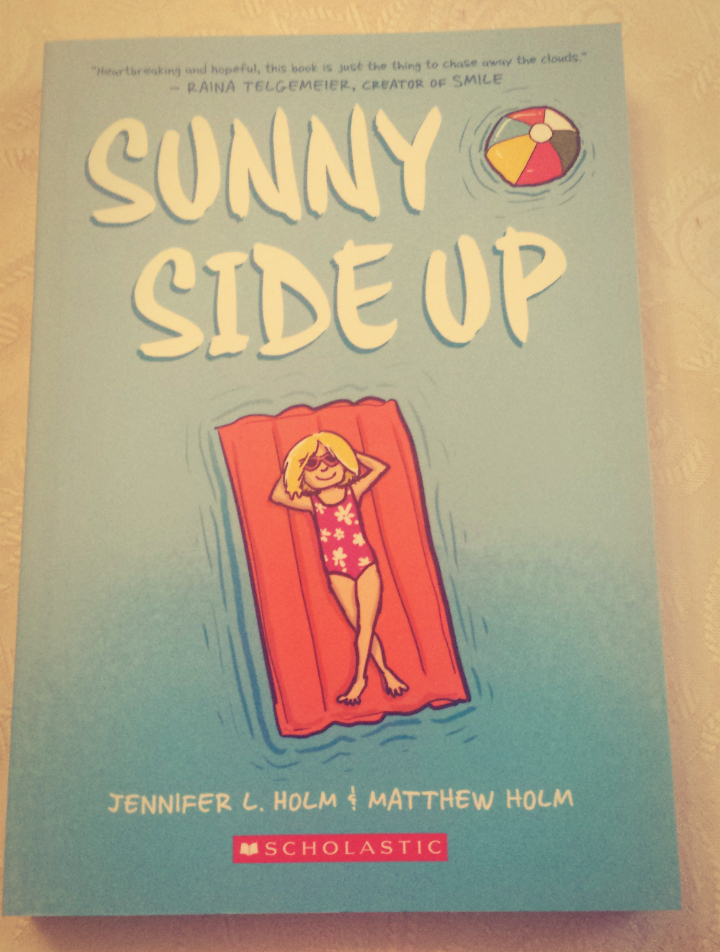
Sunny Side Up: A MUST-TEACH for Junior Grades

Dear Teachers,

Now, some of you might have begun to take heed of your students’ growing interest in graphic novels. I wrote a piece on August 3rd, 2016, here, detailing why graphic novels should be used in classroom teaching.

Today, I would like to talk about one of my favourite graphic novels for your junior grades: Sunny Side Up by Jennifer L. Holm & Matthew Holm. This very well-done novel tells the heartfelt tale of 10-year old Sunny Lewin, who goes to spend some of the summer of 1976 with her grandfather in Florida. Young Sunny has been sent away by her parents not as punishment, but as protection and distraction. Sunny’s grandpa lives in a retirement community and his idea of fun is not quite the same as young Sunny’s. Still, Sunny shows great maturity in doing her best to make the most of it. This graphic novel is told with great sensitivity from a child’s perspective. A child who is dealing with a lot in her life. With flashbacks to earlier points in time, little by little the readers become aware that Sunny has been sent to live with her grandfather while her parents help her older brother deal with his substance abuse. With thoughtfully constructed artwork, the Holm brother-and-sister duo showcase the sibling bond shared between Sunny and her older brother and how his substance abuse affects her life. Teachers, this is a great way to get your students talking about an issue that they might either have no awareness of, or be dealing with on a daily basis. Sunny’s resilience throughout the book is a poignant point that deserves discussion. How does a 10-year old learn to navigate these dark corners of life, and often by herself? The story builds on Sunny’s relationship with her grandfather, someone whom she loves very much, and her role at 10-years old as his keeper. Sunny tries to keep her grandfather in check about his smoking problem, and she plays along while he lies to her, until at one dramatic moment in the book, she loses her nerve. Here we see how this young child, with all of her 10 years, has roughed out life to arrive at a juncture where she will no longer tolerate being treated like a child, because as she proves, she has grown up enough to understand how reality works.

Teachers, your students can do various things with this graphic novel because it is so very versatile. You can dip quite easily into the arts and explore language through that lens, while at the same time fulfilling grade-specific expectations across different curriculum.

With a setting ground in the 1970s, your students can chart important moments in history from the 1970s and work their way forward, they can talk about ways in which the artist uses frames and panels and gutters and speech bubbles, and other graphic novel techniques to convey meaning, you can delve into psychology and the background of substance abuse and how it affects the person who is dealing with it, and his/her family. This book is teeming with things to teach your students, and the best part is, it comes in a form that doesn’t pose a hard sell! Your students will be so excited to jump right into the pages, you will only have to say when!

Teachers, if you are looking for resources to start a unit on this book, please visit my Teachers Pay Teachers account: Cross-Curricular Ideas when teaching Sunny Side Up


©booksnnooks.org All Rights Reserved

Back to School: First Day Jitters!

For a lot of us Canadians, school begins next week. And yes, teachers everywhere are hunkering down for 10 months of a lot of work. And it is no far-fetched notion that the first day gives a lot of us returning to school (staff and students alike) the jitters, which is why First Day Jitters by Julie Danneberg is a fantastic book to read to your students K-3.

The author and illustrator, Judy Love, are very clever with the big reveal at the end of the book where we find out that the person with the jitters about her first day at a new school is a grown woman, a full-fledged teacher. This book provides a platform for discussion about your students’ feelings around their first day of school. Questions such as “How do you feel about going to a new school?” “What are some ways that you could help someone who is new?” are a great place to start. These questions can seek to calm down students who are nervous about their first day of school, and help other students who are not, become more empathetic to their experiences. It further raises a lot of other themes such as facing your fears, being confident in yourself, welcoming new people. And it has the added advantage of being funny! Your students will love the illustrations, dear teachers, and they will find it hilarious that their teachers’ feelings are not so different from their own.

Parents, this would also be a great way for you to prepare your little one for his/her first day (back) at school. To know that his/her teachers experience a similar struggle will allow your child to be a bit less worried about what to expect on his/her first day.

I know I tout a lot of books as must-have when I review them, but I usually review books that I think are particularly helpful or poignant. It is no surprise then, that I declare this book an absolute MUST-HAVE!

Happy preparing for the first day of school, dear teachers, students and parents!


©booksnnooks.org All Rights Reserved


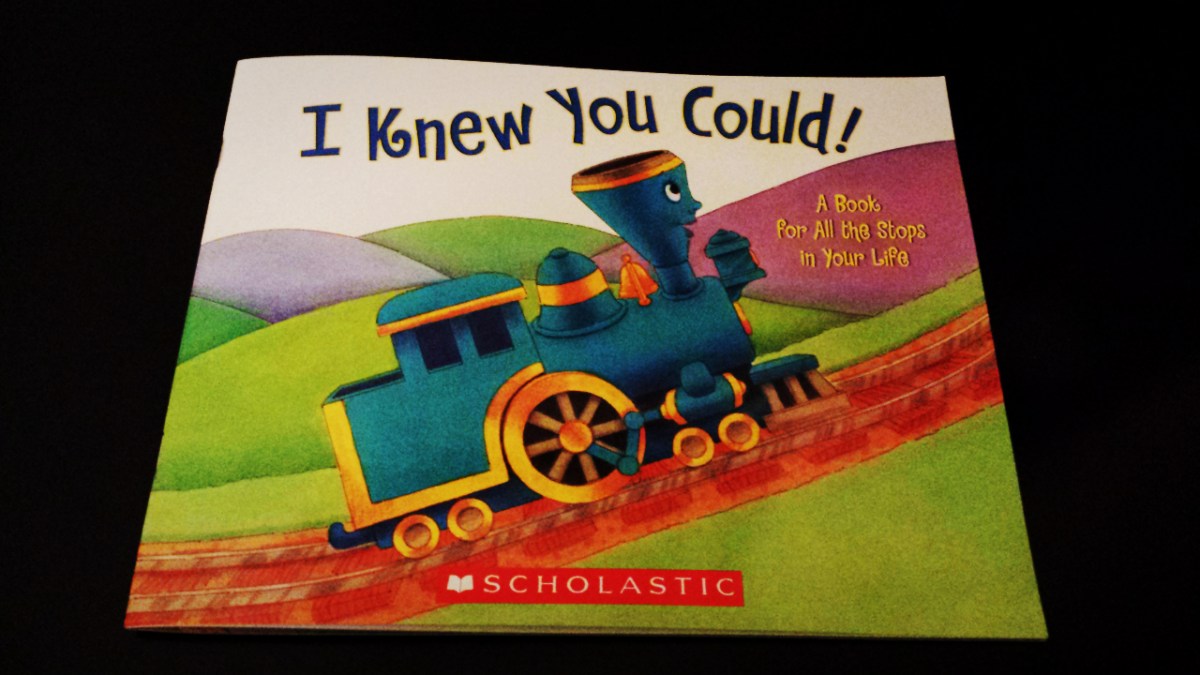
I Knew You Could!: Such an Inspiration!

I should begin this post by saying that I am quite fortunate to have friends and family who are loving and supportive no matter what twists my life takes. They jump with me on my highs and hold me through my lows. So, when a very dear friend of mine gave me this book to celebrate an important event in my life, I had to share it! This book is a great gift to someone who is in need of a little inspiration or encouragement, or just a pat on the back to show your support, but also a fantastic read for your students, dear teachers.

Written by Craig Dorfman with artwork by Cristina Ong, I Knew You Could! is a truly special book. Using rhyme to make the journey one that flows quite seamlessly, Dorfman draws in his readers with thought-provoking life lessons that can be applied at the different stages in our lives. What I love about this book most is that it is relevant. It uses the symbol of  a train to chronicle a journey through life and along the way, likens a train’s experiences to bigger life experiences. The metaphors are rich and the similes just as compelling. This book is imbued with positive thinking that a lot of people can relate to. It draws attention to the harsh times we face in our life journeys, and positions hope and perseverance as the tools essential to get through the journey.It encourages the reader to be true to him/herself and rely on friendships and loved ones during hard times. It is a book truly that should belong on every shelf as the first piece of positive-thinking or self-help literature that one might own.

Teachers, do yourselves a favour and buy a copy. Not only will you love reading this to your students as you teach them valuable life concepts, but you will smile as you read this to yourself. Moms and dads everywhere, you might just want to head off to the store to pick a copy to read tonight to your precious little one(s). Trust me, you will be glad you did.

And to my dear friend (you know who you are if you are reading this), thank you for believing in me, and for this beautiful memento of inspiration.


©booksnnooks.org All Rights Reserved

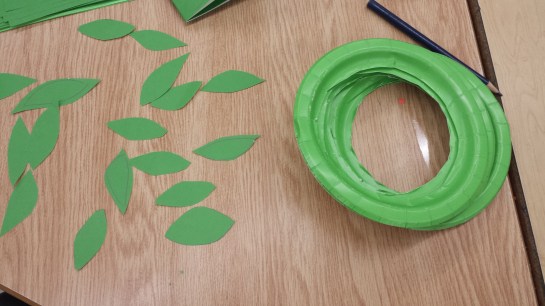
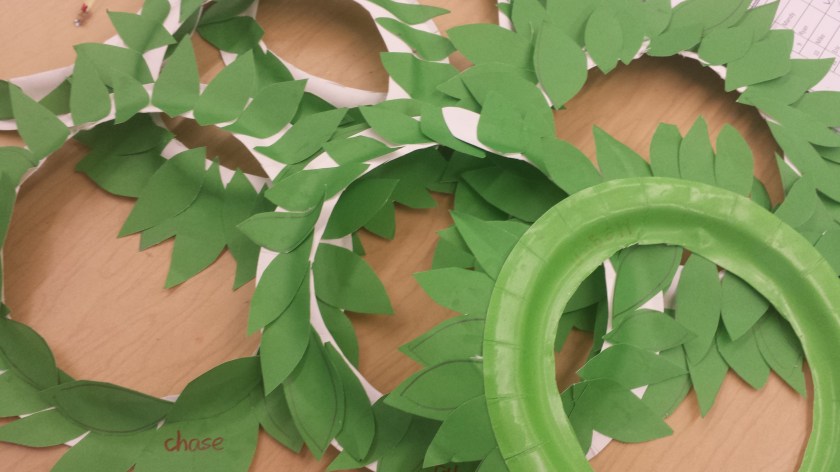
Hold onto Your Hat! Olympic Wreaths Just in!

To wrap up our theme of Olympic Games this week (and with the Olympics ending on Sunday), I had my students make Olympic Wreaths in class. I came upon a picture of this online, and found it to be an easy and fun activity that even my staff had fun doing!

Making Olympic Wreaths:

1. You will need sheets of green construction paper, paper plates (white or green) and a pair of scissors. All of these materials can be bought from the Dollar Store.

20160816_101525.jpg

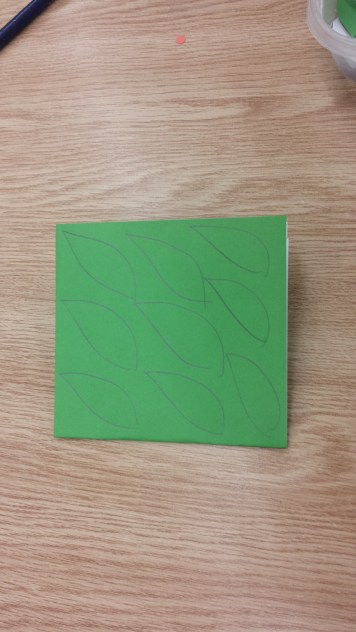
2. Take a sheet of the green construction paper and fold it twice so you end up with a small square.

3. Draw leaves on the green surface of the folded construction paper, filling it up as much as possible.

20160816_101619.jpg

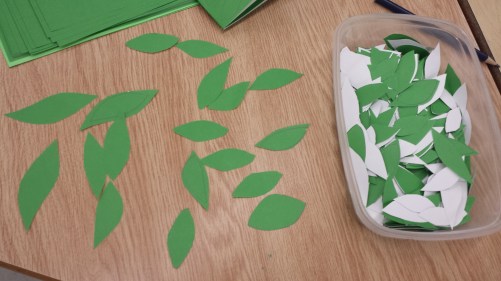
4. Cut out the leaves and store them in a (plastic) container.

20160816_101727.jpg

5. Take your paper plates and cut out the insides. Hold onto these insides for later.

20160816_101737.jpg

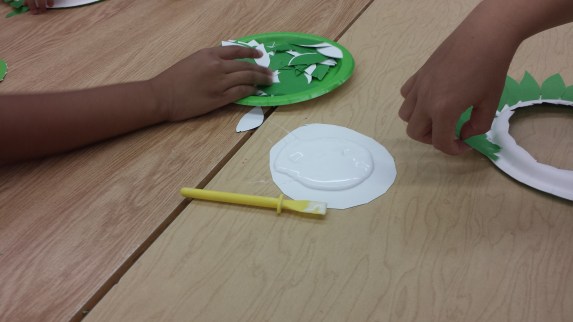
6. Put liquid glue onto the insides of the cut-out paper plates and leave one on each table for students to use.

20160816_112337.jpg

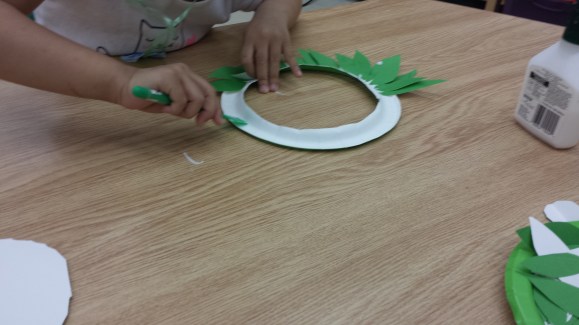
7. If available, use flat-nibbed utensils for spreading (other alternatives: Popsicle sticks or dip leaves directly) the glue onto the plate and gluing the leaves one by one.

20160816_112818.jpg

8. Glue leaves in one direction, or both, alternating every few leaves to achieve desired pattern.

9. When wreaths are ready, make sure to write each student’s name in marker. And, enjoy!

20160816_133303.jpg


©booksnnooks.org All Rights Reserved
 

Getting Ready for a Field Trip: What You Need to Remember

So, a field trip is coming up and you want everything to go without a hitch. Chances are, it won’t be perfect. There will be problems, but how do you manage the problems to minimize damage?

Organization is key to preparedness. Here are some things worth keeping in mind.

Before the Trip:

  • Emergency Information: Compile all emergency information into one convenient notebook or travel agenda. This can be one you use throughout the year for all field trips. Make sure to take this with you on your trip.
  • Allergies: If you are going somewhere where food is being served, or just outside where the elements might cause triggers for students with allergies, it is important that organizers of the event know which children in your group have allergies, and to what. All the staff in your party should also be aware of the students with allergies. Compile a list with detailed information and give each accompanying staff member a copy.
  • Lunches & Snacks: Make sure students and their parents know this is a trip. Encourage them to pack foods that are easier to carry: light sandwiches and light snacks with easily disposable wrappers are great options. Students should also be encouraged to carry bottled water, especially if trips take place during the hot summer months.
  • Media Release Forms and Waivers: Whatever liability documentation needs to be filled out, make sure it is done prior to the trip.Consider giving out information letters to parents with these forms at least a week in advance of the trip. Make the due date for all forms a couple of days before the trip, to allow for those students who might overshoot the due date.
  • Information for Support Staff: Are all your support staff informed of where you are going? Make sure that all pertinent information is available to each member. Consider compiling a package for each staff member with a map of the place, address and phone number of those in charge, student allergy information or other health concerns, schedule for the day, and any other information that would ensure a smooth and safe field trip. Remember, communicating with those who are helping you on the trip is key.
  • First Aid Kit: This should be prepared ahead of time and one person should be put in charge of it. Perhaps the person who has more experience handling emergency situations should be made responsible. Your usual suspects should feature here: Bandaids, gauze, alcohol wipes, Epipens for students who are too young to carry their own.
  • Identifying Attire: Consider having your students wear T-shirts that identify them all as part of a group. Perhaps your school has a uniform. If this is the case, make sure to remind students to dress to the proper uniform code prior to the day of the trip. If there is no uniform, consider having them wear school mascot T-shirts if these are available, or perhaps contact wristbands or chains.
  • The Safety Talk: Make sure you talk to your students about safety on a trip. Ask them questions about what it means to be safe. Alert them to different situations they might face on this trip, and then how they can protect themselves or a buddy from harm. A Buddy System is a good idea. Establish this ahead of time, with room for accommodations on the day of the trip, should attendance change.

On the Day of the Trip:

  • Supervision Groups: Depending on the students who are attending, establish a staff supervisor for each small group of students. If you have parent volunteers, they should receive the same information as all staff. Typically between 5-8 students per adult is a good number.
  • A Quick Check: Do a quick check before you leave. Do you have the First Aid Kit? Do you have the Emergency Information Notebook? Are all your students accounted for? Do each of them have their backpacks and lunches?
  • Buddy System: In addition to having supervisory groups and counting them all the time, and observing them all the time, making more responsible or older students, in charge of younger ones just means one more pair of eyes is looking out for each student. And that is always a good thing.
  • Cell Phones: Your cell phone should be fully charged for the day, and on Ringer Mode. In case of an emergency, you want to be able to pick up that call right away.
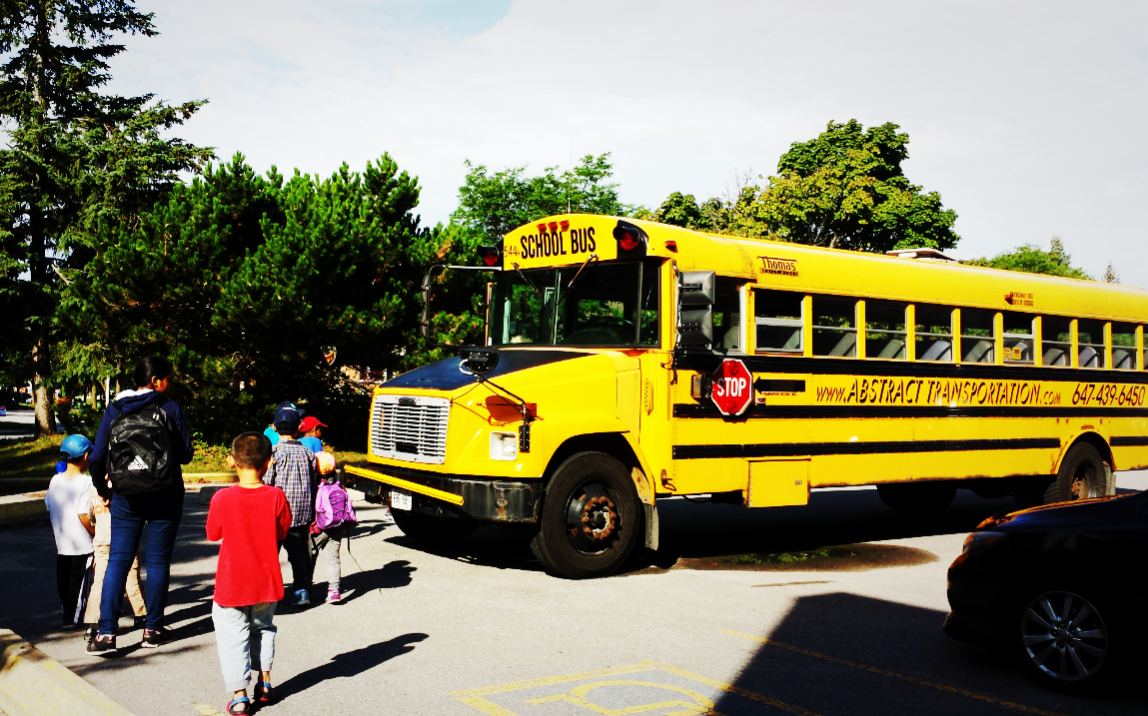
  • Count-count-count: Establish the total number of students attending the trip. Count before you board the bus, count while on the bus, count when you get off the bus. Count your students every chance you get. It only takes a second to lose one of your students, so staying on the ball about this one can be crucial.
  • Observe-observe-observe: Just like counting all the time, watching your students at every turn of the trip is important. You can heave a sigh of relief when they are all safely back at school and in their parents’/guardians’ possession. Until then, they are your responsibility.
  • Washroom Supervision: Always have an adult accompany groups of students to the washroom. The adult can remain outside to monitor students.

Now, while there are many more things you could do to ensure a smooth field trip, these ones are a really good place to start. Remember to stay calm in the event of an emergency. Cooler heads always prevail.

©booksnnooks.org All Rights Reserved

Olympic-Themed Summer Art: Olympic Torches!

Now, whether you’re a teacher of students aged 3-8 at a camp this summer, or a mom of a couple of kids looking for something to get them in the Olympic spirit, why not try making an Olympic Torch?

This simple (I promise!) art activity is really fun to do, and your children/students can make as many as they like.They could even use them in an opening ceremony of your own Olympic Games! This was found while browsing the internet and is by no means an original concept.

Teachers, to begin, you might consider providing some context for this art activity by showing your students a short clip of the lighting of the Olympic Cauldron. I found a quick one on YouTube that does the trick quite well: Lighting of the Olympic Cauldron – Rio, 2016

Once students have viewed this video clip, you can have them share their ideas on what they saw, seguing into the Olympic Torch. You might even provide some background information for some of your older and more interested students. The official Olympic Games website provides this information: Olympic Torch Relay

The art activity, as I promised, is quite simple. You need only to cut flame shapes out of tissue paper (light or dark orange, yellow, red), as below:

20160809_191954.png

Next, pull a couple of each colour and twist into something of a “flower” as below. Use tape to secure the twisted bottom portion:

20160809_192314.png

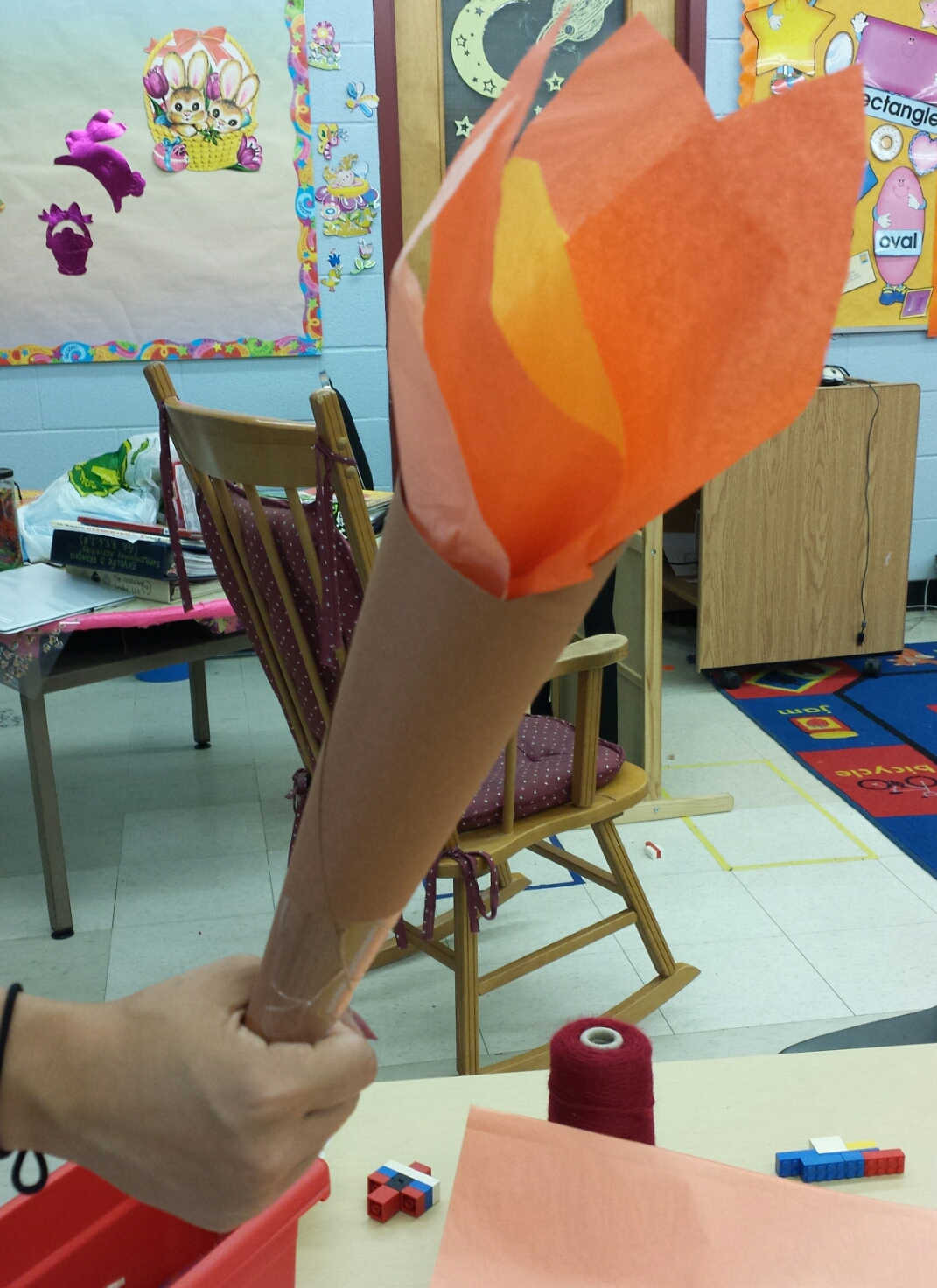
Finally, roll a sheet of brown construction paper into a cone, securing with tape. Then, stick the flame into the cone and make sure to use a bit of tape to stick the bottom of the flame to the inside of the cone.

20160809_192414.png

Et voila! Now gather your torches one and all, and parade around!


©booksnnooks.org All Rights Reserved