Why Inquiry-Based Learning?

Inquiry-Based Learning is a BIG component of student learning. It begins in Kindergarten and then carries through as much as possible, all through a student’s life. The idea is that when a student is able to engage in activities where they themselves can begin thinking about the problems and solutions to the scenarios inherent in those activities, their learning is more effective.
inquiry based learning blog
Source: Google Images

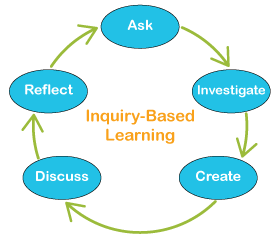
The above model begins with the child asking him/herself or the teacher a question. An investigation is carried out whereby the child creates a product to explore that question. A discussion is held with a peer during imaginative play or with oneself as the child plays alone, to be able to answer that question. The reflective process then follows right away where the child begins to look at his/her design and refine it if necessary for added understanding.

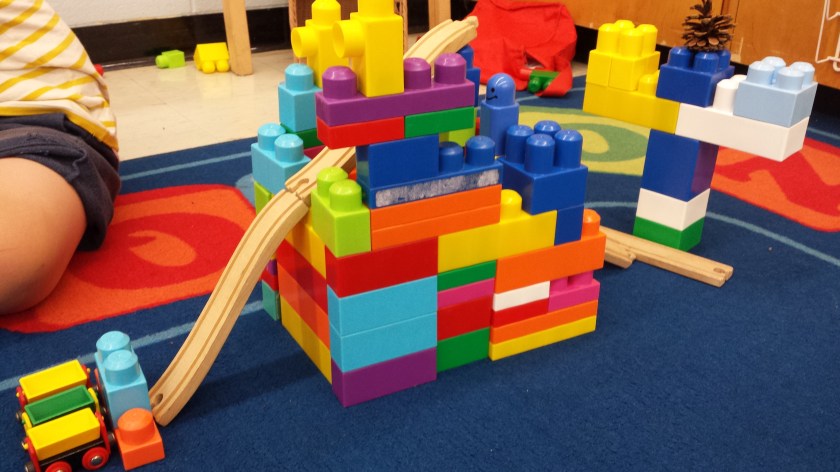
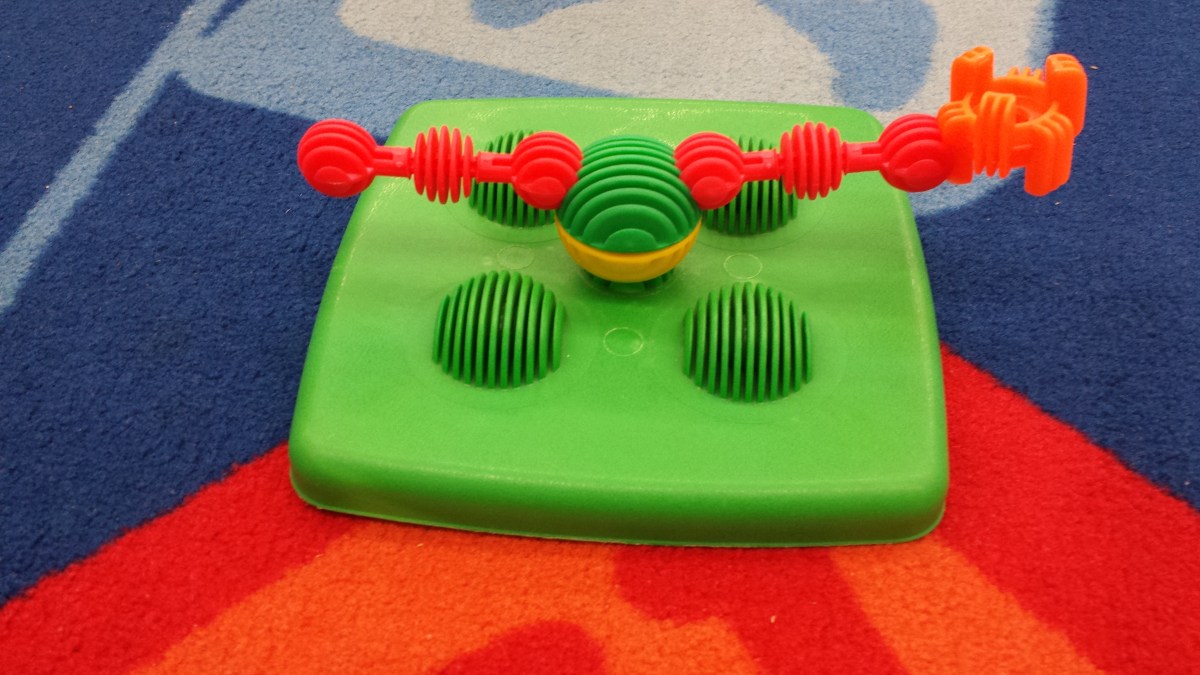
As part of our classes this summer, my teaching partners and I make sure to provide our students with ample time to explore different manipulative toys, such as LEGO and other building materials, to help with our students’ inquiry-based learning. Below are some creations made by our students aged 4-8:

This slideshow requires JavaScript.


20160808_133506.jpg


©booksnnooks.org All Rights Reserved
“Words Are Not for Hurting”: Teaching Children to Be Kind with Their Words

“I don’t like you.”

“You talk funny.”

“Your hair looks weird.”

These days some children use their words to cause pain. They throw around harsh syllables strung together with absolute thoughtlessness. They are exposed to a barrage of media and other mediums that make them believe it is okay to spit out whatever they wish, without taking any responsibility for the consequences their words may have. They are not taught otherwise, so really, how can we blame them?

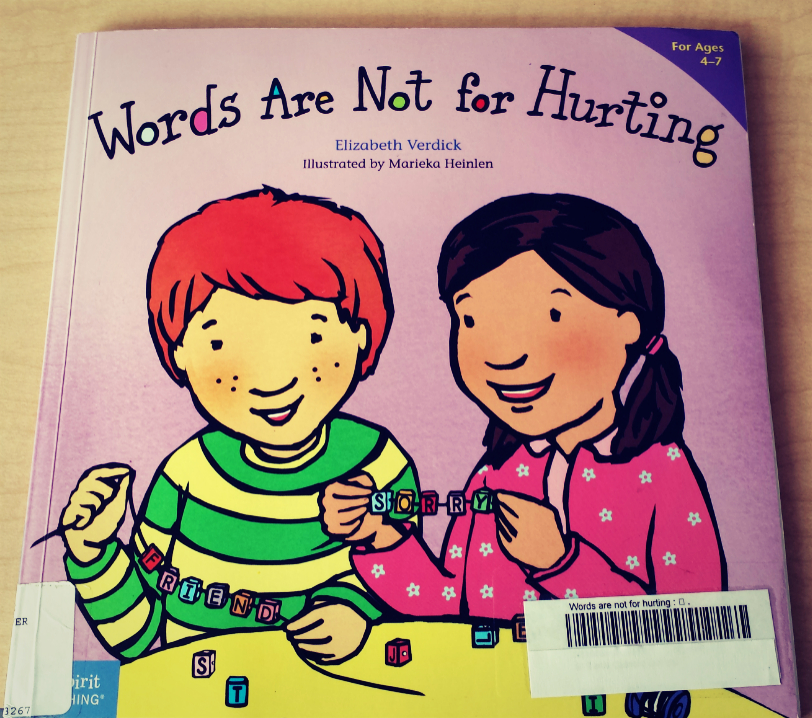
Words Are Not for Hurting by Elizabeth Verdick does a fantastic job of laying down the law around how to use words to help and not hurt. This book is essential in Kindergarten classes and homes of 4 year-olds everywhere. This culture of being rude and unkind willy-nilly is an epidemic that needs to be curbed. As teachers, often we are in very influential positions when it comes to how our students grow up. We can steer them towards being respectful and considerate, generous and tactful. And while it is important for students to learn the basics of Math and Science and Reading, it is more important for them to learn how to be good citizens of the world.

In her book, Verdick systematically charts out how words are formed, with letters, and then maps out what kinds of words there are, then seamlessly seguing into hurtful words versus kind words. She offers scenarios to explore feelings and play out different alternatives to addressing the pain caused by hurtful words. This book makes for a clever read-and-think-aloud. Students will pick up poignant details in the illustrations that display body language and facial expressions showing a range of emotions. They will bounce off ideas and deliver very clever and sensitively-thought-out reflections that will warm your heart, because really, there is goodness in all of us that just needs a firm foundation to build on.

So, add this book to your list of MUST-HAVE read-alouds, if you’re a kindergarten or even higher grade teacher. Sometimes, we all just need a little guidance to be a better version of ourselves.

© booksnnooks.org All Rights Reserved