31-Day Social Justice Education Project Day 1 – The Ethics of Dairy

I watched the U.S. Democratic Presidential Debate last night. As Canadians, what happens down South affects us, but more importantly, this debate pointed to some holes in the moral fibre of our society today; a lot of social justice issues came up: healthcare for all, better education, better universal wages for struggling individuals, corporate greed. And that is where I will begin today. The ethics of dairy, specifically, the role of corporate greed in all of this.

Except, I begin with an unlikely item in the circles of corporate greed. Milk. I recently watched a documentary titled, The Milk System (Teachers, this documentary is available on Netflix). Milk is touted as an essential in our diets. It is a critical source of calcium; it is instrumental in the proper formation and then the maintenance of strong bones and teeth. Or is that what dairy businesses tell you because they want you to buy their milk products? Have ads from the 50s and 60s pervaded our present consciousness to create this “fact” that milk is a superfood? Yes, there are scientific studies that advocate the nutritious benefits of milk, but the nutrition of milk is not under fire here. It is the ethics of milk production. What are the costs, and do they outweigh the benefits?

Watch the trailer of The Milk System

Reasons why your students should watch The Milk System documentary:

  • Standing at 1 hour and 30 minutes in length, this documentary is a look at milk from various angles of the production to consumption process.
  • It looks at the lives of dairy farmers in Europe and other parts of the world, examining in detail the hardships they face and the never-ending battle they fight with dairy factories.
  • It takes a hard look at corporate milk giants further along the production process who take advantage of the desperation of these farmers, working the families, the land and the animals beyond their God-given abilities.
  • It provides a glimpse into the marketing of milk, and how as a society we have been, and continue to be lied to.
  • It maneuvers through an in-depth look into the brutality with which the animals in question are being dealt.
  • And, it provides an insight into the milk imprint on the environment, and how we as consumers can make a difference.

Concepts this post covers, and those students can explore, through guided and inquiry-based learning of this documentary:

  • The socioeconomic struggles faced by farmers
  • The mental health crisis affecting farmers and their families
  • The toll on the environment as a result of demanding increased milk production
  • The dairy factories’ culpability in the various crises faced by farmers, animals and the environment along the way
  • The marketing of milk and how this affects our lives

ACTIVITIES TO TEACH THIS CONCEPT:

1. K-W-L Chart

Teachers, before you begin a screening of this documentary for an English, Nutrition, Social Sciences, Law or Religion class in high school (really anywhere from grades 9 – 12), ask your students to complete a K – W – L Chart.  I have provided a standard sample for your use, but you can create any manner of K-W-L charts to suit your creative talents, and the ways in which your students learn best.

*If I may make a suggestion at this point: with a mind to live in an environmentally-responsible way, I would like to propose that you use Google Classroom (or a similar platform) to run your classes. There are various benefits:

  • You don’t use as much (or any paper) because you post everything online
  • As teachers, we carry so much marking around, but with an online platform, you just need to carry one device (and this could even be just your phone!) that gives you access to all your students’ online assignments.
  • And access: you can post from anywhere, and your students can access from anywhere.

With the K-W-L Chart, prompt your students to think of:

  • What they know about milk, including, its production, marketing, sale and consumption (What I Know)
  • Ask them to also note down any questions they have (What I Want to Know)
  • And for the last column, encourage them to keep a running account of what they learn as they learn it (What I Have Learned)

2. Milk Myths and Facts Activity

You can also do a Milk Myths and Facts activity with your class. In the hyperlinked PDF, I have provided a list of comments about milk. You may print these and cut them out for your use. Put your students into groups to complete this task, and have them evaluate each statement to conclude whether it is true or false. Students may NOT do any research as they determine the verity of these statements. Encourage them to call on their own knowledge as they make their assessments. Have these same statements written out on the board in advance. Once groups have determined whether their statement is a myth or a fact, have them share their ideas with the entire class. Have students from other groups chime in with their comments on the statements (as you see fit). For your information, and to facilitate the teaching of these milk myths and facts, please refer to the following websites:

White Lies? Five Milk Myths Debunked

Stanford Medicine: Christopher Gardner Busts Myths about Milk

After this activity, have students go back and add to their K-W-L charts.

3. Watch the Documentary The Milk System

As students watch this documentary, have them add to the various columns of their K-W-L chart. Encourage them to make additional notes on their perception and understanding of the documentary.

4. Debrief

When you are done screening the documentary, have an open and informal debriefing session. I have provided The Milk System Documentary Debriefing Questions you can ask students to get them thinking critically about the documentary.

5. The Mental Health Crisis: How Farmers are Affected

Have students read the following articles and watch the following videos to answer the question, “What factors affect the mental health of farmers and why?”

You may choose to have your students write an expository essay on the question, or do a research paper on the same (depending on the level and the subject area you are teaching).

Articles:

Quiet Epidemic of Suicide Claims France’s Farmers

Why Are So Many French Farmers Taking Their Own Lives?

Videos:

Fields of Despair: Suicide Plagues French Farmers 

Farmer’s Suicides: The Rising Human Cost of the EU’s Agriculture Crisis 

6. Evaluating Milk Advertisements

Put students in groups and have them choose 3 milk advertisements from 3 different decades. Below are some exemplars you can use to help get them started. Ads can be either single image posters, a series, or videos. Have students compare and contrast the various messages associated with each advertisement.

In their groups have them create a presentation using a medium of their choice (press, Google Slides, 2D poster etc.) to share their findings with the class. Students can also answer the following question in a 3-paragraph response, as part of this presentation, How do these ads affect the public perception of milk? How has this changed over time?


7. Researching the Impact of Dairy Farming on the Environment

Students can access scholarly articles to determine the ecological footprint of dairy farming. Teachers, the criteria for this research paper and the evaluation method will largely depend on the level you are teaching and the subject area, which is why I will leave these components to your professional discretion. Should you need help in locating additional material for this assignment, please get in touch. You may start students off by pointing them to these journal article abstracts:

 **********

I hope you have found this post helpful, dear readers. Teachers, the ideas and materials provided here may be tweaked according to your preference, and the needs of your students. I would value any feedback you have about the reception of the documentary with your students, and the execution of these activities. Please follow me on Instagram for additional lesson ideas @creativeteachingbybd

This wraps up Day 1 of the 31-Day Social Justice Education Project! See you tomorrow!


©booksnnooks.ca All Rights Reserved


The 31-Day Social Justice Education Project (Rationale and Call for Suggestions)

Dear Readers,

I have been gone for a long time, my apologies. The life we lead these days has a way of pulling us away from the things that bring us true joy. Writing brings me joy. Writing about things I care about brings me joy.

Over the last year, I have been on a steep learning curve. Accepting a contract at a high school with a very intensive pace of teaching, I did not really have the chance for a life of my own. However, I learned a lot. Over the course of this past school year, I pushed myself beyond my comfort zone as a teacher. I sought to educate myself about critical social justice issues and then prepare material about the same so I could educate my students. In so doing, I realized that people in power: corporations, politicians, really, the wealthy and privileged, prey on the lack of education that the masses possess. So, I am beginning a campaign to educate my readers (including you, my fellow teachers) on social justice issues affecting us today. I will do so through the lens of a secondary school educator. Teachers, all lesson plans and material I post here will be free because education should be free. 

Beginning on August 1st and ending on August 31st, I will post one blog each day on a social justice issue affecting our planet and how to teach this to our students. For those of you who are not teachers, I will also be posting links to various resources so you may educate yourselves and the people you care about. I have one aim through all of this, and that is to educate the masses, so we are armed with the currency of knowledge in a world where our primary enemy is greed.

So, readers, as I begin this campaign, I realize I cannot do it alone, and therefore, I am calling upon you to submit ideas for various social justice issues that I should research and develop or curate educational material for. Wherever you are in the world, I would like to hear from you about a social justice issue that is affecting your life or the lives of those dear to you. Please send an email to: 31daysocialjusticeedproject@gmail.com

In your e-mail, kindly provide the following:

  1. Your first name, or what you would like to be called
  2. Where you live in the world. The country will suffice, but it would be helpful to know which city you live in, especially if you live in a large country.
  3. Your social justice issue with a couple of sentences describing it and why it is important to you.
  4. Resources I might use to begin my research (if you know of any)
  5. If you are a teacher and would like to share some of your own originally-created resources or curated resources, please send them along as well. You will be given sole credit for your original material.


I might not get to all your suggestions, and some might take longer to appear than others based on how much research and work I need to do to produce a fully-functional educational resource for it. 

To give you a preview, but also to get you thinking about things, some topics I wish to cover include:

  • Environmental sustainability
  • Discrimination
  • Food equity
  • Corporations and their relationship with farmers
  • Canada’s relationship with her Indigenous Peoples
  • The psychology of marketing and how it affects you
  • The toll of living in a patriarchal society

I hope to cover social justice issues ranging from religion to politics, technology and communications to marketing, recycling to psychology, economics to history and everything in between. I am a Canadian teacher, and some of my content will be about Canadian issues with Canadian resources. I will do my best to cater to the international educator, and this is where your suggestions will prove instrumental. If you send a suggestion, I will be sure to mention you in a special shoutout.

Please feel free to connect with me on Instagram @creativeteachingbybd. You can add your own social justice education projects by using #31daysocialjusticeedproject.

Let’s begin this #31daysocialjusticeedproject and make knowledge a global currency that helps to sustain more conscientiousness living. Who’s with me? 


©booksnnooks.ca All Rights Reserved


Three-Spiced Chow Mein

I learned how to make Chow Mein from the best cook I will ever know, my momma. Part of that learning, however, is imbued with the need to try recipes different ways; the experimentation process. In this Chow Mein, the method is momma’s, the flavour is mine. Let’s get started!

Ingredients:

Spices:

Shahi Dal Masala Mix

Turmeric Powder

Soy Sauce

Salt

Pepper

Other:

Green Beans

Carrots

Garlic

1 Hotdog pack

Rooster Instant Noodles (or any other pack of instant noodles you fancy)

Eggs

*Use intuitive quantities of ingredients based on the number of people being served and taste-preferences.

Method:

Slice the green beans, carrots, garlic, and hotdogs.

20180104_181946.jpg

If you have a lot of time, sautee all your ingredients separately. If time is of the essence, throw them in a big pan together.

20180104_182628.jpg

In a separate pot, throw in the instant noodles and add some kettle-boiled water to get things going faster. Add in salt, soy sauce, the masala mix, and turmeric powder. The quantity of each will depend on your personal taste. I used turmeric powder to add colour to my noodles, but mostly because of its health benefits. It acts as a great anti-inflammatory and infection-fighter. Allow the noodles to boil until all the broth has evaporated, but without burning the noodles. Add some pepper and the fry from the pan.

Scramble eggs with salt and pepper in a pan.

20180104_184643.jpg

Mix everything together in the pot with the noodles, add some pepper and enjoy!

20180104_185100.jpg

Variations:

There are a number of ways to make this. You may add other veggies like cabbage, or do it without the hotdogs and try some minced beef instead. You may want to do away with the turmeric and masala mix and just stick to your basics. Use whatever noodles you like best; I prefer noodles with basic ingredients I trust and can pronounce. Basically, experiment and make it your own.

©booksnnooks.org All Rights Reserved
In Conversation with Noam Chomsky: Requiem for the American Dream

I’ve always loved watching documentaries, and having someone who enjoys it just as much as I do makes the process entirely enjoyable. This weekend we sauntered off on a lazy morning walk in the rain, and after the obligatory Spiced Pumpkin Latte, we headed to the library. Among the titles of DVDs we picked out to pass our weekend was Requiem for the American Dream, and boy what a treat.

Presented by Noam Chomsky and informative and kind in its brevity, this video offered a dissected view on the relationship between politics and power and wealth. It broke down the way of our lives in the 21st Century into 10 principles. Ten chunks of crucial learning with textured examples that confirms all the diabolic notions you have about institutions and persons that wield power in our society. 

One of the greatest intellectuals of our time, Noam Chomsky, American philosopher, linguist, activist (in short, master of many trades!) converses with you and I as if we were just chatting him up in a coffeehouse on the derelect state of our moderm society. Chomsky discusses with precise rationalizations, the illusion of “democracy” in the United States of America and the control of wealth and power by a select few to the detriment of the larger populace. He describes with needle-like accuracy, the processes through history that have led our lives to the current debacle we enjoy, rampant inequality in all its vibrant colours. As a teacher, I liked the clarity with which this documentary was presented, providing an effect-and-preceding-cause type of layout which allowed a charting of a historical course and as a result, a better understanding of our current stations. 

While critics may argue against the nitty-gritty details of Chomsky’s assertions (and I would agree with many, his views are not holistically accurate), Chomsky does a good job of educating the public on the constraints within which we are forced to live. He does not claim to be speaking the truth; he is merely offering his viewpoint on crucial elements of daily life. Topics such as Feminism, the Civil Rights Movement of the 1960s, the Advertising of the late 60s and 70s are touched upon and make for good fodder for discussion in a Social Sciences, History, Policy, Law, Civics, or English class. 

It is true that if you live consciously in our world today, you have likely already surmised (if not given clear labels to) the different injustices and inequalities and negativities that Chomsky calls attention to; I mean these are in part the cause for greater disillusion and depression in our world, aren’t they? However, where Chomsky’s genius comes to shine is in his ability to distill clearly the crucial elements that educate the little guy about the puppet-life he is forced to play at the mercy of giant financial corporations, corrupt politicians, media moguls and other moral-lacking individuals in power. 

Watch Requiem for the American Dream. Yes it will burst your bubble of a pretty perfect life if you are the gerbil on the wheel in society, but it will also then allow you the chance to get off that wheel and think for yourself, because isn’t that how the select few control you? By thinking for you?

If you do get around to watching this film, do leave a comment below; I’d love to hear your take on it.

©booksnnooks.org All Rights Reserved

The Nordic Traveller’s Budget Guide: Norway

I was sad to leave Iceland; perhaps a couple of days longer would have done the visit justice, but then we landed at the Avinor Oslo Lufthavn and now I’m in another state of mind!

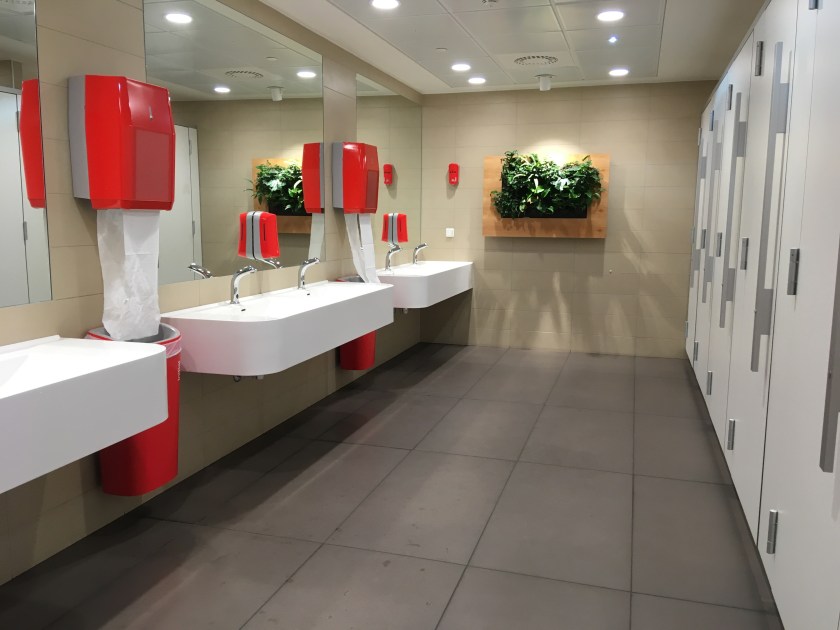
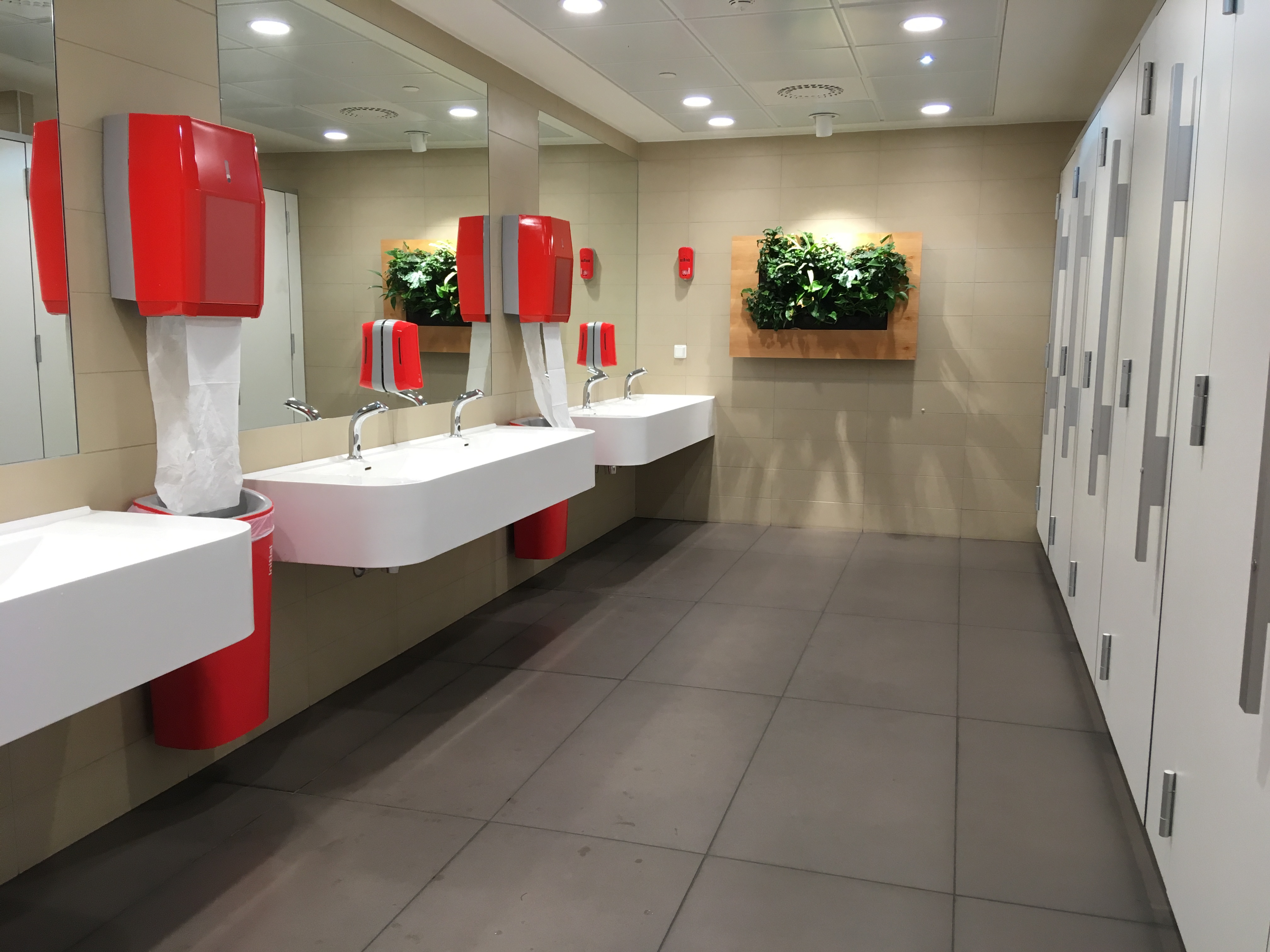
So, my first impression of Norway was white Lacrosse shoes, Ralph Lauren Polo Tees, tall and beautiful models passing off as regular people, and clean public bathrooms. I mean, look at this one!

Public Washroom at Avinor Oslo Lufthavn
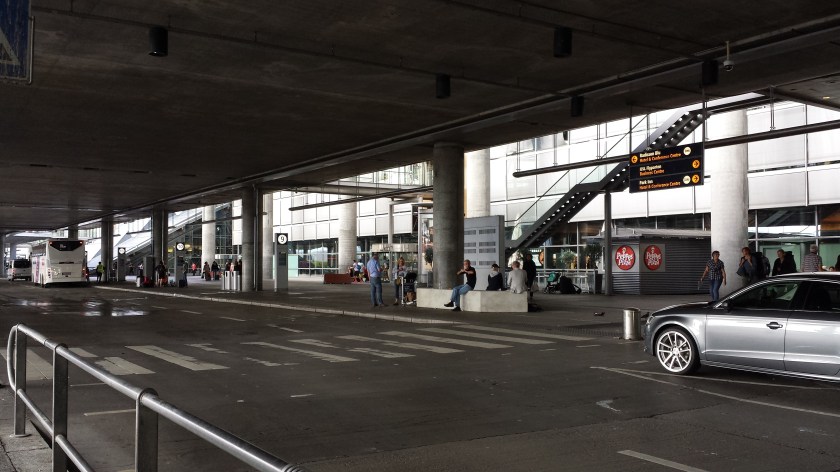
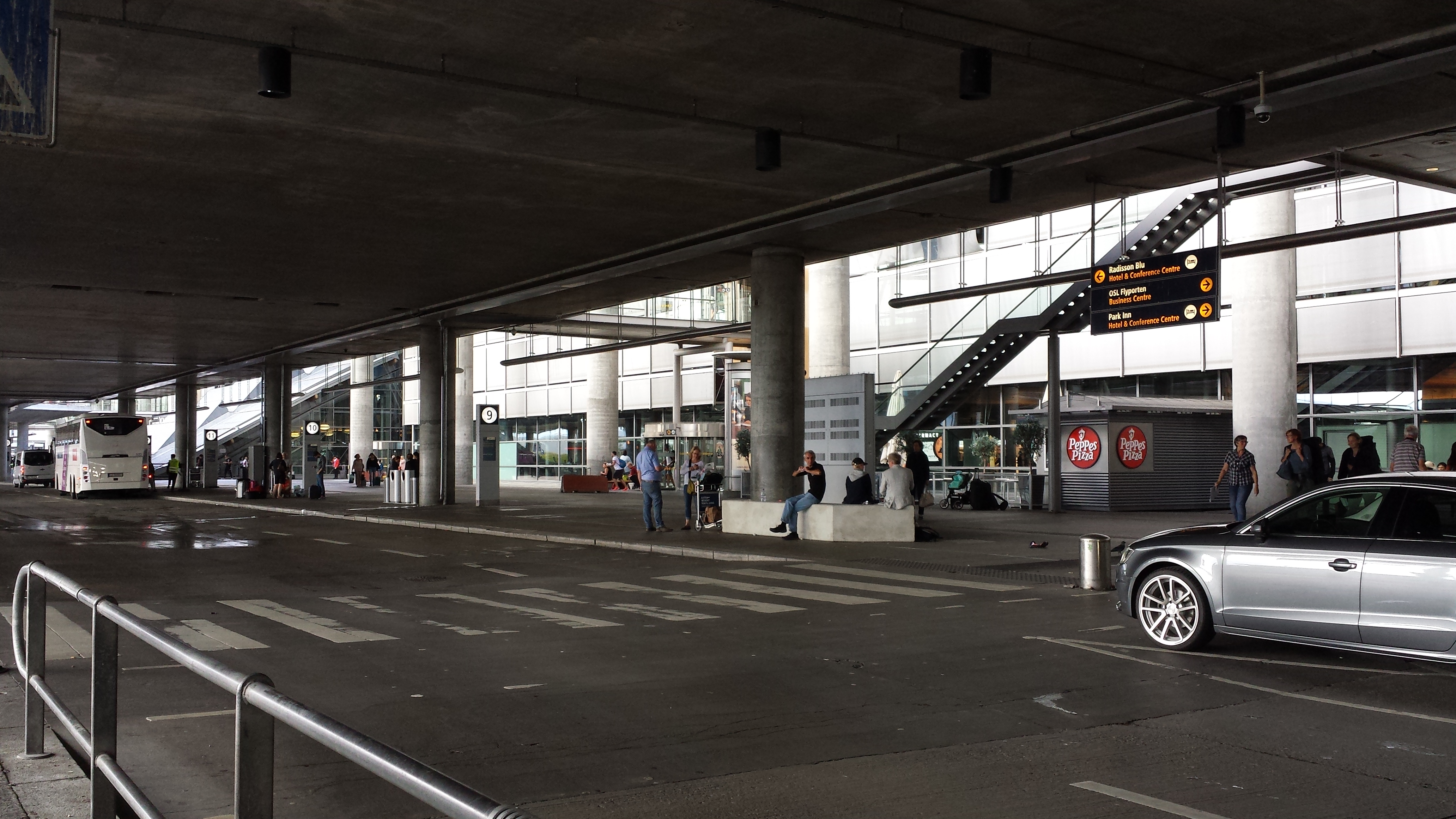
Avinor Oslo Lufthavn

AIRLINE:

We took Scandinavian Airlines from Iceland to Norway and the service was great. SAS offers budget flights to Europe and elsewhere. If you have an expedia account, you can earn points to save more.

NATURE, LANDSCAPE AND DESIGN:

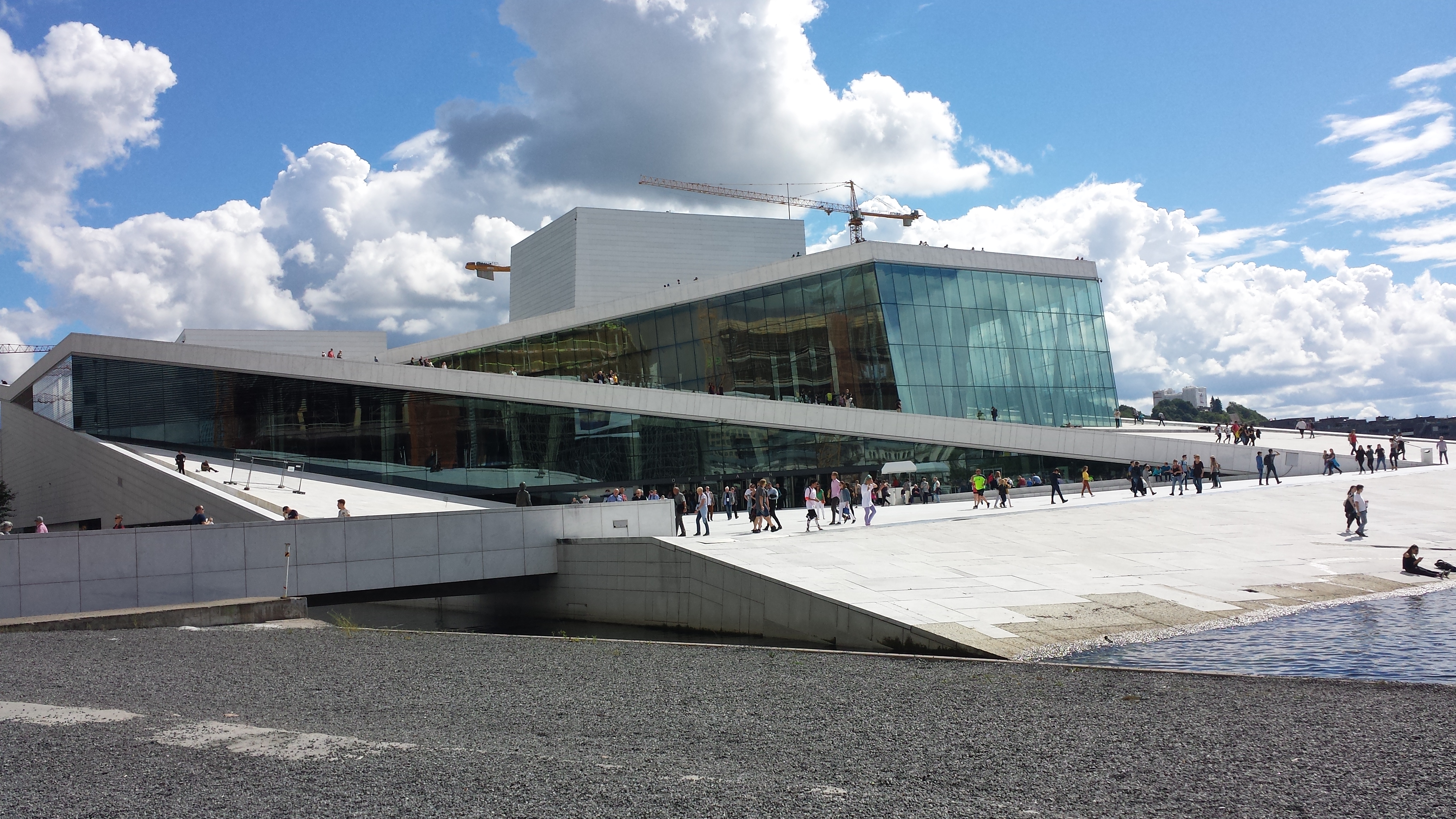
Oslo itself is a very well-built city. Old structures are preserved beautifully and creative design elements are employed to make the best use of various spaces. I was very impressed with their innovative design in structures like the Opera House or the solar charging stations outside of Oslo Central Station, as well as their functional shower stalls to optimize bathroom space.

GEOGRAPHY & WEATHER:

Oslo is located in the south of Norway right on the North Sea. It sits close to Sweden and Denmark. It was cold and rainy for a big portion of our stay, although the sun did come out and make for enjoyable weather at some points. Pack that raincoat for sure and an umbrella if you have the room.

Wi-Fi:

Unlike Iceland, Norway does not have Wi-Fi everywhere you go, although train stations and the airport do.

BUDGET:

At the time of this post 1 Canadian Dollar (CAD) is equal to 6.26 Norwegian Krone (NOK).

Transportation:

A ticket for 93 NOK (14.85 CAD) will get you a train ride into Oslo’s city centre (Oslo Central Station) and connecting metro stations. You have 2.5 hours to complete your travel before your ticket expores. You will need to buy this depending on where you are going.

An Oslo city pass for 24 hours is 395 NOK (63.10 CAD). Visit Oslo provides details on additional day pass pricing and discounts. Most museums in Oslo are free with this city pass, and some boat cruises to the Fjords are discounted. This option we found would be stressful when it came to getting our money’s worth because 395 NOK is quite a steep price even by Norwegian standards.

We decided to purchase 24-hour transit passes instead and this allowed us flexibility to see what we wanted on a budget. A 24-hour transit pass for one person was 90 NOK (14.35 CAD) and this allows you passage on trams (blue line), buses (red line), the T-bane (subway and orange line) and ferries to the islands.

Oslo Central Station:

If you have luggage with you, Oslo Central Station has luggage lockers where you can leave your belongings for 24 hours. We paid 70 NOK (11.20 CAD) for a locker that held all our stuff but if you have bigger luggage, the largest lockers go for 80 NOK (12.75 CAD) a piece. Much like the lockers in Reykjavik, these can only be opened with a pin code once after you lock them, so make sure to take whatever you need with you.

A word about getting around in Oslo, download the Visit Oslo app on your phone. This app works offline and shows you details about all the major attractions in Oslo. It has information on restaurants, suggestions for activities depending on the weather, and is a lifesaver when you need to find your way around Oslo. You should also get a copy of the Oslo City Guide which has information on all the attractions (including hours of operation).

Beware of pickpocketers at the Oslo Central Station and make sure you have NOK currency with you because the washrooms cannot be used for free.

The set-up of the transit system is a tad confusing at first but can be figured out the more you travel around the city.

Accommodation:

Again, we procured our accommodations through AirBnB. Most AirBnBs that are reasonable are in the suburbs and this allows you to get to know the culture outside of the main city. AirBnBs also offer creature comforts (Wi-Fi) and a homey experience, as well as the opportunity to save big with a kitchen where you can cook your own meals. Prices vary and your budget will determine what you decide to book. I will say that our hosts in both Iceland and Norway were wonderful, absolutely generous and accommodating. You don’t have to, but we carried little jars of Maple Syrup as a thank-you.

Food:

Some meal options that you can find at grocery stores like Bunnpris and Kiwi include the following:

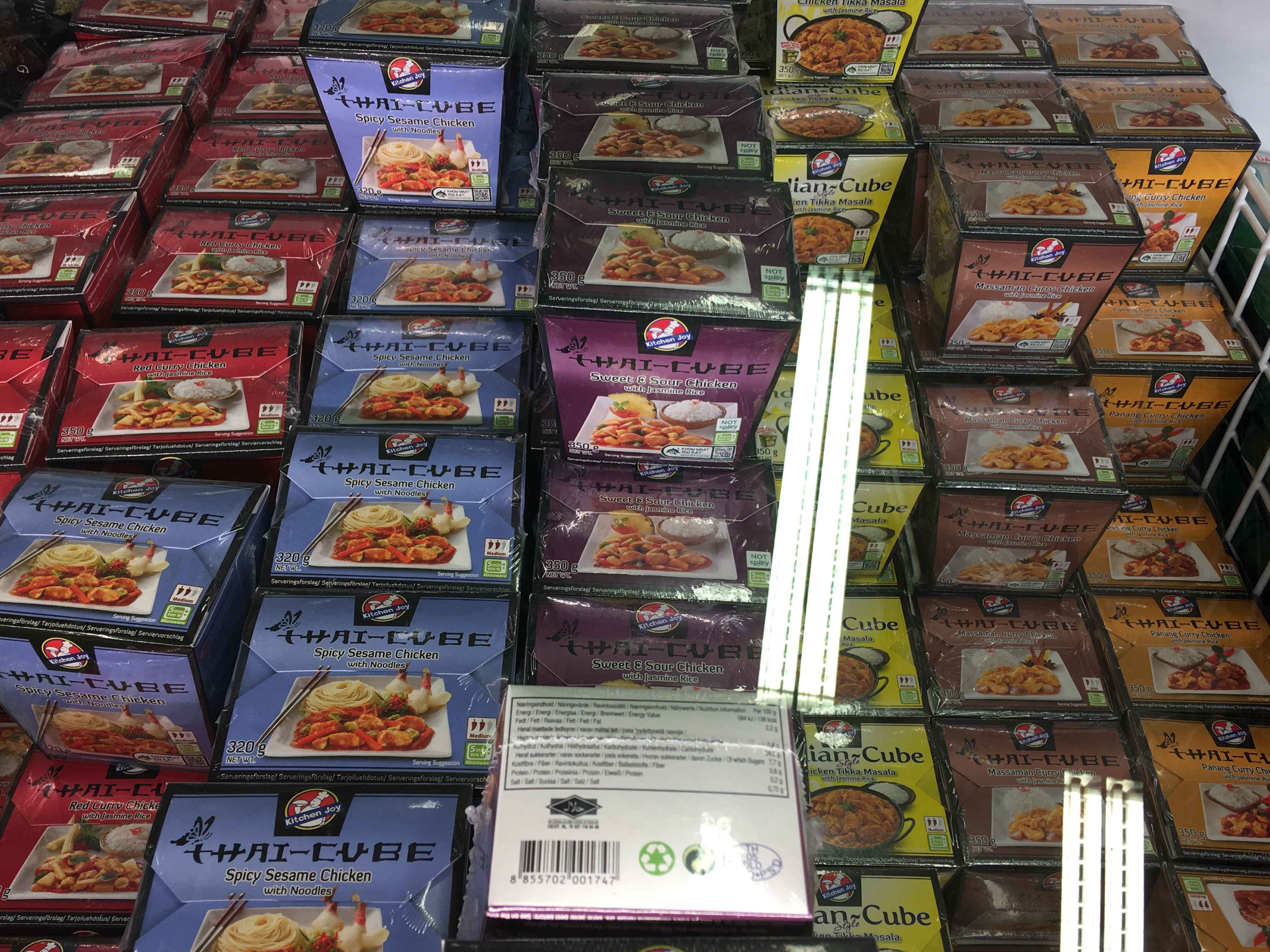
Frozen Tikka Masala Chicken with rice at 55.50 NOK (8.85 CAD) and ready in 10 minutes!
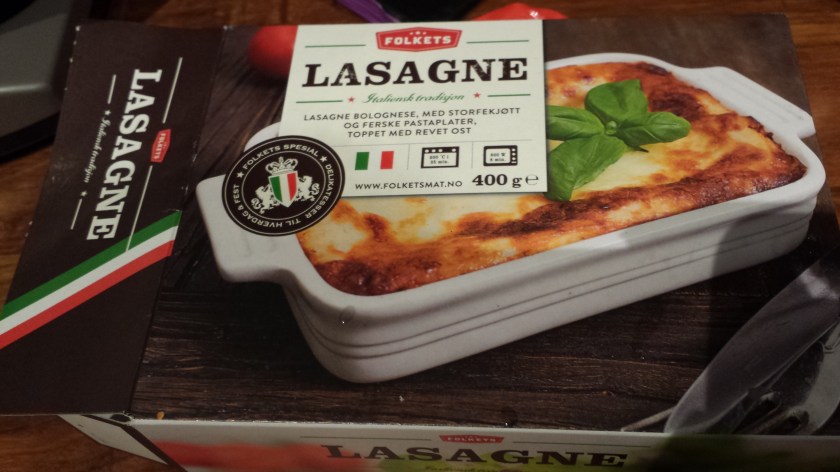
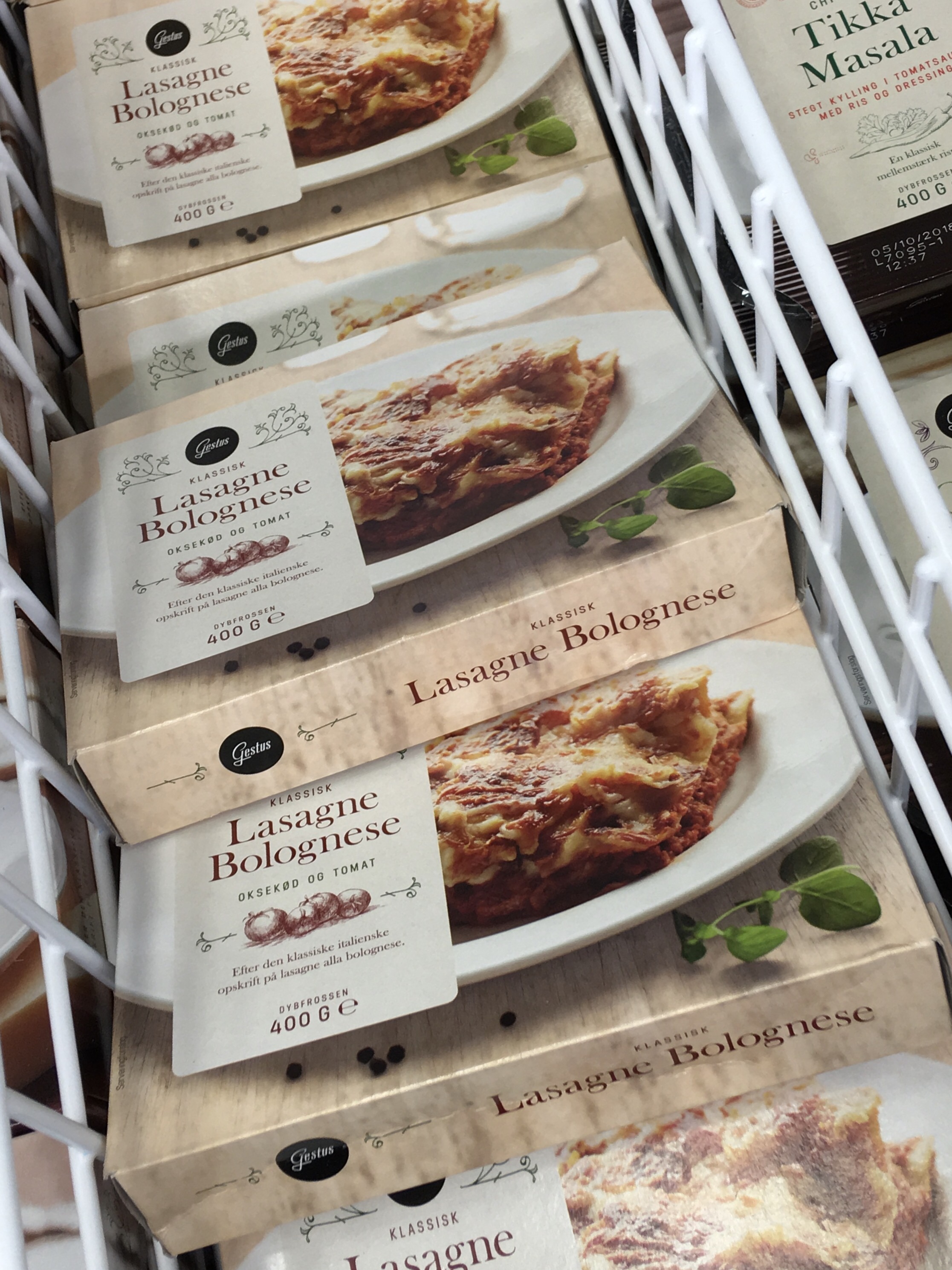
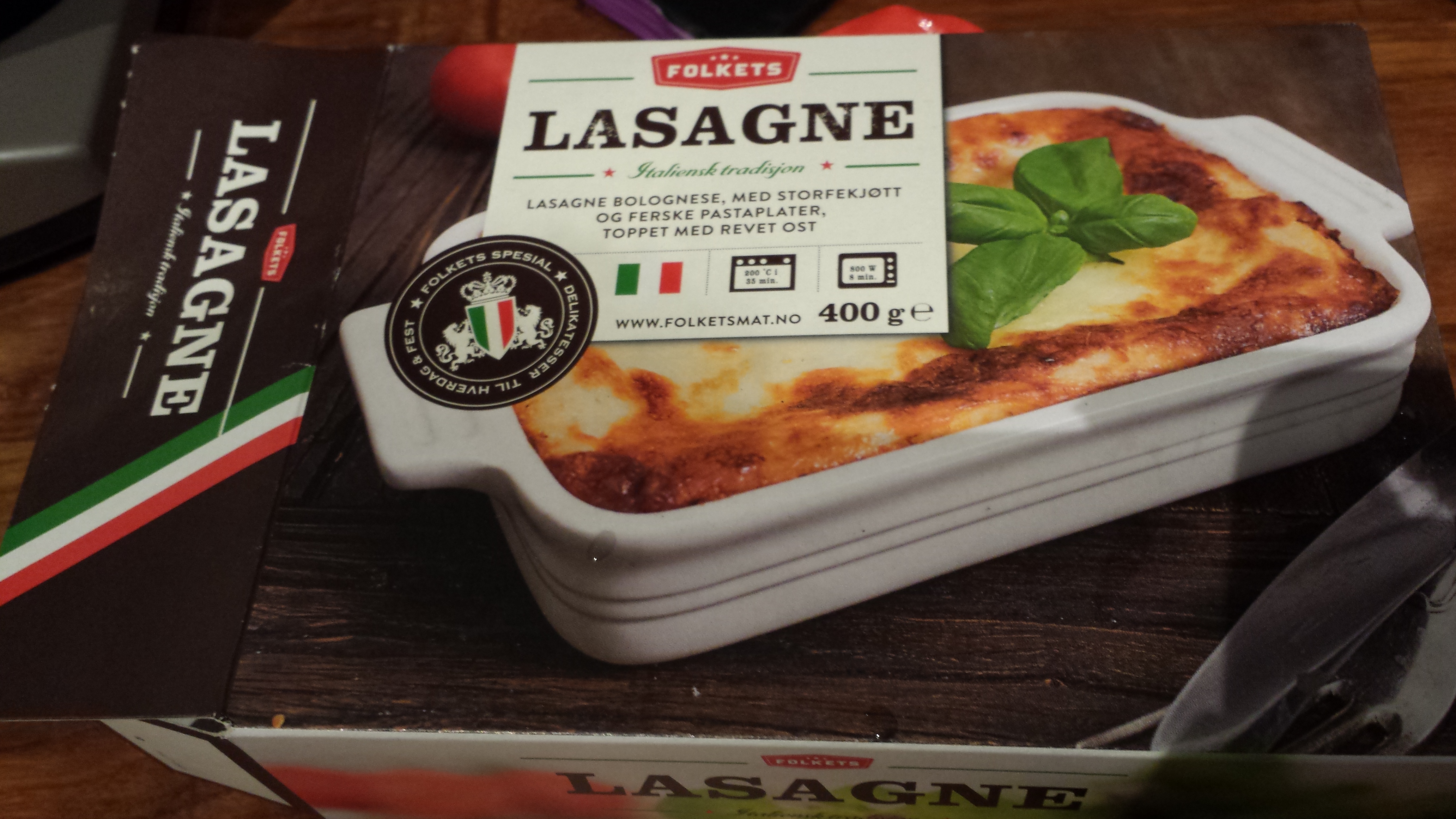
Frozen Lasagna, 400g for 30.90 NOK (4.95 CAD)
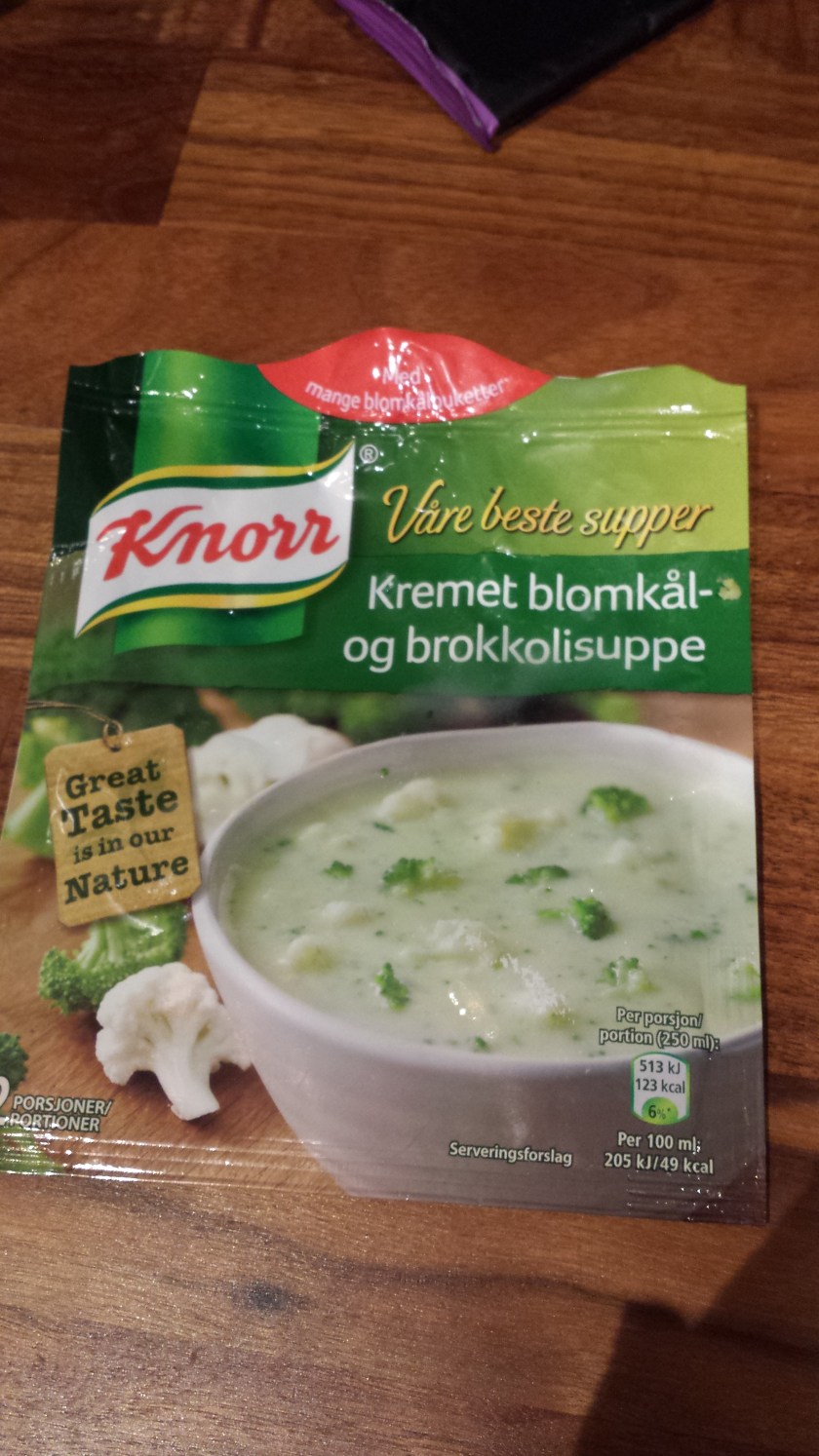
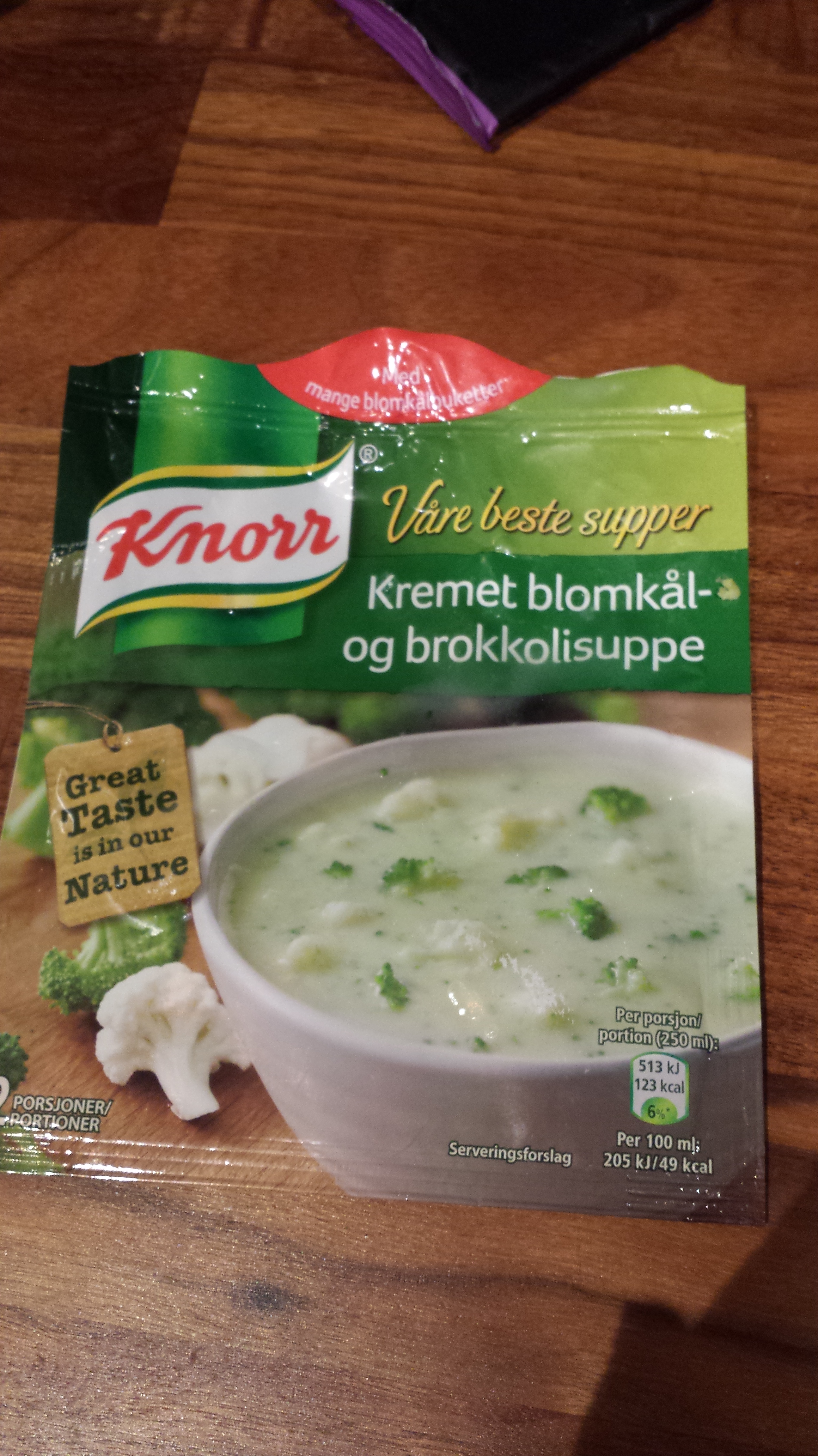
Broccoli Soup packet for 17.90 NOK (2.85 CAD)
Preserved chick peas for 8.50 NOK (1.35 CAD), a great addition to a salad

With a few of these well-priced items, we fed a family of 5 a nutritious meal for about 241.90 NOK (38.50 CAD). That’s about 7.70 CAD/person! And if you’re a single person or a couple, you can save even more.

Our 7.70 CAD dinner at our AirBnB in Lambertseter, Norway

Bunnpris and Kiwi are good and convenient store options, although Kiwi is slightly better-priced. Here are some prices of the essentials:

Milk, 1 L: 14 NOK at Kiwi (2.25 CAD)

Bread, different types: 6 – 30 NOK (0.95 – 4.80 CAD)

Eggs, pack of 6: 16 NOK at Bunnpris (2.55 CAD)

Yoghurt, pack of 4: 16.50 NOK (2.65 CAD)

Kaviar spread, 190 g, First Price brand: 8.90 NOK (1.40 CAD)

Baby Spinach, 100g: 18.90 NOK (3.0 CAD)

Orange juice, 1L: 24 NOK (1.80 CAD)

1 big cucumber: 18.90 NOK (1.40 CAD)

Miscellaneous:

Postcards: 8 – 12 NOK (1.25 – 1.90 CAD)

One international stamp: 23 NOK (3.60 CAD)

Stores & Services:

Vitusapotek is one of the pharmacy stores in Oslo

Ruter is Oslo’s transit service

Stockfleths is a coffee shop in Norway that makes great Hot Chocolate!

Narvesen is a convenience store available in a lot of train stations and elsewhere in the city. And if you like to choose from a line-up of ice-creams, Narvesen has got you covered!

DNB is Norway’s biggest financial institution.

Posten is Norway’s postal service with red post boxes at major stations, including Oslo Central.

Bunnpris and Kiwi are two well-priced supermarkets with Kiwi being the less expensive of the two.

Vinmonopolet is Norway’s alcohol store.
Pleasebe advised that a lot of stores, services and attractions are closed on Sundays, so plan ahead.
Things to do in Oslo:

Oslo is a wonderfully-entertaining city and as such there is much to do here. The following are just a few of the many things you should get around to:

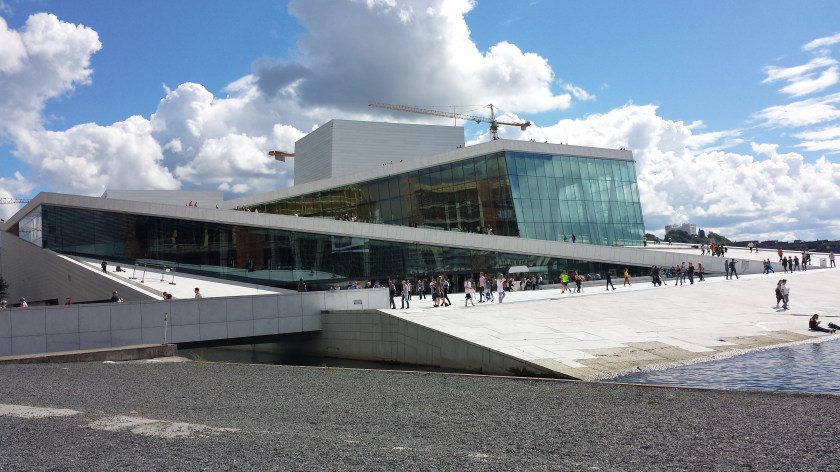
The Opera House is a must-visit for its stunning views and genius architectural design.

The ‘Barcode’ that is a set of buildings you can see from the Opera House is quite a view!

If you’re an art geek, you should absolutely set foot in the Munch Museum!

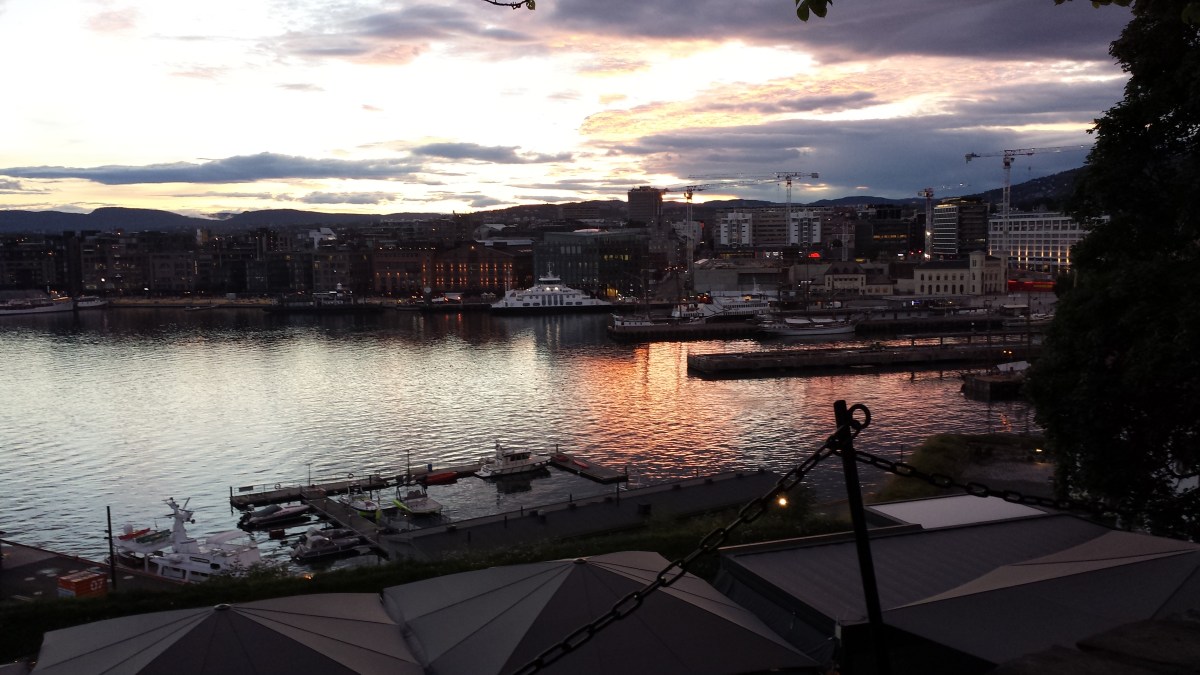
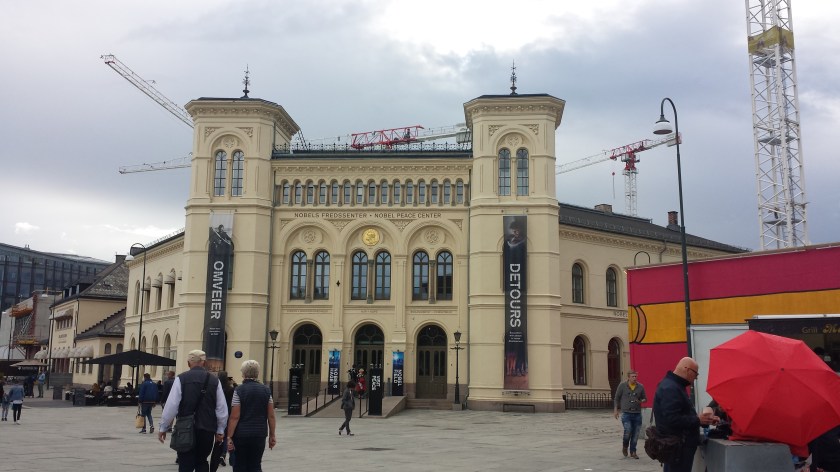
The Nobel Peace Centre is a a great visit with its peace exhibitions and display of all the Nobel Peace Laureates since 1901. For 100 NOK (15.95) you can get an individual ticket to tour the centre, or 180 NOK (28.75 CAD) gets you a pass for the entire family. The centre has the added bonus of being on the harbour and an Oslo sunset on the harbour in the summer is simply heavenly! If you have the chance, take a couple of Ferry rides from the harbour with your 24-hour transit pass.

The Royal Palace is worth a walk to, and makes for a beautiful view if you stand on the steps and look down to the street below.

The Sculpture Park in Majorstuen is massive and impressive. It has acres of beautifully-manicured lawns with gorgeous flower beds and then hundreds of intricately carved and detailed statues of naked people. Even if you’re not into naked people, you will want to see this park! I was intrigued with the craftsmanship! You can take the blue trams 12 or 19 to get to the park.

Karl Johans gate, right outside of the Central Station is Olso’s main street and a beautiful street to walk and shop through, much like Grafton Street in Dublin, Ireland.

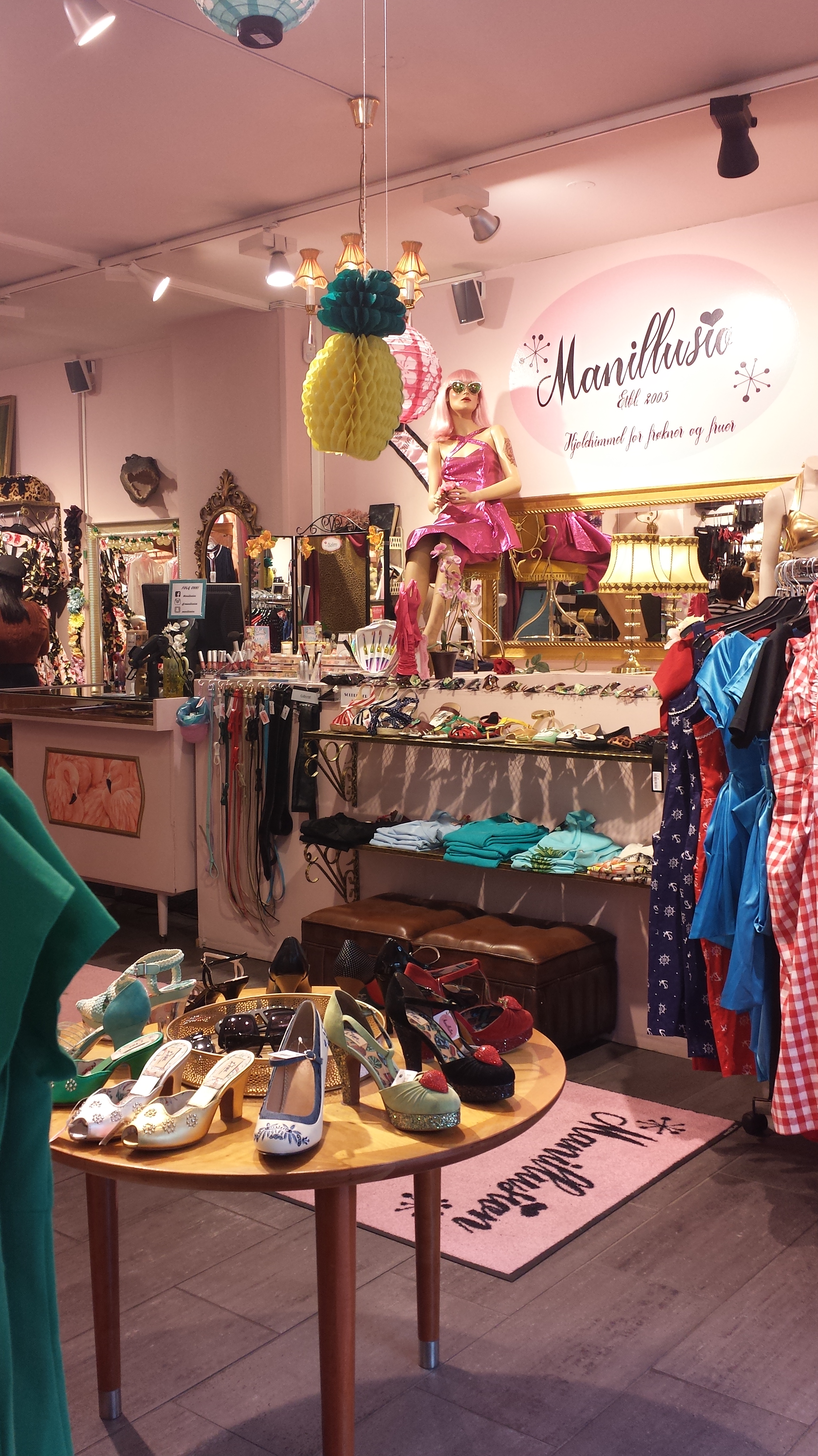
Lastly, Grunerlokka is a must-visit! From Oslo Central Station you can catch trams 12 and 13 or Bus 30 and get off at Schous Plass. Once you do walk over to Markveien and stroll up and down this street. If you’re into hip bars and restaurants and quaint stores with a vintage touch, this will be at least an entire day of exploring Grunerlokka.

The ‘Barcode’, Oslo
The Opera House, Oslo

Shopping in Grunerlokka

The Sculpture Park in Majorstuen, Oslo
The Nobel Peace Centre, Oslo

The Royal Residence in Oslo

Restaurants:

I have two suggestions passed on to us by our AirBnB host: Rice Bowl in Youngs gata (and an additional location in Grunerlokka on Sonders gata called Rice Bolle) and Bari Pizza and Grill on Torgata. Rice Bowl serves up delicious Thai food in ample quantity at great prices! Bari Pizza and Grill serves up beautiful platters of Middle Eastern food for really good prices! If you want to try good food but don’t want to spend an arm and a leg (things in Norway are still expensive, even if not as pricey as Iceland), these are your places to go.

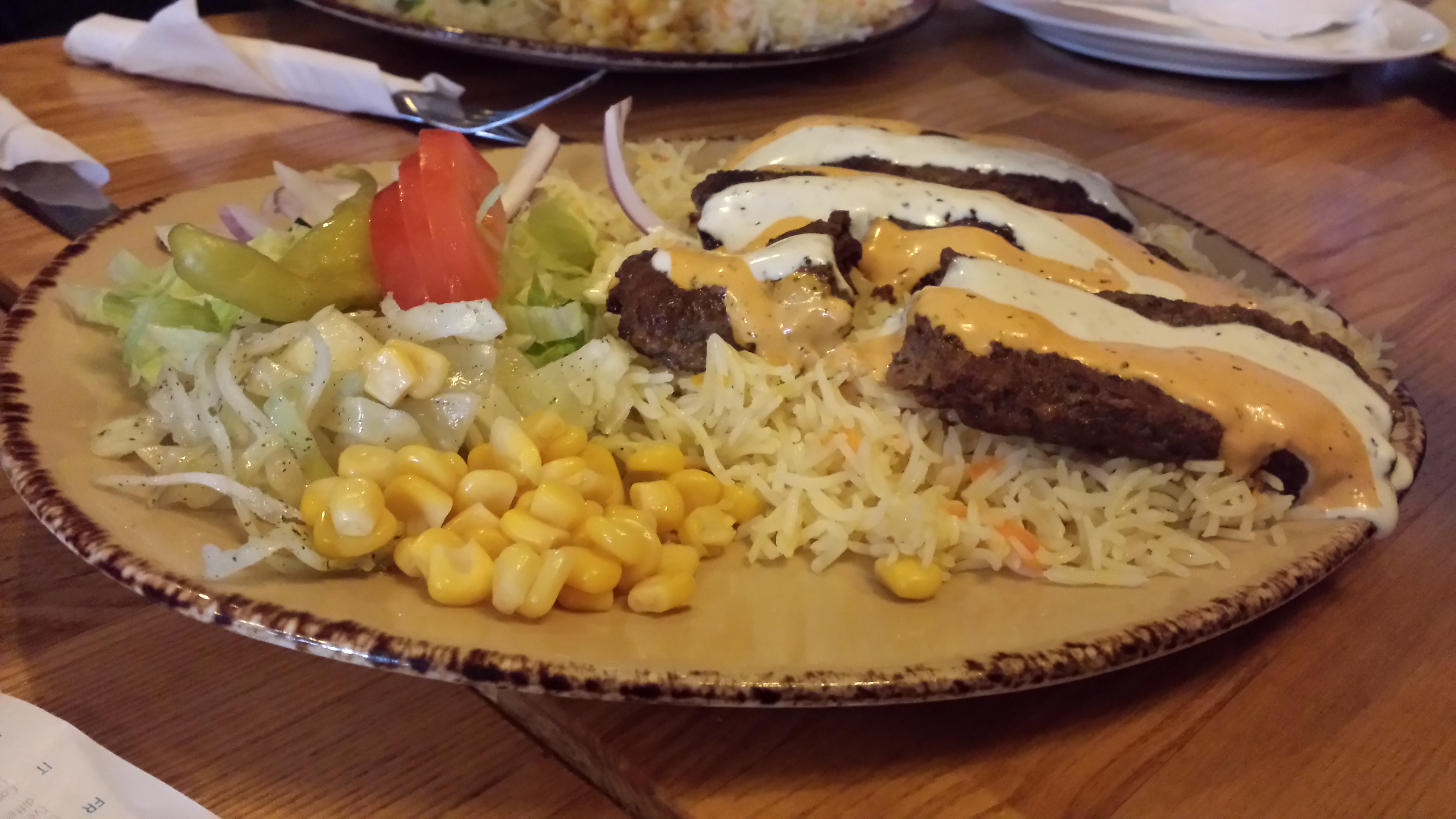
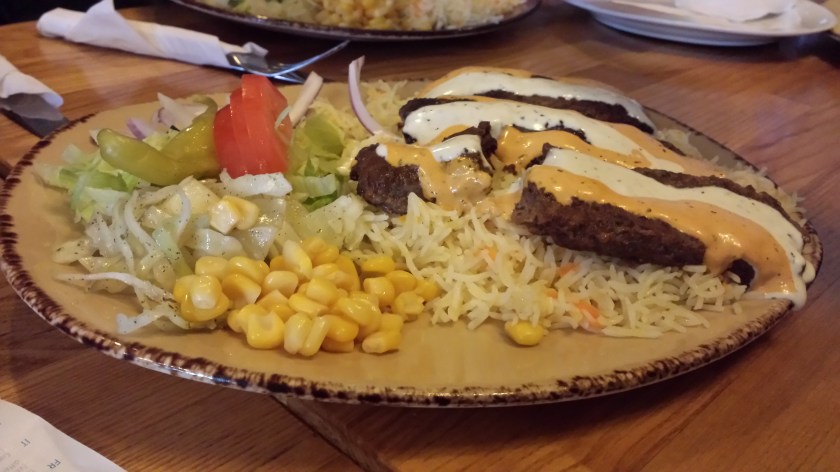
The Kofte Dinner at Bari Pizza and Grill for 115 NOK (18.20 CAD)
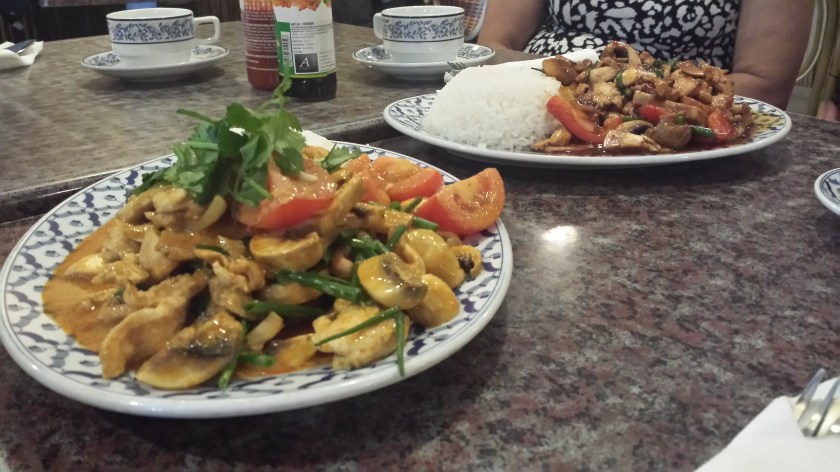
A yellow and a red chicken curry at Rice Bowl. Prices between 140 and 155 NOK (22.20 – 24.55 CAD)

Oslo is definitely worth the visit and if you are creative, you can save while having fun. Make sure to have some change on hand because most public washrooms require payment. You may use restaurant washrooms but they have codes either provided by staff or on your bill. If you do end up visiting Oslo and you read this before you go, please let me know how this post may ot may not have helped you plan your trip. Happy travels!
©booksnnooks.org All Rights Reserved

The Nordic Traveller’s Budget Guide: Iceland 

Summer school is neatly wrapped up in a bow, parent-teacher interviews have been successfully conquered and now I am at the start of a much-anticipated jaunt through the Nordic countries. Having taught in Finland years ago, this trip is made all the more sweet because of a 2-week homecoming in a little town off the West coast of the same. First though, let’s talk Iceland.

Before I begin, I am going to share a few general traveling tips:

First, something every experienced traveller has discovered: packing light. I packed a backpack complete with carry-on luggage restrictions and a small handbag. This has proven to be more than sufficient for my needs. It decreased travel time (no baggage claim) and moving around is so much easier!

Next, bring along an empty reusable water bottle. Unless you know that the country you are traveling to has unsafe water conditions, you can refill your bottle with tap water and at drinking fountains. If you have access to a kettle or a pot and stove, boil your water, cool it and refill. This saves money and means you don’t have to worry about where your next drink of water will come from.

AIRLINE:

Budget airlines are your best bet and baby airline (5 years new), Wow Air is a great no-frills option. You can get a reasonably-priced ticket (pricing varies according to season) with one carry-on item included in the price.

NATURE AND LANDSCAPE:

Iceland is stunning. This is one of those countries that puts into perspective your place in the world relative to the natural beauty of the earth. The succulent green of the hillside, the demure streams, the powerful waterfalls, the stunning craters with pools of blue-green water, the lava fields grown mossy and inviting over several years, the fresh pure air; Iceland has that forceful power that drags you in and makes you feel at ease. It forces you to look at the bigger picture, to breathe in deeper, to linger longer and walk further, to just be. This country, even if you stay for a short while, will leave you breathless.

GEOGRAPHY AND WEATHER:

Sitting right above Ireland and the United Kingdom, Iceland is 4 hours ahead of the Eastern time zone in North America. It is also (and I discovered this on a stroll through a souvenir store), the north most capital in the world (latitude-wise). Pretty cool tidbit, eh?

They have a running joke here in Iceland, “Waiting for Summer since 1926.” The temperature when we arrived at 6 a.m. in the middle of the week was 8 degrees Celsius, and did not change much throughout the day. So, pack warm; hoodies, sweat pants, a windbreaker/waterproof jacket and umbrella will be your friends. If you don’t like getting cold, I would suggest a toque and mittens as well, but if you’re Canadian, you’ll probably bust out the t-shirt and sandals and try your luck! 🙂

Wi-Fi:

One of the things I love about Iceland is the fact that they have free Wi-Fi almost everywhere (hotels, airbnbs, tour buses). There is no need to purchase a data plan because as long as you have a messaging app that requires Wi-Fi (like Whatsapp), you can connect for free.
BUDGET:

With a population of 330, 000, 240, 000 of whom live in the greater Reykjavik area, Icelanders rely heavily on toursim to support their economy. So, it comes as no surprise that everything in Iceland is pricey. They have no major industries (most of their land comprises lava fields and therefore is infertile, and as for natural resources, with the exception of Carbon Dioxide, they have none) that support them and almost everything is imported, so they aren’t trying to rip you off on purpose! They have no choice. Living in North America and griping about the rising cost of living, I forget that there are countries like Iceland where the mere thought of opening up one’s wallet can cause massive anxiety. No need to panic though! The following are a range of prices at different places in Iceland compiled to give you a sense of what things cost and how you can stay on budget. Iceland deals in Icelandic Kronas (ISK), and being a Canadian, my price comparisons will all be in Canadian Dollars (CAD). At the time of this blog post 1 CAD = 83 ISK (approx.).

Transportation:

Fly bus admission for one adult one way: 2, 500 ISK (30 CAD), return: 4, 500 ISK (54 CAD). The Fly bus as well as Grayline, offer rides to the main bus station in Reykjavik (BSI) from Keflavik International Airport.

Taxi for 5 people for a 10-minute ride: 5, 010 ISK (60. 40 CAD)

Car rental for 5 people for 1 day with basic insurance: 15, 000 ISK – 20, 000 ISK (180 CAD – 240 CAD)

Straeto bus services offer bus routes that connect most of the outskirts of Reykjavik. You can also download their app for bus schedules and a journey planner at your fingertips. As well, the app allows you to buy tickets if you can’t find them in town or you don’t have Icelandic Krona on hand. You can just show these to your driver and be on your merry way! One bus ticket for an adult is 440 ISK (5.30 CAD). Simply purchase the required quantity of tickets and when you are ready to travel, hit “Activate”on the app. Once activated, you have 60 minutes to complete your journey. It would be worthwhile to download the app at the Keflavik airport as you can then see if there are Straeto bus routes from the airport to your destination. This would definitely save you money if it is an option.
Accommodation:

For this I will only say, shop around for AirBnB options. These are well-equipped with bathroom and kitchen essentials, helping with your food budget since you can cook your own meals. While you do run the slight risk of having the host cancel on you closer to your stay, you will definitely save big. With a lot of better-priced AirBnB options in the suburbs, you might have to commute to the city centre and other amenities; do your research on this to determine how far is too far for you. There are also guesthouses that are similar in concept to Airbnbs. I haven’t looked into these myself, but check online for these as well when doing your research for your accommodations.

Food:

Bottled water at Keflavik International Airport: 199 ISK (2.40 CAD)

Small coffee at Keflavik International Airport: 299 ISK (3.60 CAD)

Yogurt cup at main bus station, BSI: 349 ISK (4.20 CAD)

Pre-made single sandwich pack at main bus station, BSI: 949 ISK (11 CAD)

Granola and yogurt cup at N1 gas station: 239 ISK (2.90 CAD)

Small coffee at N1 gas station with upto 5 refills: 295 ISK (3.55 CAD)

Bag of Lays chips (175 g): 495 ISK (5.95 CAD)

If you can wait to buy packaged and convenient food items and other necessities, Bonus and Kronan grocery stores both offer great alternatives to procuring your essentials on a budget. These stores have a great variety of products including International foods. Below is a quick list of items to get you through a couple of days, including an entire 3-course dinner.

Bonus grocery store pickings:

Small thin crust frozen Ristorante pizza: 395 ISK (4.75 CAD)

Pack of frozen fish cakes, 0.858 kg (enough to feed 5 people for one meal): 698 ISK (8.40 CAD)

Big cucumber: 169 ISK (2.0 CAD)

Bunch of Romaine lettuce: 285 ISK (3.40 CAD)

Bottled water (12pk): 828 ISK (10 CAD)

White bread (500g): 159 ISK (1.90 CAD)

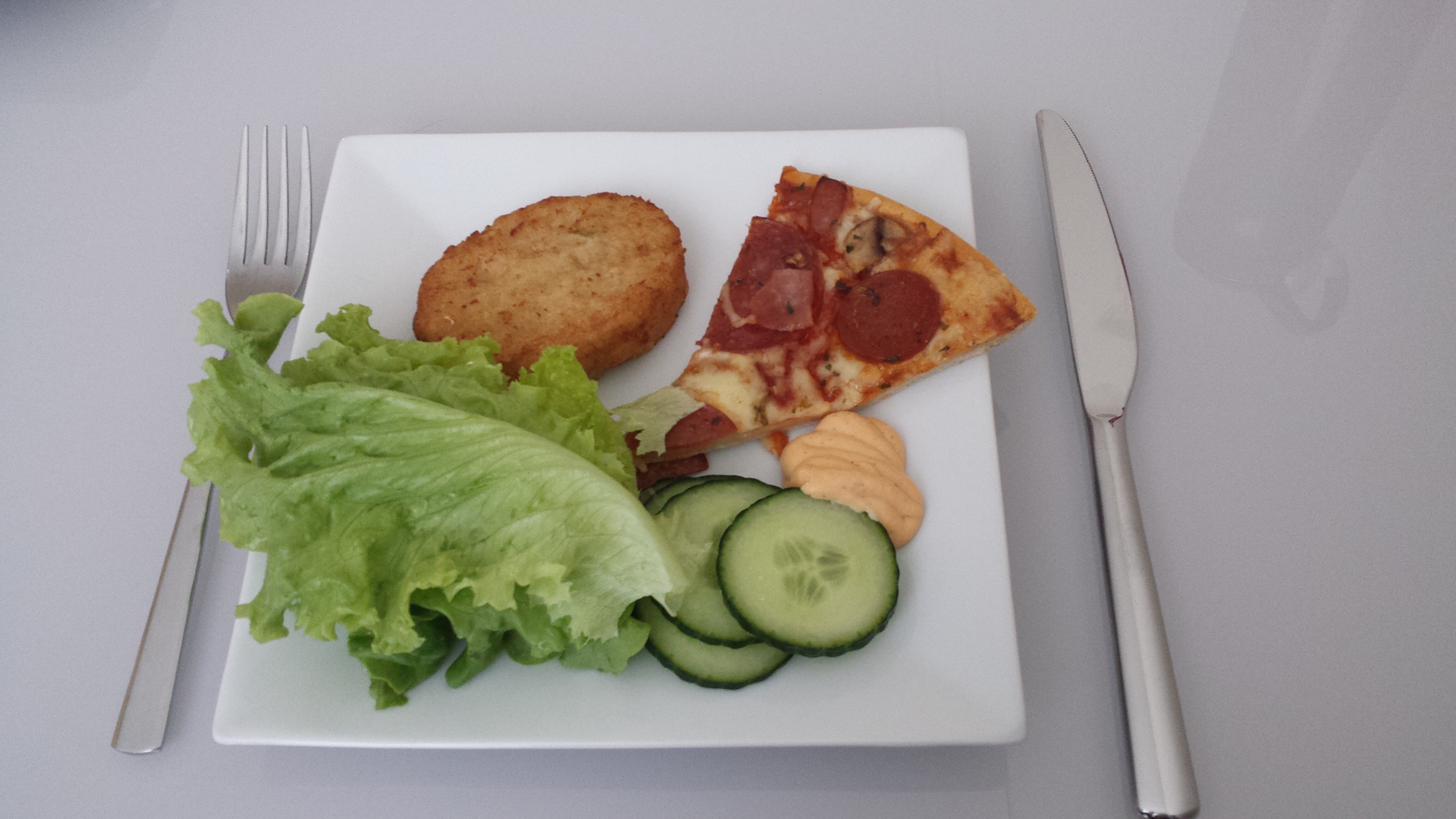
We paired the pizza with the fish cakes and preceded it with a salad of cucumber and lettuce. This was enough to satiate a family of 5, so purchase according to your party’s needs.

Bonus dinner on a budget. Frozen pizza, frozen fish cakes and salad.

Another grocery store worth trying, which offers a bigger selection and better pricing than Bonus, is Kronan supermarket.

Kronan grocery store pickings:

Beef-flavoured instant noodles: 39 ISK (0.47 CAD)

Spring mix salad, 100g: 258 ISK (3.10 CAD)

Milk, 1 L: 135 ISK (1.60 CAD)

Instant cup porridge with fruit: 89 ISK (1.10 CAD)

Frozen Snitzel, 10 pk: 1, 399 ISK (16.85 CAD)

Frozen sweet potato fries, 450g: 359 ISK (4.30 CAD)

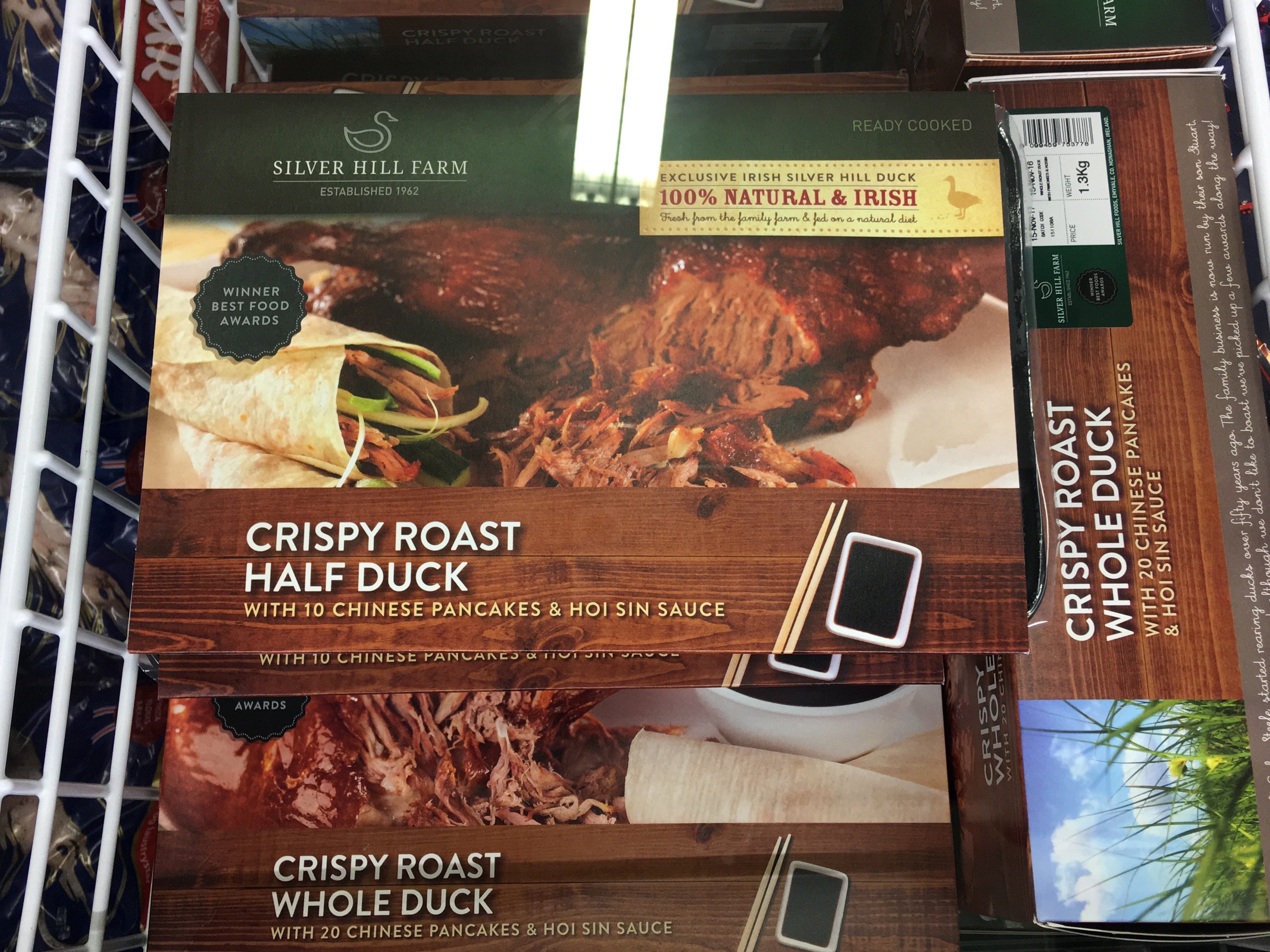
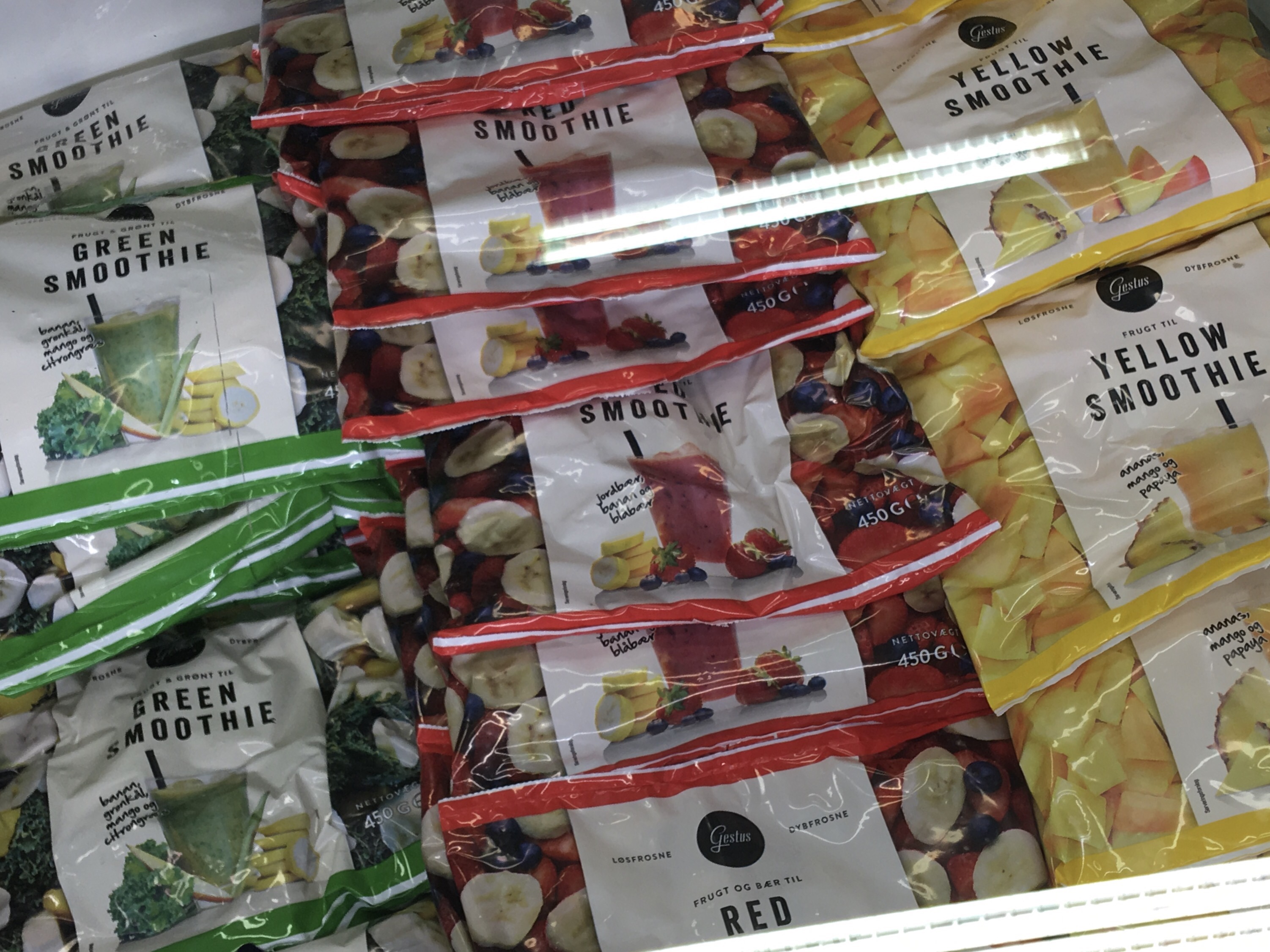
Here are some super cool convenience food items I spied at the Kronan in the area:

Restaurants:
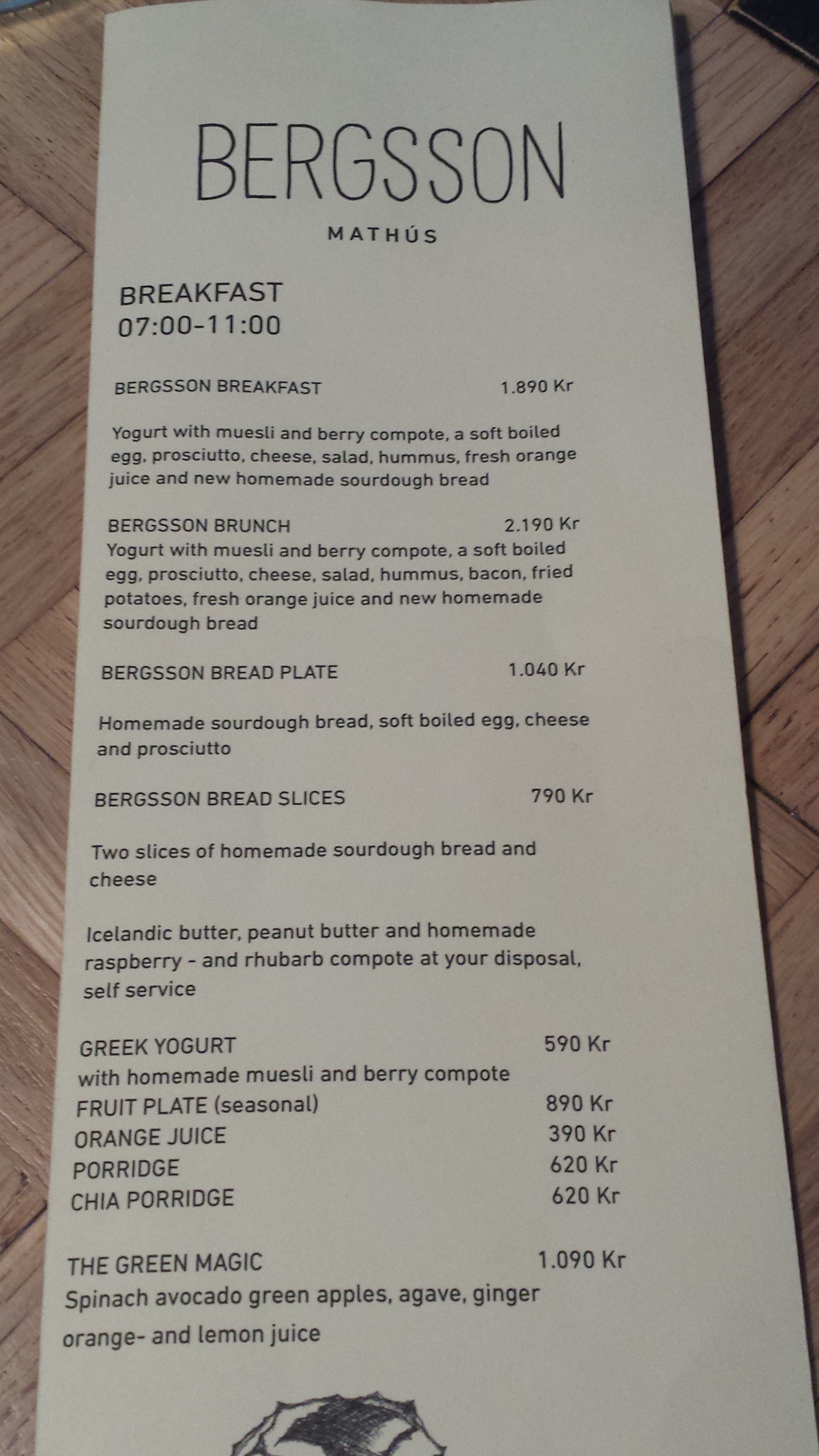
Breakfast for 5 people (bread, cheese, prosciutto, soft-boiled egg and hot beverage): 7, 180 ISK (86 CAD)

This breakfast was had at Bergsson Mathus (about a 15-minute walk from the main bus station, BSI), where the staff were very hospitable and helpful.

Bergsson Mathus Menu

Stores and Services:

Kronan: grocery store with a wide variety of reasonably-priced products

Bonus: also a grocery store but slightly more pricey than Kronan

Lyfja is one of Iceland’s main pharmacy chains
Vinbudin: Iceland’s liquor store

Landsbankkin: Iceland’s major financial institution

Straeto: bus service in Iceland

N1: popular gas station, usually comprising a Subway, Pizzeria and Nesti convenience store

Posturinn: the postal service of Iceland with red boxes at most major bus stations and the airport, for quick drop-off of stamped mail

**Sidenote: Iceland recently opened its first Costco Wholesale and there is an IKEA off the highway!

Miscellaneous:

Postcards: 95 to 120 ISK (1.15 – 1.45 CAD)

International stamps (to Canada and the U.S.A.): 285 ISK (3.40 CAD)

Souvenirs: 300 ISK + (3.60 CAD +)

Things to do:

Everyone talks about the Blue Lagoon, and if this is on your list, do it. However, the biggest bang for your buck would be the Golden Circle with Secret Lagoon package offered by Arctic Adventures. If you have more time in Iceland, Arctic Adventures offers a variety of tours.

Blue Lagoon with pickup and drop-off from/to main bus station (BSI): 10, 600 ISK/adult (127 CAD)

Golden Circle + Secret Lagoon Pkg with pick-up and drop-off from/to several major sites: 11, 990 ISK/adult (144 CAD)

With the Golden Circle package you choose a location that you want to be picked up from, and the time you prefer for the pick-up from the drop-down list online. A word about these bookings (including Blue Lagoon), they need to be done online and ahead of time. Once you pay for the package, you just appear at the pick-up location for your chosen time and a guide in a bus will come get you. We had Scott as our driver and tour guide, and as a former geologist, he had a wealth of knowledge about Iceland’s geology. Trust me when I say that all the things I learned were incredible. In no way did this tour drag on. With visits to the Pingvellir National Park, the Geysir, Gullfoss (Iceland’s most famous waterfall and an impressively stunning one at that), the crater Kerid, Faxafoss (another beautiful waterfall with a clever salmon slide to help salmon swim upstream) and a final resting stop at the Secret Lagoon, this is a tour that is well worth your money. It takes 9 hours, so plan to spend an entire day on this one. Also, pack a towel and bathing suit for the Secret Lagoon as renting a single towel will cost you 500 ISK ( 6.02 CAD).

Did you know that Icelandic farmers allow their sheep to wander freely everywhere all summer, and then in early September farmers, friends and locals get together to round the sheep up into the barn for the winter? Talk about respect for animal life and community! Or maybe that a lot of Icelanders believe in elves and since elves are said to reside in rocks, disturbing rocks (even for construction purposes) is a no-no? Or that 99% of Iceland’s power is renewable energy? Yes, all this and more was learned on the tour. As a teacher, this left me on a high (Yes, I took notes!)!

Gullfoss (Golden Waterfall), largest waterfall in Iceland

Geysir in Iceland with water temperatures between 80 and 100 degree Celsius

If you have an entire day, definitely do the package tour mentioned above. If you can spend more time in this beautful country, whale watching, walking in the Reykjavik city centre, relaxing in parks (their parks are beautiful, clean and so well laid out), biking through Reykjavik, hiking through Iceland’s natural landscape and visiting the Old Harbour are other things you can do. Iceland’s major mountain (really a hill) can be hiked in about 80 minutes if nature gives you a buzz!

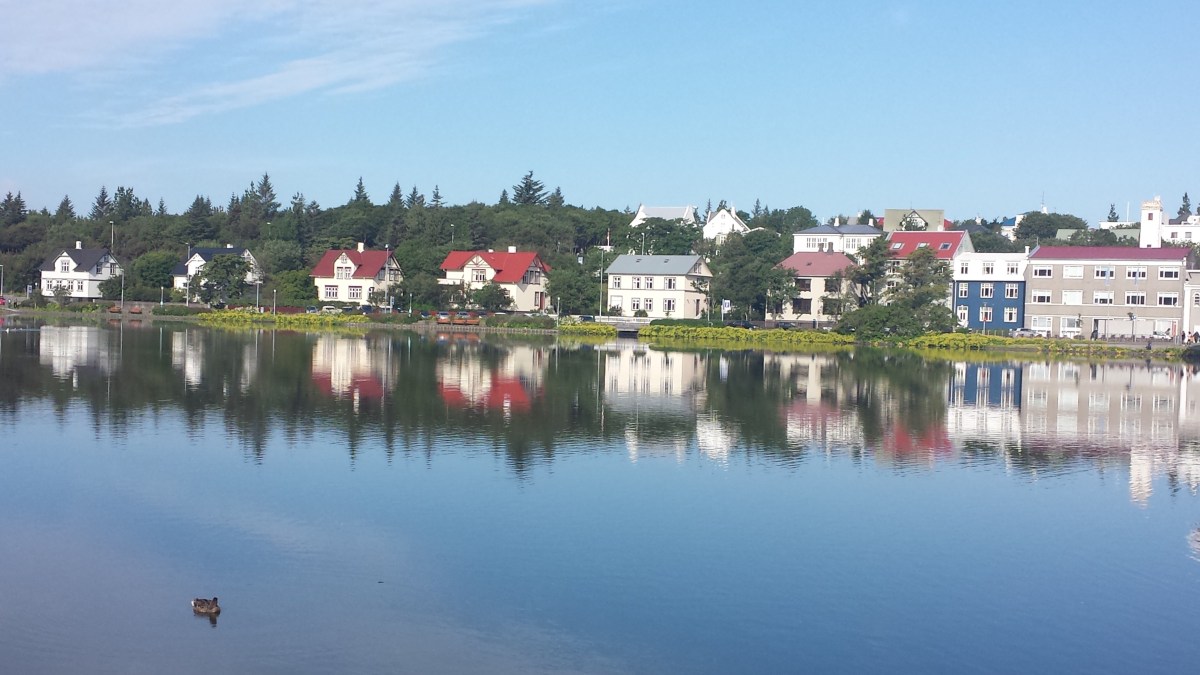
Old Harbour, Reykjavik

Reykjavik City Centre

Reykjavik City Centre

So yes, Iceland is expensive, but there are different ways to stay on budget and Iceland is not just worth the visit, it is a must-experience. I say this emphatically. ICELAND IS A MUST-EXPERIENCE. I arrived worried about spending too much money, but left with an awe for this Nordic country’s natural beauty, inspiration from its innovative design, self-reliance and energy initiatives, but mostly a deeper respect for nature as learned from the wondeful Icelanders. If Iceland is not on your bucket list, you best put it on now!

©booksnnooks.org All Rights Reserved
TED Talks: A Great Resource for Teachers

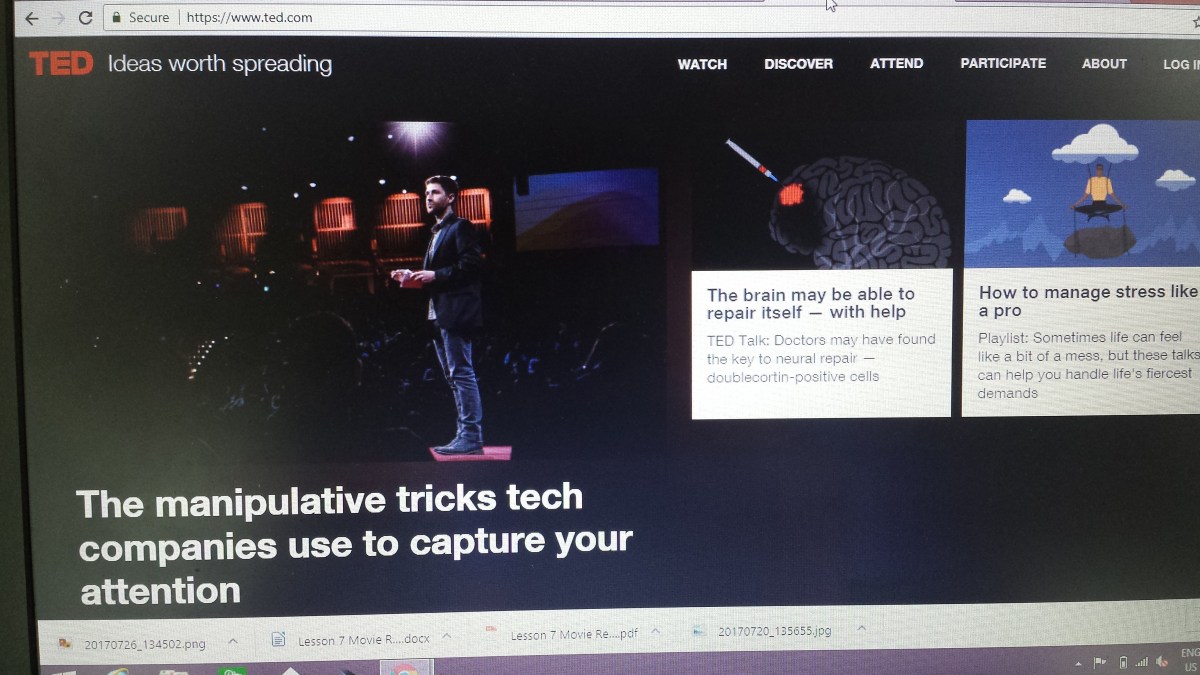
I have watched videos on TED Talks myself and it is a GREAT place to learn new things. However, only recently did I discover its nearly-unrivaled value in the classroom. With the culmination of marking copious amounts of movie reviews and having report cards ready for record deadlines this week, I have been in a bind for lesson planning time. Enter TED Talks. With a plethora of subject areas to choose from, this resource is a must-have!

There are two places you can find TED talks material. One is the main TED Talks website and the other is the TED Ed teacher resource platform.  While the former offers video footage on just about anything you are curious about, the latter has subject-specific videos with mini-lesson plans around each.

This week I ran to TED twice, and we are only on Wednesday! On Monday, I showed my students 2 video clips from the TED Ed platform, one titled “What makes things cool?” and the other, “Why do people join cults?”. I introduced each one by discussing the concepts of “cool” and “cults” to activate students’ knowledge. After watching each video clip, I discussed with my classes the major ideas presented in the video and then probed their understanding by pushing them to make connections with other things in their lives. Students were intrigued and receptive and I was satisfied with my lesson-delivery.

The second time I showed my students a video clip on the TED Talks website titled, “How megacities are changing the map of the world.” Since my students are transitioning into high school and Geography is a compulsory course, this was a great segue into the different kinds of Geography and how each affects our lives. I discussed major concepts with my students after showing them the video in a “debrief” session and then parceled them into groups armed with chart paper and markers to answer the question, How does Connectography affect our lives?. I required that they be specific in their answers and offer examples wherever possible. Despite the initial bombarding of new terms and complex syntax used by the presenter, my student found this video interesting and the idea-sharing phase of our class session proved this. Students came up with deep analytical reasoning that really surprised me!

This slideshow requires JavaScript.

The thing I like most about TED Talks/Ed resources is the amount of opportunity it allows for students to inform themselves and activate their critical-thinking skills. I am a huge pusher of “Think critically, kids!”, so this is quickly becoming my go-to resource even for days when I am preparing lesson plans in advance.

For those of you who have used this resource, let me know about your experience. I would love to hear about new ways to use it.


©booksnnooks.org All Rights Reserved

Teaching Grammar in High School

Have you ever tried marking essays with really bad grammar, syntax and non-existent punctuation? No? Right, you’re not an English teacher. For those of you who are, or at any point have to labour through the ordeal of marking any kind of writing that is painful to look at, let alone grade, you will (I am certain) agree with me when I say that grammar, nay, good grammar, is an essential ingredient to good writing. So what do you do when you have a class full of high school students who do not, I repeat, DO NOT know their grammar? Well, you teach them of course! (I mean the clue is in your title! ;))

Teaching grammar in high school is tedious, boring, daunting and let’s face it, just plain scary, but you gotta do whatchu gotta do, right? (Yes, I cringed as I typed out that line in slang). So, how do you make it fun? You use Kahoot! End of story.

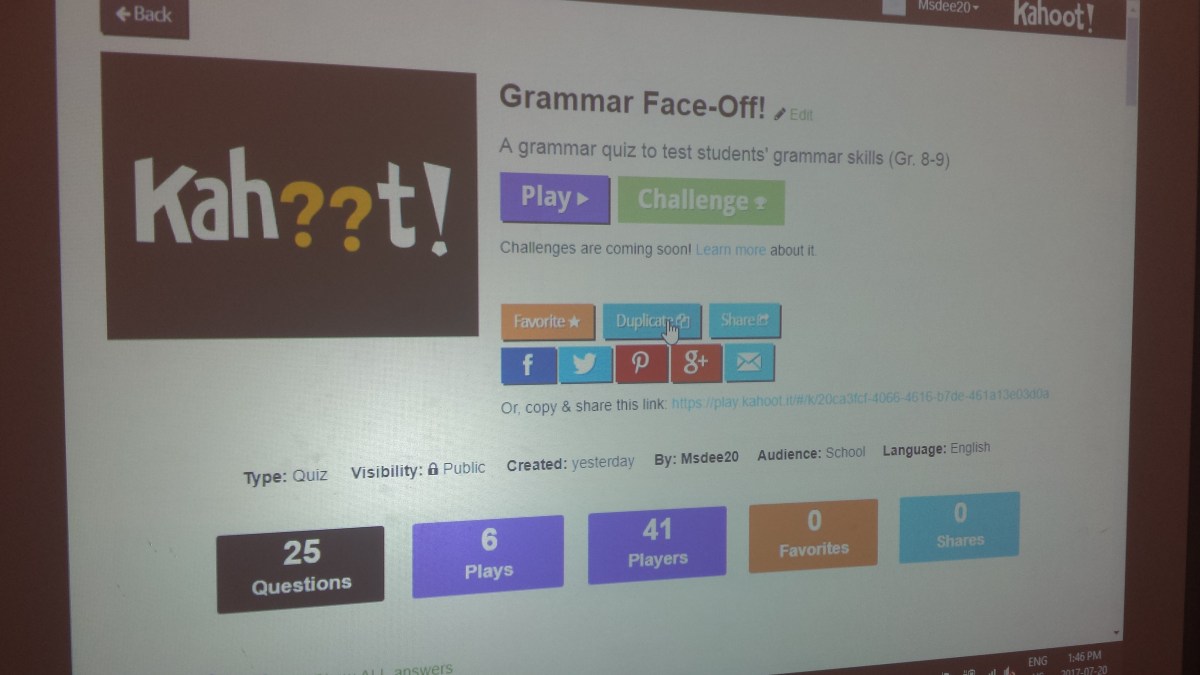
Here is a link to a Kahoot! presentation I created with 25 questions that cover punctuation, grammar and sentence structure: Grammar Face-Off Kahoot! Game

This Kahoot! can work as a diagnostic at the beginning of your course to determine where students are in their grammar, or as a review class where they play the game and you stop after each question to review concepts or teach them (because many of them will have never heard of a gerund or an infinitive phrase. Really? We have those in the English language?). You can choose to play this game individually with each student answering on his/her own mobile device, or do as I did where I grouped them into teams and made them play against each other. I found this to be a more fun approach because they were competitive and participated really well!

The game itself took about 35 minutes to get through and I rounded off my class with a prepared grammar package for each student that I found online. You can use any grammar worksheets and put them into a package depending on the writing abilities of your students.

So there you are, a simple lesson to help make learning grammar fun for your students. And the best part is, you can create an ongoing competition with Grammar Face-Offs once every week. Teams can accumulate points for a final big reward of your choice at the end of the school year (I would include GRAMMAR CHAMP certificates as part of their reward ;)). By taking the time to teach your students proper grammar, you not only invest in their quality of writing, you help groom them into becoming more effective communicators (a necessary life-skill). So there! You are doing your job and making a difference in the world. Well done, you!

©booksnnooks.org All Rights Reserved
Soul Surfer: A Great Teaching Tool!

When the story of teenage surfer, Bethany Hamilton broke around the world, people everywhere stiffened with fear at the fate of the young girl. A true miracle-story, Bethany fought her way back to life and success. Soul Surfer, by director Sean McNamara does justice to Hamilton’s epic journey. Released in 2011, and with a very Christian-focused lens on Bethany ‘s journey, this film takes a hard look at the role of faith during times of adversity. I showed it to my high school English class and they were riveted.

I found this to be a great teaching tool because it allowed students to learn very important themes around faith, family, love, compassion, perseverance, disability, hardships and overcoming those hardships.

Award-winning AnnaSophia Robb stars as Bethany Hamilton, with Dennis Quaid and Helen Hunt in the role of her parents. Essentially a star-studded cast, Carrie Underwood and Loraine Nicholson round off the line-up. The Most actors do a solid job of making their characters come alive and displaying individual foibles and strengths. Robb was a particularly convincing Bethany Hamilton with her tear-jerking reactions to Bethany’s challenges. This movie connected with my students on several personal levels and it was this connection that allowed me to extend the learning into a writing activity (a movie review).

The special effects were quite well done with the surfing stunts and underwater scenes offering viewing depth and clarity.

Teachers, for those of you who would like to show this movie to your intermediate students (it is best suited for the 12-15 year age group), I have attached a Soul Surfer Movie Review Instruction Sheet that you can modify for their writing activity. Along with the instructional sheet it would be worthwhile for you to include a rubric of your choosing as well as a movie review that you think is of a high caliber.

After marking close to a 100 movie reviews, I found this to be a great tool (the movie and the ensuing review) because it helped start the conversation around good writing (including the proper use of grammar, syntax and punctuation – please refer to my previous post, Teaching Grammar in High School). As a diagnostic it worked rather well in identifying which of my students were strong writers and which ones would need more help and in what areas. Since this was a film that everyone enjoyed because they were able to connect to it, it was the perfect conduit for developing writing skills.

Additionally, Soul Surfer worked really well to reinforce goal-setting, a lesson that I did earlier in the summer with my classes. My students were able to see someone in a seemingly impossible situation encounter multiple failures and finally [SPOILER ALERT] succeed.

Available on Netflix, Soul Surfer is a feel-good movie perfect for a girls’ night in, or with the family. As a teaching tool it works even better because larger life-lessons can be had. Teachers, try it and if  you do, please share  your experiences in the comments below.


©booksnnooks.org All Rights Reserved
 

Atwood’s The Handmaid’s Tale

Margaret Atwood is my favourite author. I have yet to come across another writer capable of dethroning her genius. The Handmaid’s Tale has always been on my to-read shelf, but life has constantly gotten in the way of this endeavour. When AMC debuted its series with the same name, based on the book, I knew I had to take it off my to-read shelf and start reading it. I want to watch the show (it has Alexis Bledel in it!) and in my chronology of life events, watching shows are always preceded by reading books.
This book is unlike Atwood’s later work, The Blind Assassin being one of her masterpieces. It infuses strong elements of dystopian fiction that paint a very bleak and often terrifying setting for the characters. A setting that is geographically the United States of America, specifically, the State of Maine, this book follows Offred as she tries to make sense of her present circumstances.

The writing style wasn’t to my taste in this one. I would use the word “excessive” to describe it without being too unkind. The phrases are often clichéd, and seem as though they are struggling to fit into a paragraph but cannot because their edges cause friction, thus making them stand out. Having said this, I am going to go ahead and contradict myself at least in part by noting that the language is very graphic and successfully showcases the chaos that ensues in a dystopia.

Atwood is one of those intelligent authors who despite being so brilliant, respects her audience’s ability to possess a similar intelligence, and in doing so leaves room for us to draw connections and reach expected conclusions necessary for the flow of her narrative. This is one of her earliest works that I have read, and in it I see this trust of her audience just starting to develop. Unlike a lot of authors, Atwood does not patronize her readers by explaining everything.

In the character of Offred I found a young woman who seems confused and unsure of how to tread forward. Perhaps Atwood structures her novel around this lack of certainty because by its very nature a dystopia generates chaos, even if it tries to maintain structure. Offred’s character is layered with weaknesses and perhaps she needs to be weak in order to remain a puppet in the dictatorship she finds herself. She presents with actions that lead the reader to pin hopes on her ability to be a dissenter and overcome the dystopia, but Atwood does not make it clear that Offred will have that opportunity.

In the character of Moira, Atwood starts off with a brazen woman who some readers may argue carries the entire weight of redemption, but Atwood’s narratives are saddled with the shadow of reality. This is not a fairy tale.

Women’s rights is a major theme as is the bigger question around what lengths are excusable when trying to maintain the propagation of mankind. Power is indubitably analyzed from several angles and characters’ actions and emotions are dissected to reveal much about human nature. This book on the whole takes a magnifying lens to the relationship between fear and power.

The ending of this dystopian tale feels hokey, the historical notes at the end don’t do much for the narrative as a whole, and I suspect they were an attempt by Atwood to add some closure to her tale after leaving us on a dissatisfying cliffhanger. To that end, the ending left me feeling cheated. Atwood creates this dystopian society with such complexity, constructing details to support various levels of function, and the ending felt so “loose” that the entire novel seems to fray a bit because of it.

Still, this novel is not completely without merit. Atwood layers incredible detail which could only stem from deep research, and dexterously conveys the workings and horrors of a dystopian society. I also enjoyed the attention to detail in the references Atwood makes to other cultural groups and the different events that shaped society over the 20th century.

I remain convinced of Atwood’s genius but The Handmaid’s Tale left me disappointed and wanting. While the writing style fell short of perfection and the ending could have been stronger, I would definitely recommend this book. It may be a biased recommendation because I love Atwood’s work and who she is as a person, but this book does much to open our eyes to a dystopian culture so horrifying but at the same time so incredibly real. It is a staunch lesson in what happens when fanatics are given power by ordinary men and women who are frozen by fear.

As I read this book written in 1985, I was mortified by the connections I kept making to our present-day dystopia and the sheer anarchy that ensues when thousands stand idle as a brute force is handed unmitigated power. Atwood has an untouchable talent for asking some of the hardest questions and making you overturn your previous perceptions. Not as brilliant as her later work, but still worth the read.

©booksnnooks.org All Rights Reserved