The Nordic Traveller’s Budget Guide: Norway

I was sad to leave Iceland; perhaps a couple of days longer would have done the visit justice, but then we landed at the Avinor Oslo Lufthavn and now I’m in another state of mind!

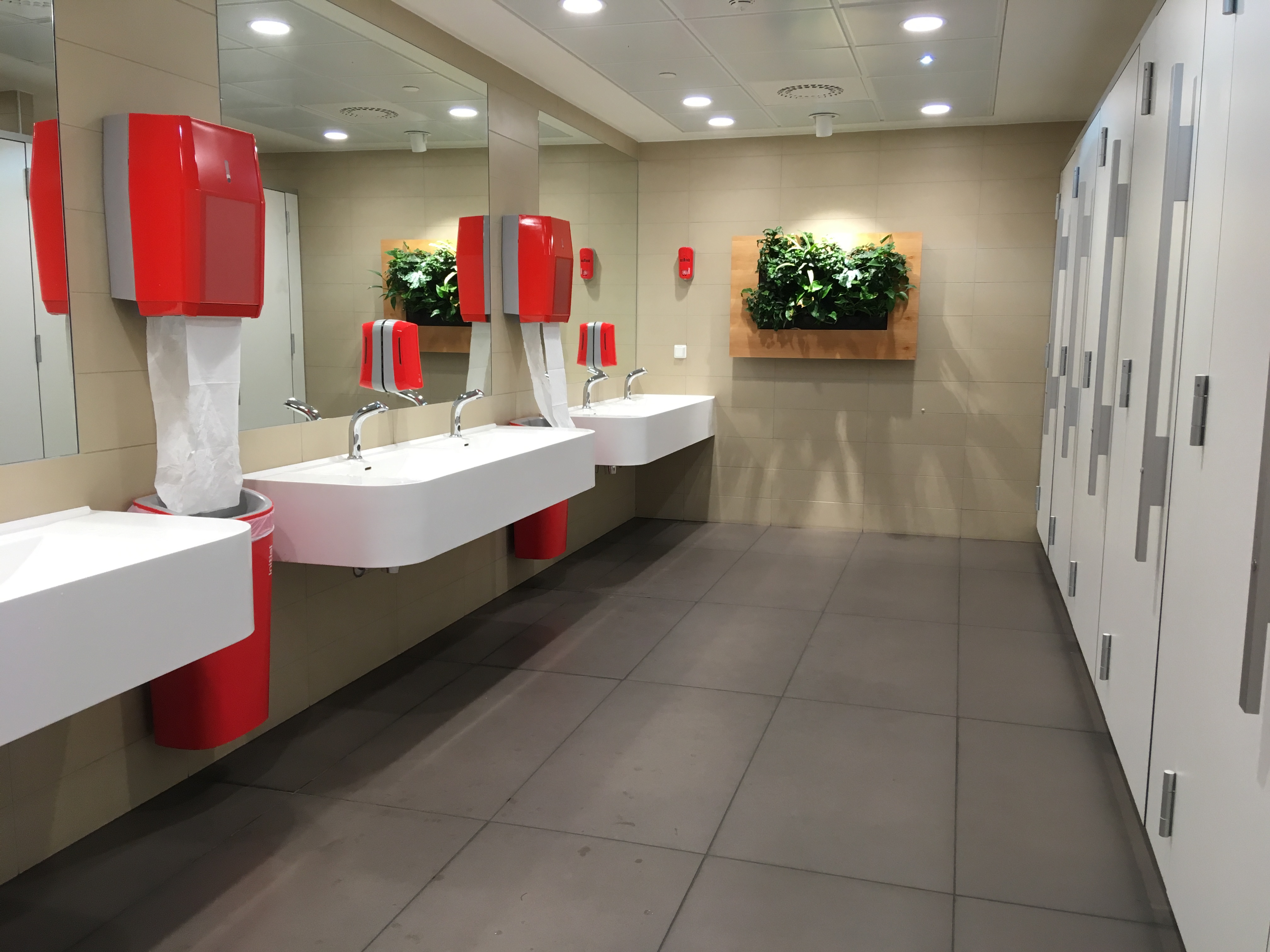
So, my first impression of Norway was white Lacrosse shoes, Ralph Lauren Polo Tees, tall and beautiful models passing off as regular people, and clean public bathrooms. I mean, look at this one!
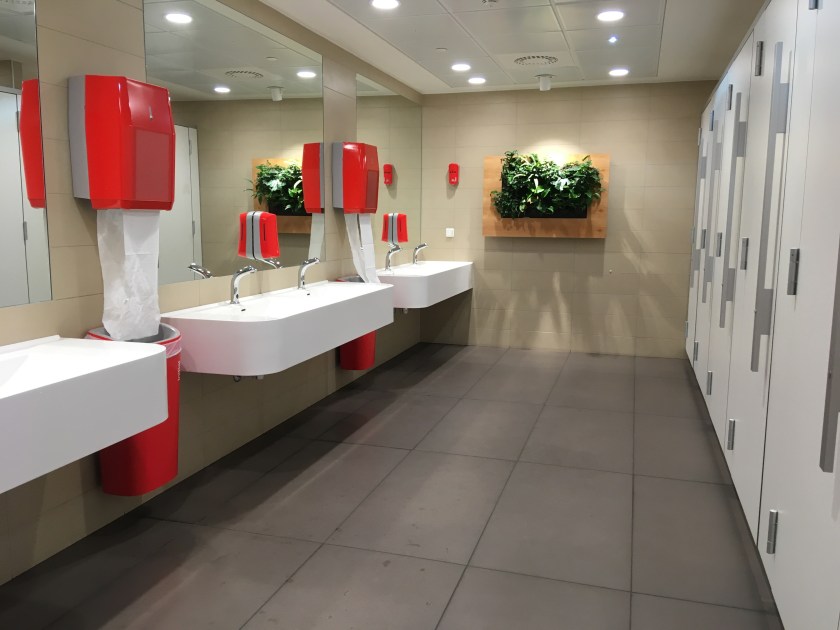
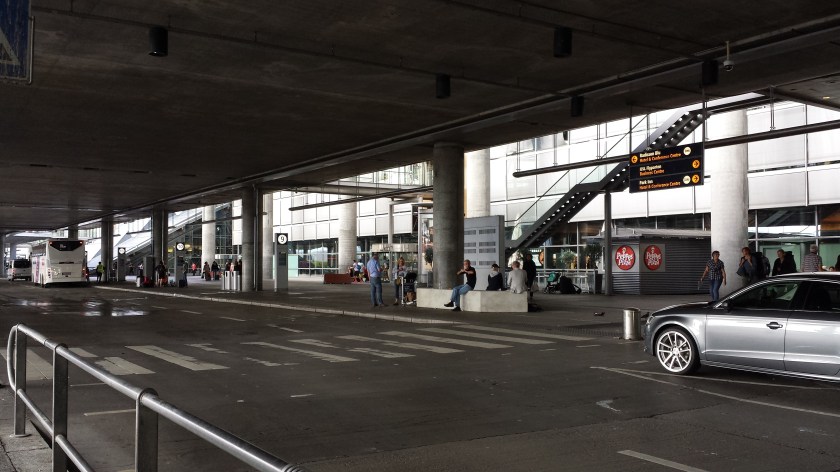
Public Washroom at Avinor Oslo Lufthavn
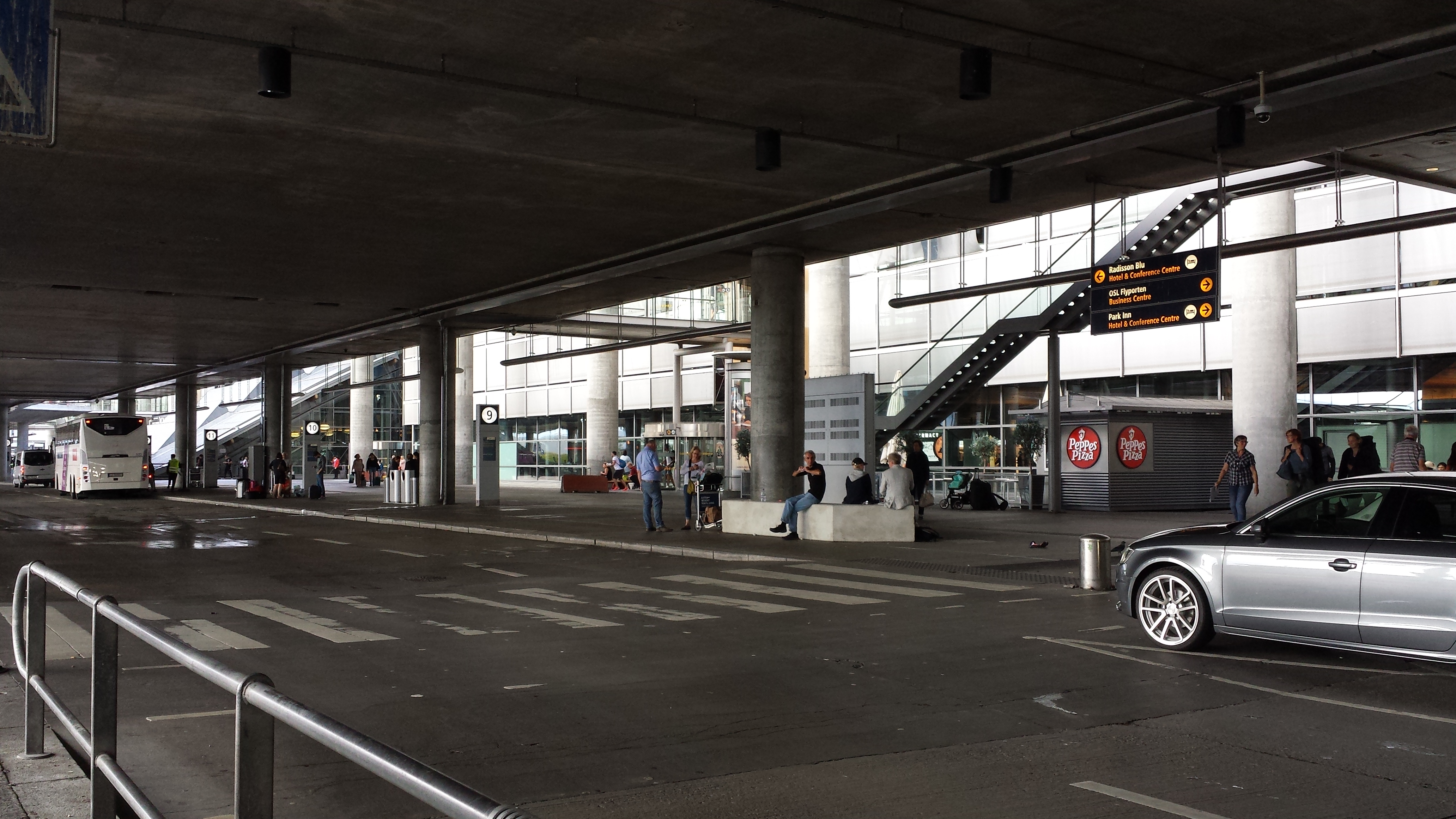
Avinor Oslo Lufthavn

AIRLINE:

We took Scandinavian Airlines from Iceland to Norway and the service was great. SAS offers budget flights to Europe and elsewhere. If you have an expedia account, you can earn points to save more.

NATURE, LANDSCAPE AND DESIGN:

Oslo itself is a very well-built city. Old structures are preserved beautifully and creative design elements are employed to make the best use of various spaces. I was very impressed with their innovative design in structures like the Opera House or the solar charging stations outside of Oslo Central Station, as well as their functional shower stalls to optimize bathroom space.

GEOGRAPHY & WEATHER:

Oslo is located in the south of Norway right on the North Sea. It sits close to Sweden and Denmark. It was cold and rainy for a big portion of our stay, although the sun did come out and make for enjoyable weather at some points. Pack that raincoat for sure and an umbrella if you have the room.

Wi-Fi:

Unlike Iceland, Norway does not have Wi-Fi everywhere you go, although train stations and the airport do.

BUDGET:

At the time of this post 1 Canadian Dollar (CAD) is equal to 6.26 Norwegian Krone (NOK).

Transportation:

A ticket for 93 NOK (14.85 CAD) will get you a train ride into Oslo’s city centre (Oslo Central Station) and connecting metro stations. You have 2.5 hours to complete your travel before your ticket expores. You will need to buy this depending on where you are going.

An Oslo city pass for 24 hours is 395 NOK (63.10 CAD). Visit Oslo provides details on additional day pass pricing and discounts. Most museums in Oslo are free with this city pass, and some boat cruises to the Fjords are discounted. This option we found would be stressful when it came to getting our money’s worth because 395 NOK is quite a steep price even by Norwegian standards.

We decided to purchase 24-hour transit passes instead and this allowed us flexibility to see what we wanted on a budget. A 24-hour transit pass for one person was 90 NOK (14.35 CAD) and this allows you passage on trams (blue line), buses (red line), the T-bane (subway and orange line) and ferries to the islands.

Oslo Central Station:

If you have luggage with you, Oslo Central Station has luggage lockers where you can leave your belongings for 24 hours. We paid 70 NOK (11.20 CAD) for a locker that held all our stuff but if you have bigger luggage, the largest lockers go for 80 NOK (12.75 CAD) a piece. Much like the lockers in Reykjavik, these can only be opened with a pin code once after you lock them, so make sure to take whatever you need with you.

A word about getting around in Oslo, download the Visit Oslo app on your phone. This app works offline and shows you details about all the major attractions in Oslo. It has information on restaurants, suggestions for activities depending on the weather, and is a lifesaver when you need to find your way around Oslo. You should also get a copy of the Oslo City Guide which has information on all the attractions (including hours of operation).

Beware of pickpocketers at the Oslo Central Station and make sure you have NOK currency with you because the washrooms cannot be used for free.

The set-up of the transit system is a tad confusing at first but can be figured out the more you travel around the city.

Accommodation:

Again, we procured our accommodations through AirBnB. Most AirBnBs that are reasonable are in the suburbs and this allows you to get to know the culture outside of the main city. AirBnBs also offer creature comforts (Wi-Fi) and a homey experience, as well as the opportunity to save big with a kitchen where you can cook your own meals. Prices vary and your budget will determine what you decide to book. I will say that our hosts in both Iceland and Norway were wonderful, absolutely generous and accommodating. You don’t have to, but we carried little jars of Maple Syrup as a thank-you.

Food:

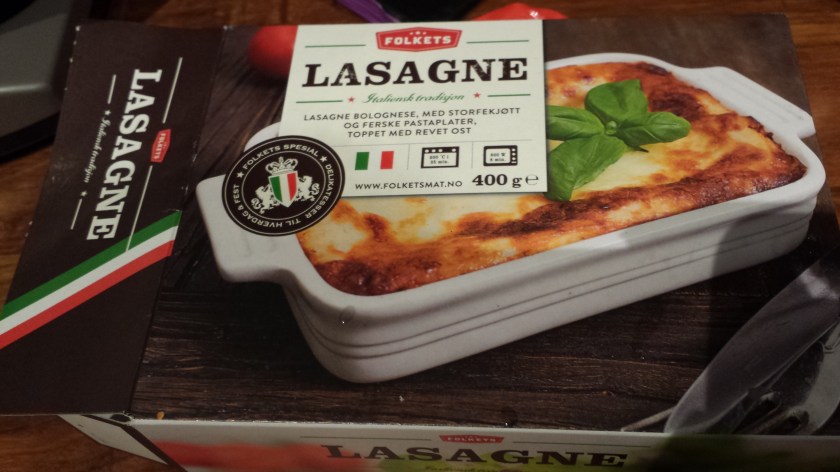
Some meal options that you can find at grocery stores like Bunnpris and Kiwi include the following:

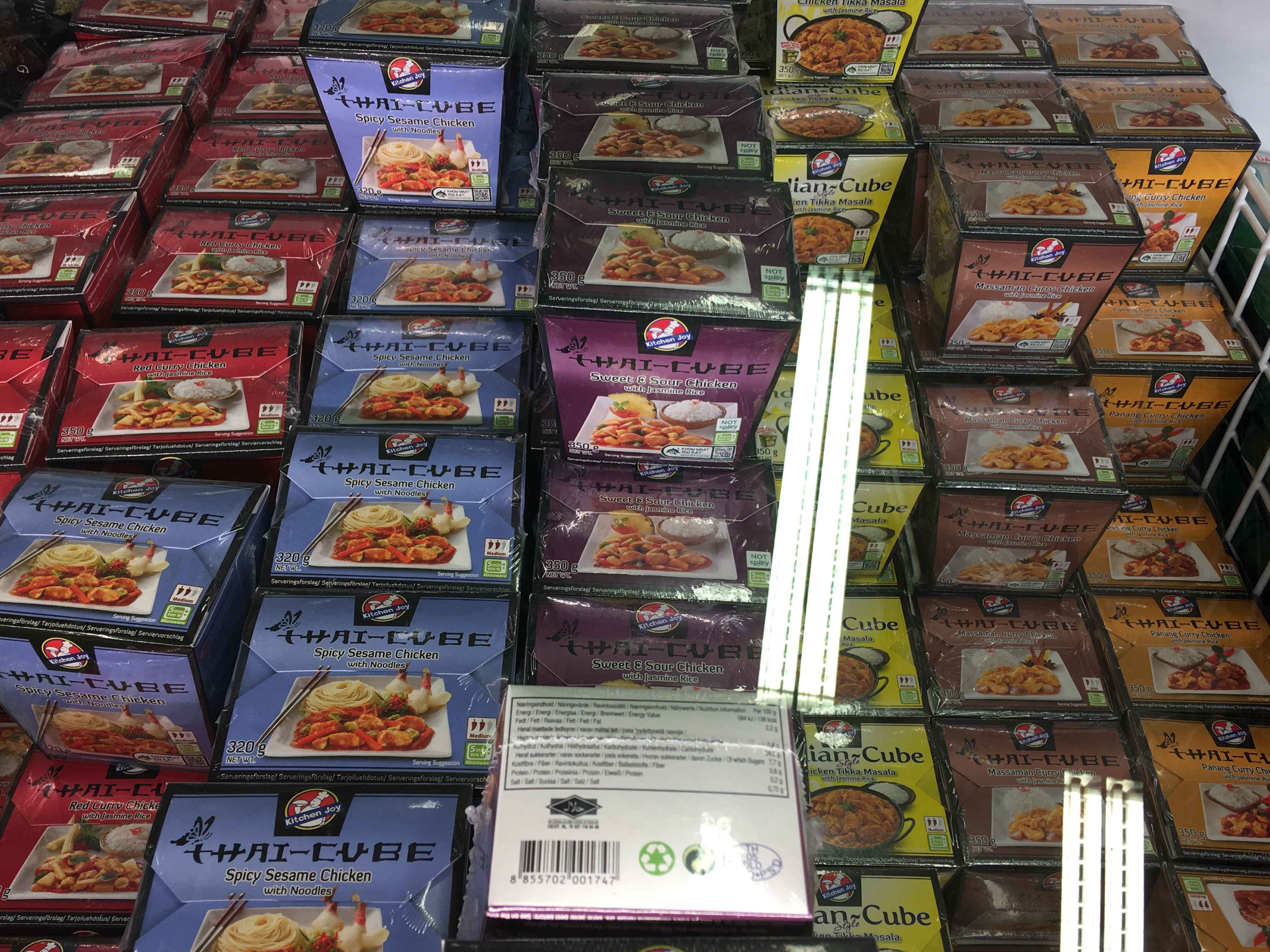
Frozen Tikka Masala Chicken with rice at 55.50 NOK (8.85 CAD) and ready in 10 minutes!
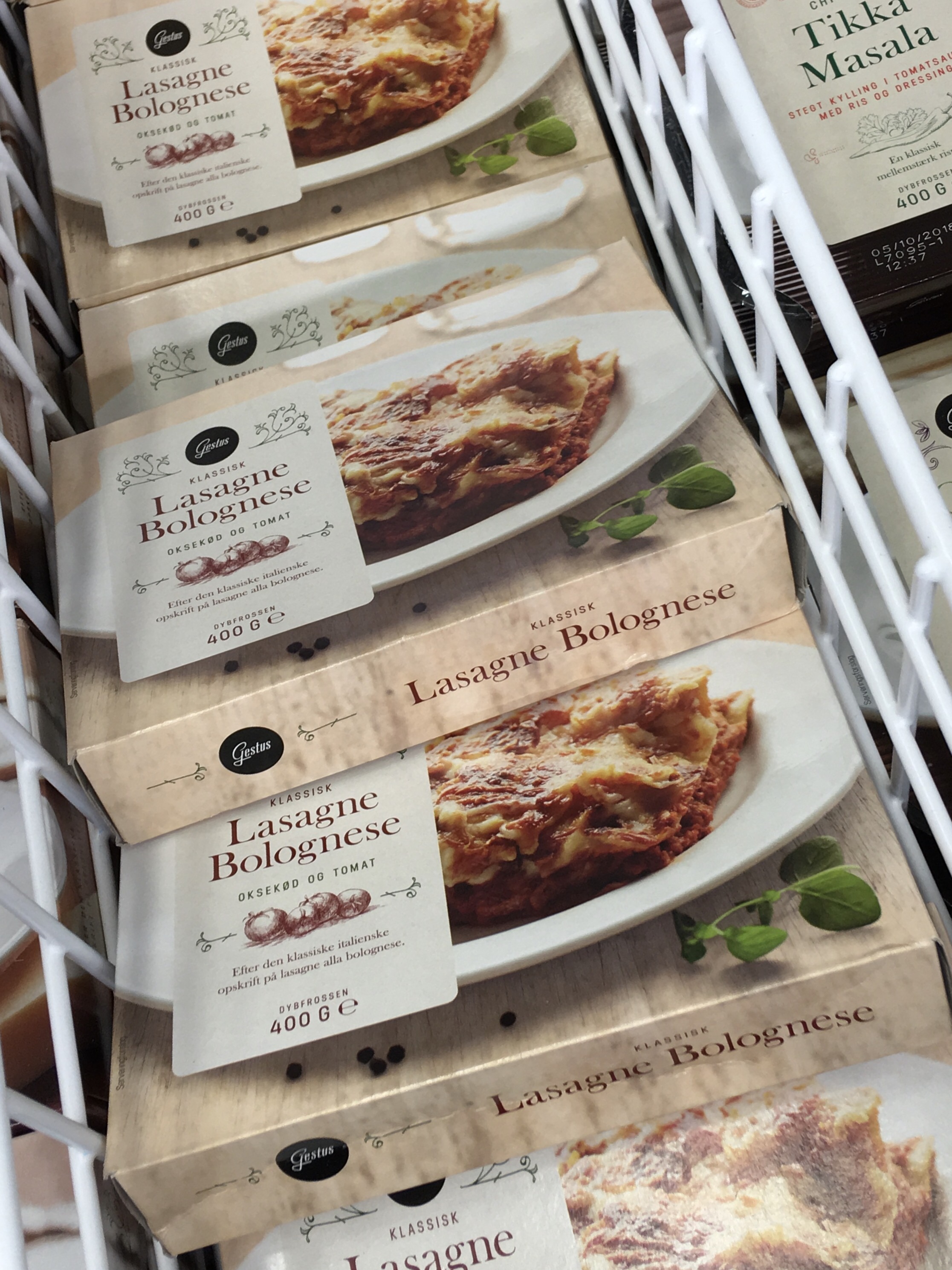
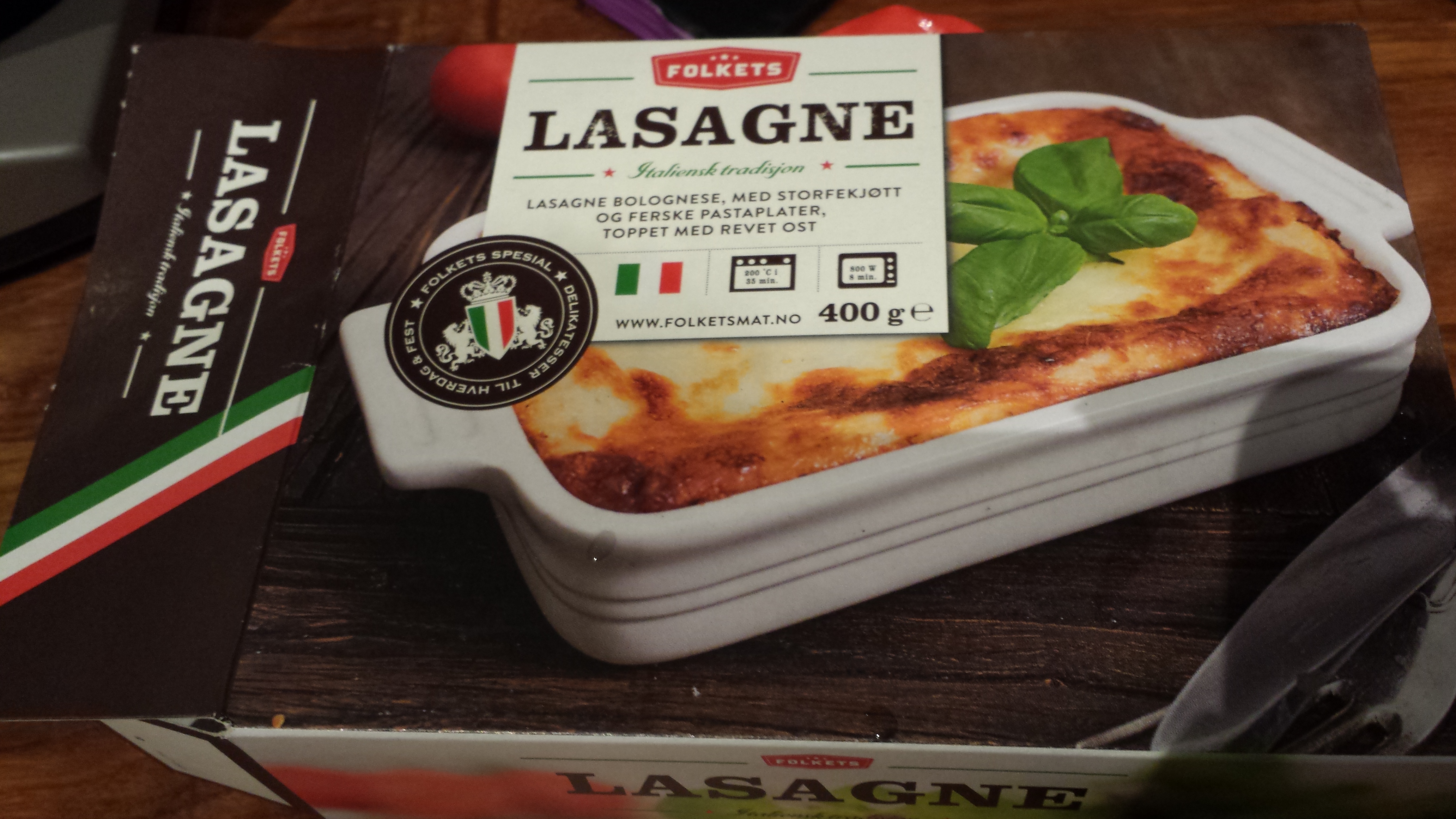
Frozen Lasagna, 400g for 30.90 NOK (4.95 CAD)
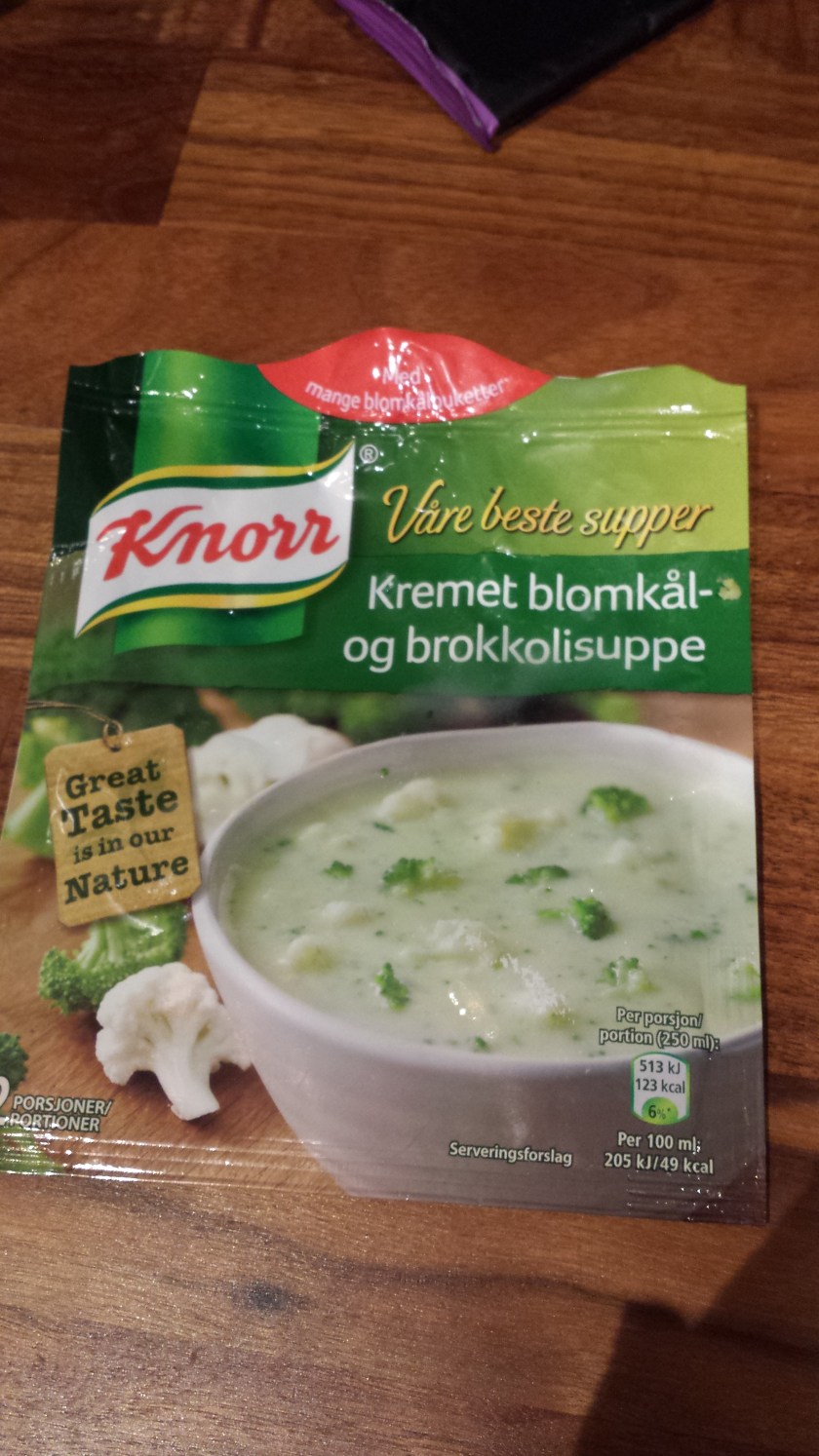
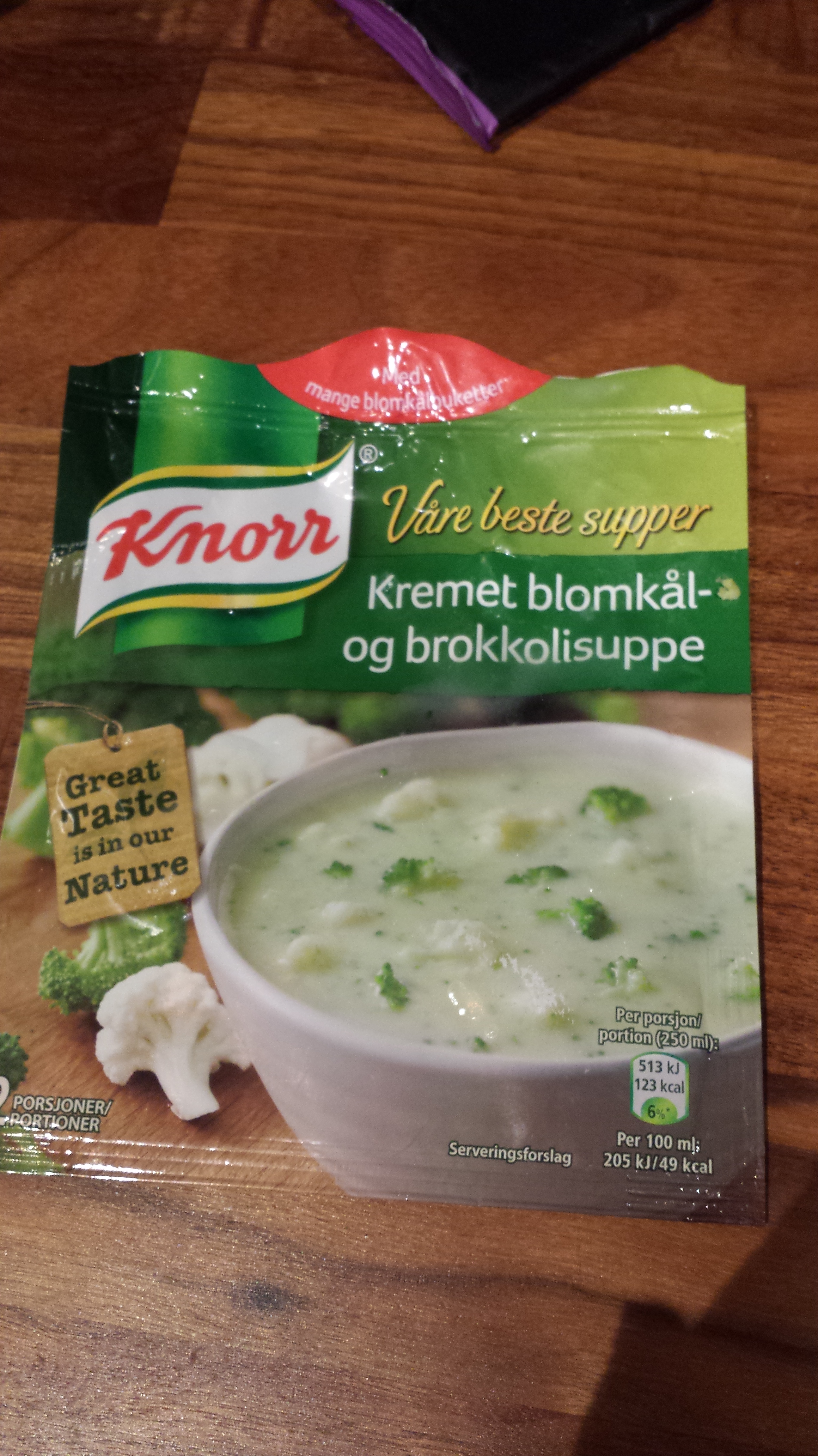
Broccoli Soup packet for 17.90 NOK (2.85 CAD)
Preserved chick peas for 8.50 NOK (1.35 CAD), a great addition to a salad

With a few of these well-priced items, we fed a family of 5 a nutritious meal for about 241.90 NOK (38.50 CAD). That’s about 7.70 CAD/person! And if you’re a single person or a couple, you can save even more.
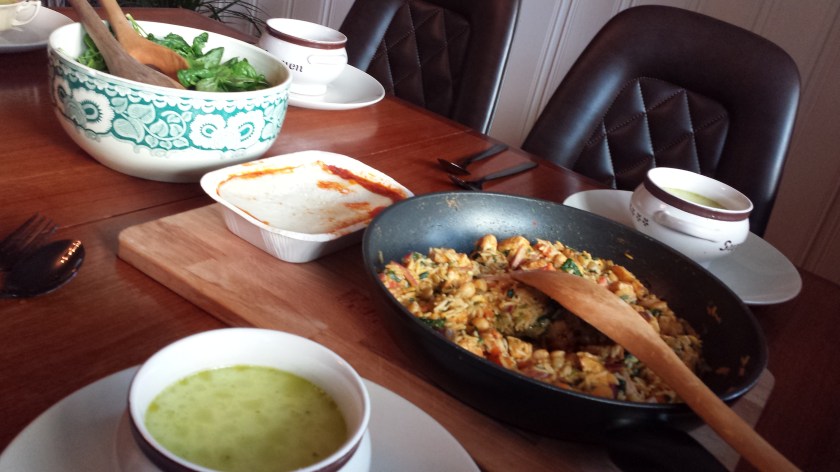
Our 7.70 CAD dinner at our AirBnB in Lambertseter, Norway

Bunnpris and Kiwi are good and convenient store options, although Kiwi is slightly better-priced. Here are some prices of the essentials:

Milk, 1 L: 14 NOK at Kiwi (2.25 CAD)

Bread, different types: 6 – 30 NOK (0.95 – 4.80 CAD)

Eggs, pack of 6: 16 NOK at Bunnpris (2.55 CAD)

Yoghurt, pack of 4: 16.50 NOK (2.65 CAD)

Kaviar spread, 190 g, First Price brand: 8.90 NOK (1.40 CAD)

Baby Spinach, 100g: 18.90 NOK (3.0 CAD)

Orange juice, 1L: 24 NOK (1.80 CAD)

1 big cucumber: 18.90 NOK (1.40 CAD)

Miscellaneous:

Postcards: 8 – 12 NOK (1.25 – 1.90 CAD)

One international stamp: 23 NOK (3.60 CAD)

Stores & Services:

Vitusapotek is one of the pharmacy stores in Oslo

Ruter is Oslo’s transit service

Stockfleths is a coffee shop in Norway that makes great Hot Chocolate!

Narvesen is a convenience store available in a lot of train stations and elsewhere in the city. And if you like to choose from a line-up of ice-creams, Narvesen has got you covered!

DNB is Norway’s biggest financial institution.

Posten is Norway’s postal service with red post boxes at major stations, including Oslo Central.

Bunnpris and Kiwi are two well-priced supermarkets with Kiwi being the less expensive of the two.

Vinmonopolet is Norway’s alcohol store.
Pleasebe advised that a lot of stores, services and attractions are closed on Sundays, so plan ahead.
Things to do in Oslo:

Oslo is a wonderfully-entertaining city and as such there is much to do here. The following are just a few of the many things you should get around to:

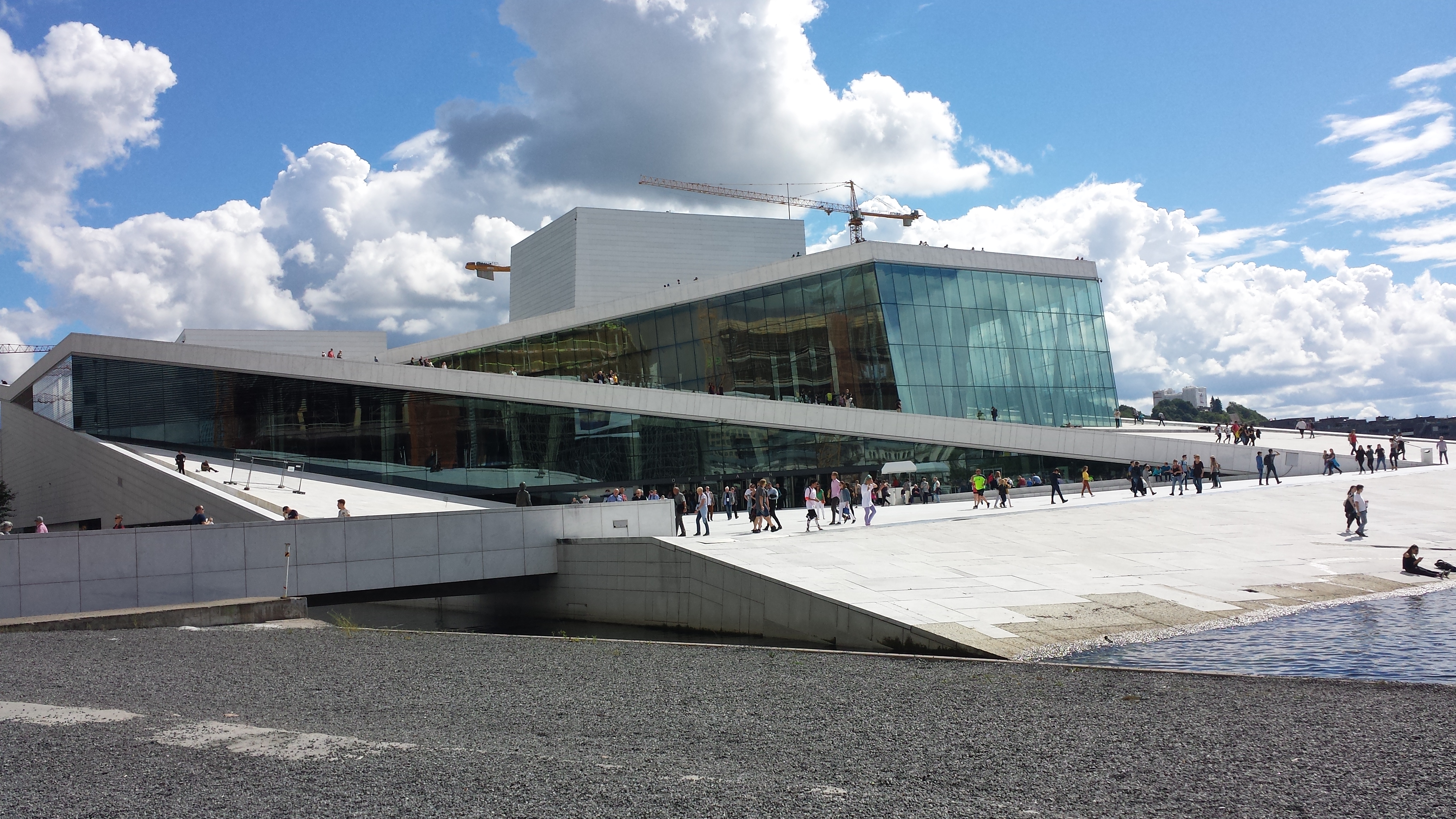
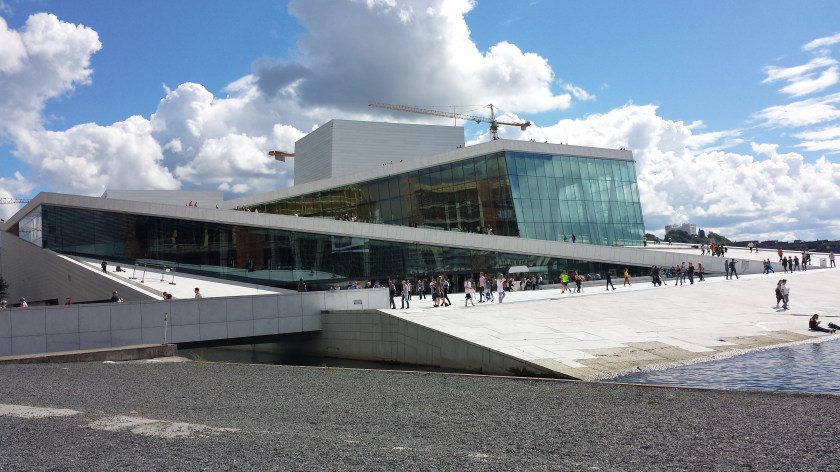
The Opera House is a must-visit for its stunning views and genius architectural design.

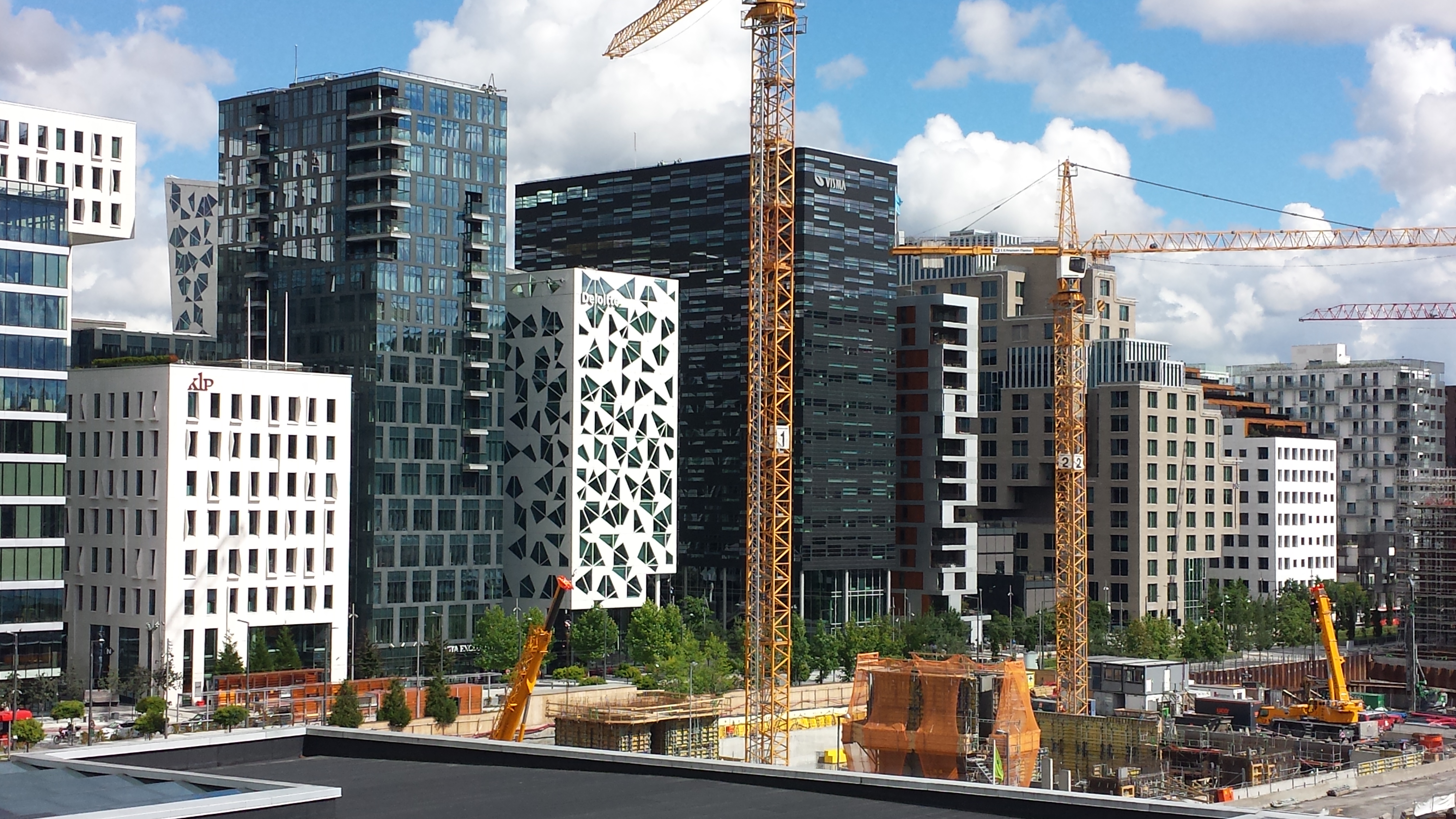
The ‘Barcode’ that is a set of buildings you can see from the Opera House is quite a view!

If you’re an art geek, you should absolutely set foot in the Munch Museum!

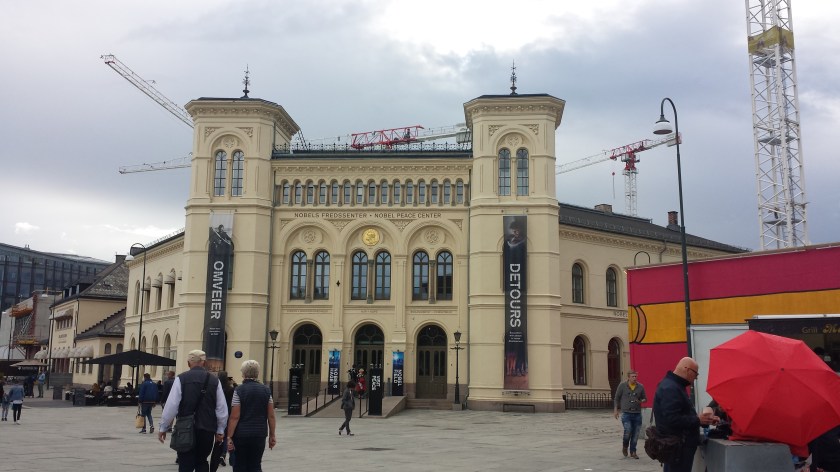
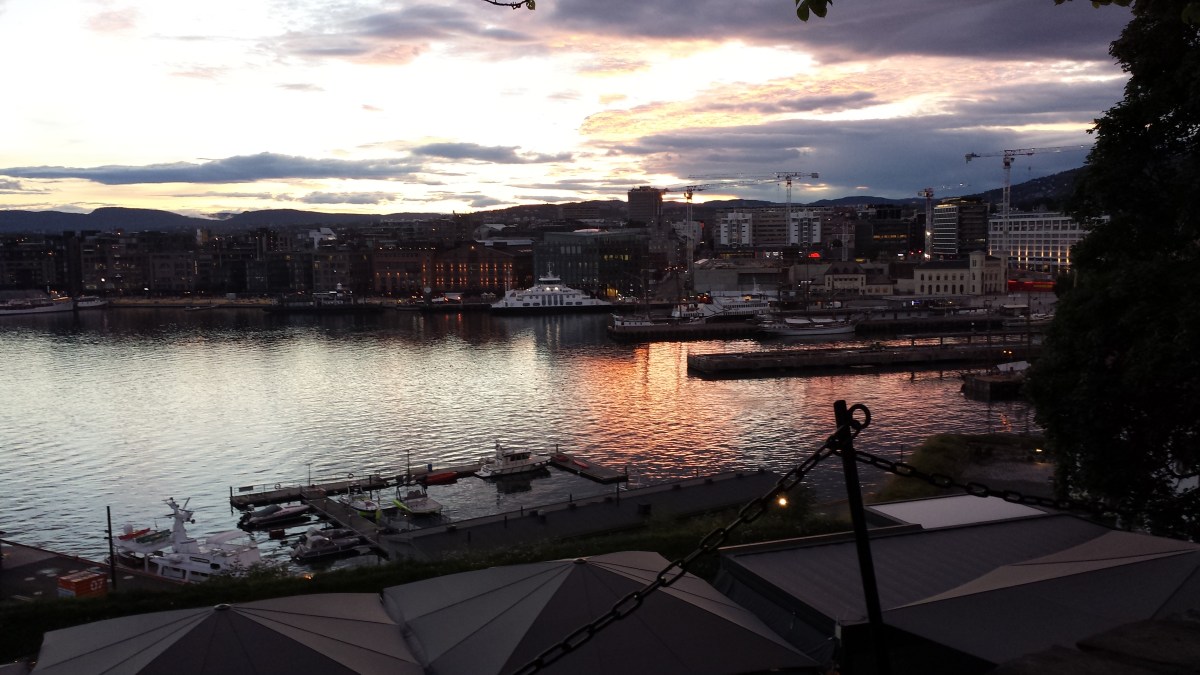
The Nobel Peace Centre is a a great visit with its peace exhibitions and display of all the Nobel Peace Laureates since 1901. For 100 NOK (15.95) you can get an individual ticket to tour the centre, or 180 NOK (28.75 CAD) gets you a pass for the entire family. The centre has the added bonus of being on the harbour and an Oslo sunset on the harbour in the summer is simply heavenly! If you have the chance, take a couple of Ferry rides from the harbour with your 24-hour transit pass.

The Royal Palace is worth a walk to, and makes for a beautiful view if you stand on the steps and look down to the street below.

The Sculpture Park in Majorstuen is massive and impressive. It has acres of beautifully-manicured lawns with gorgeous flower beds and then hundreds of intricately carved and detailed statues of naked people. Even if you’re not into naked people, you will want to see this park! I was intrigued with the craftsmanship! You can take the blue trams 12 or 19 to get to the park.

Karl Johans gate, right outside of the Central Station is Olso’s main street and a beautiful street to walk and shop through, much like Grafton Street in Dublin, Ireland.

Lastly, Grunerlokka is a must-visit! From Oslo Central Station you can catch trams 12 and 13 or Bus 30 and get off at Schous Plass. Once you do walk over to Markveien and stroll up and down this street. If you’re into hip bars and restaurants and quaint stores with a vintage touch, this will be at least an entire day of exploring Grunerlokka.
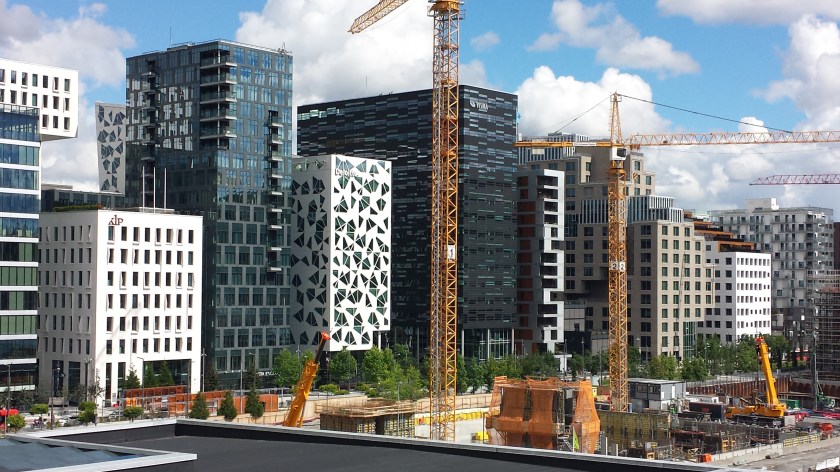
The ‘Barcode’, Oslo
The Opera House, Oslo

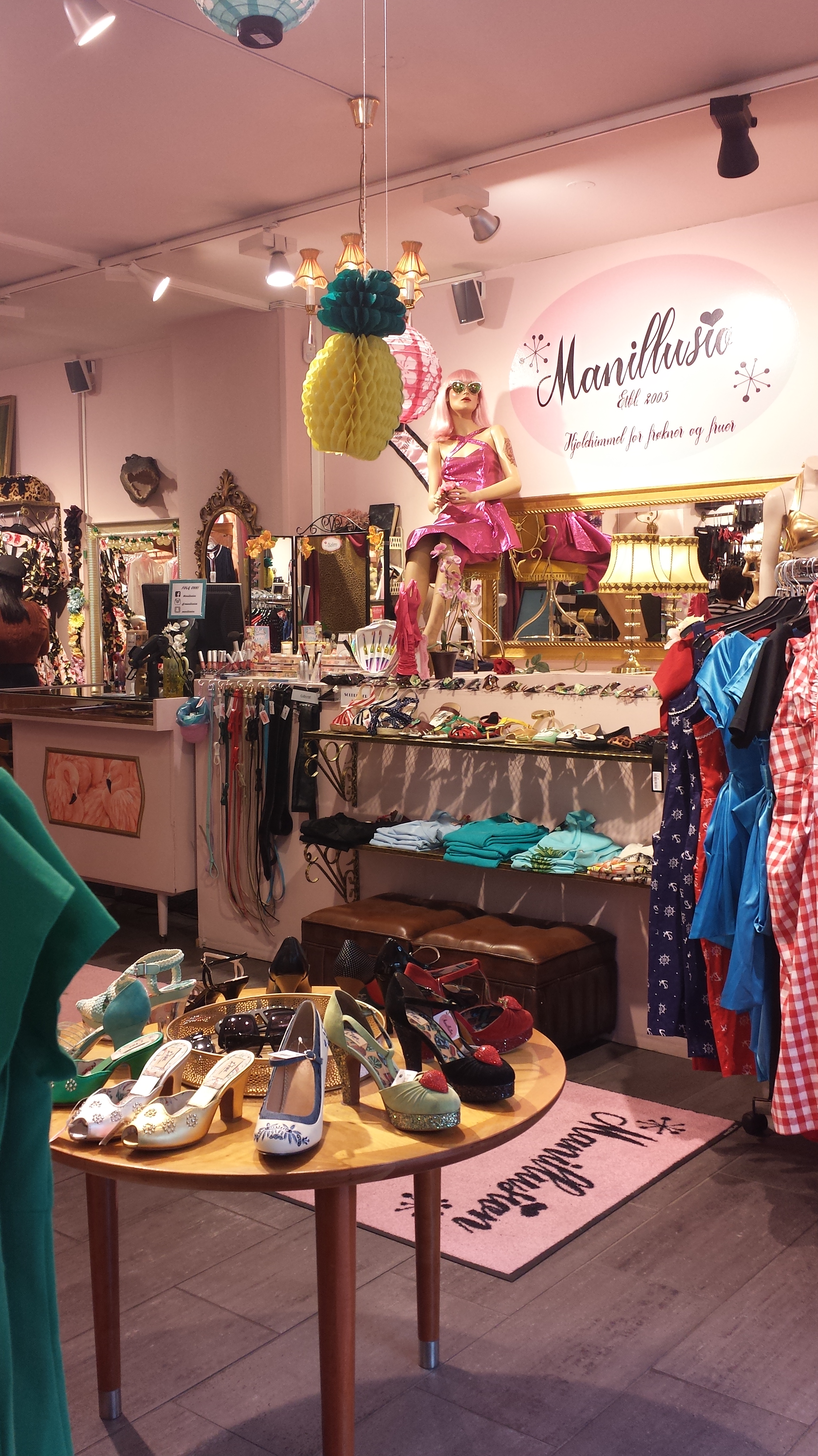
Shopping in Grunerlokka

The Sculpture Park in Majorstuen, Oslo
The Nobel Peace Centre, Oslo

The Royal Residence in Oslo

Restaurants:

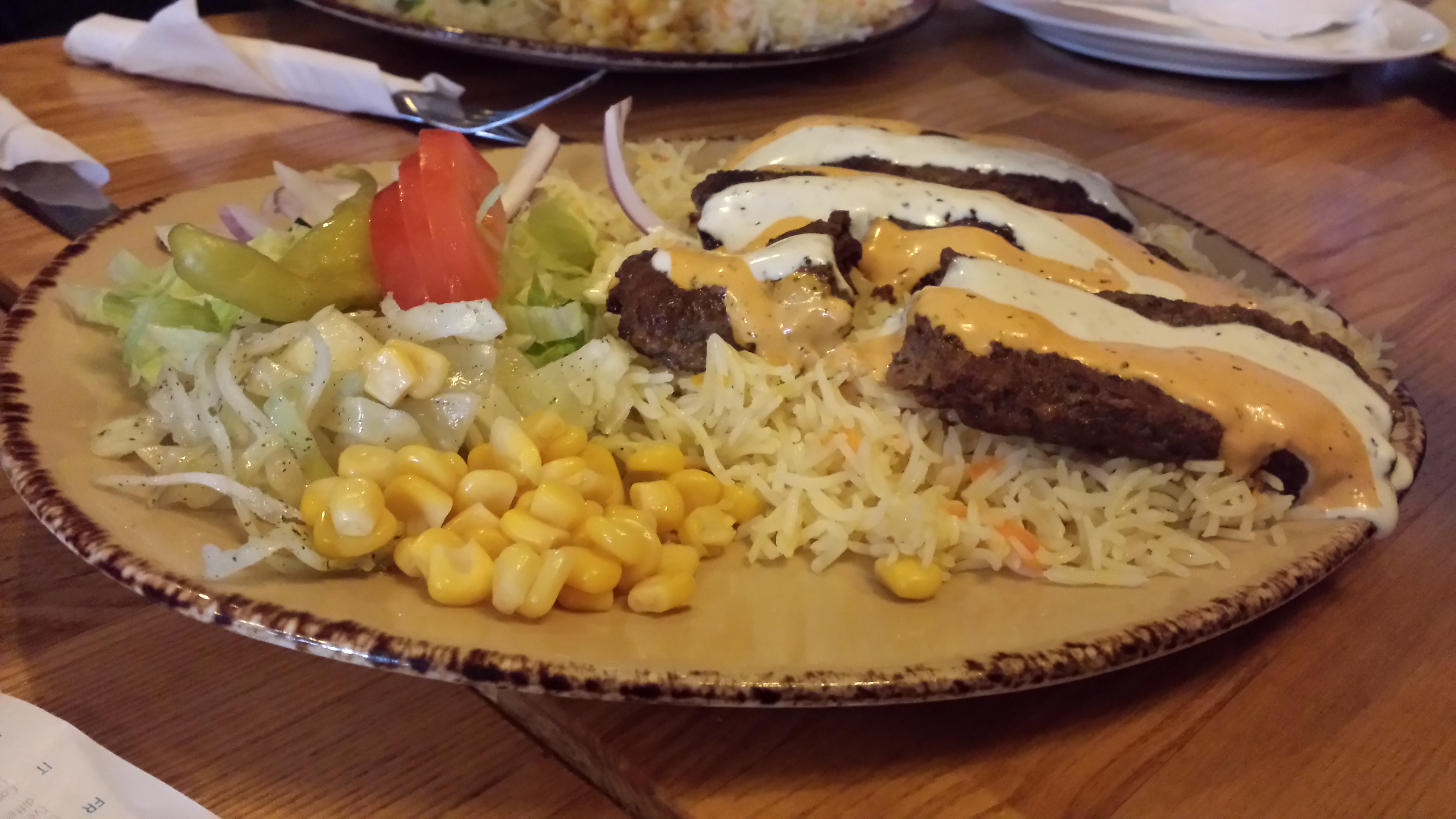
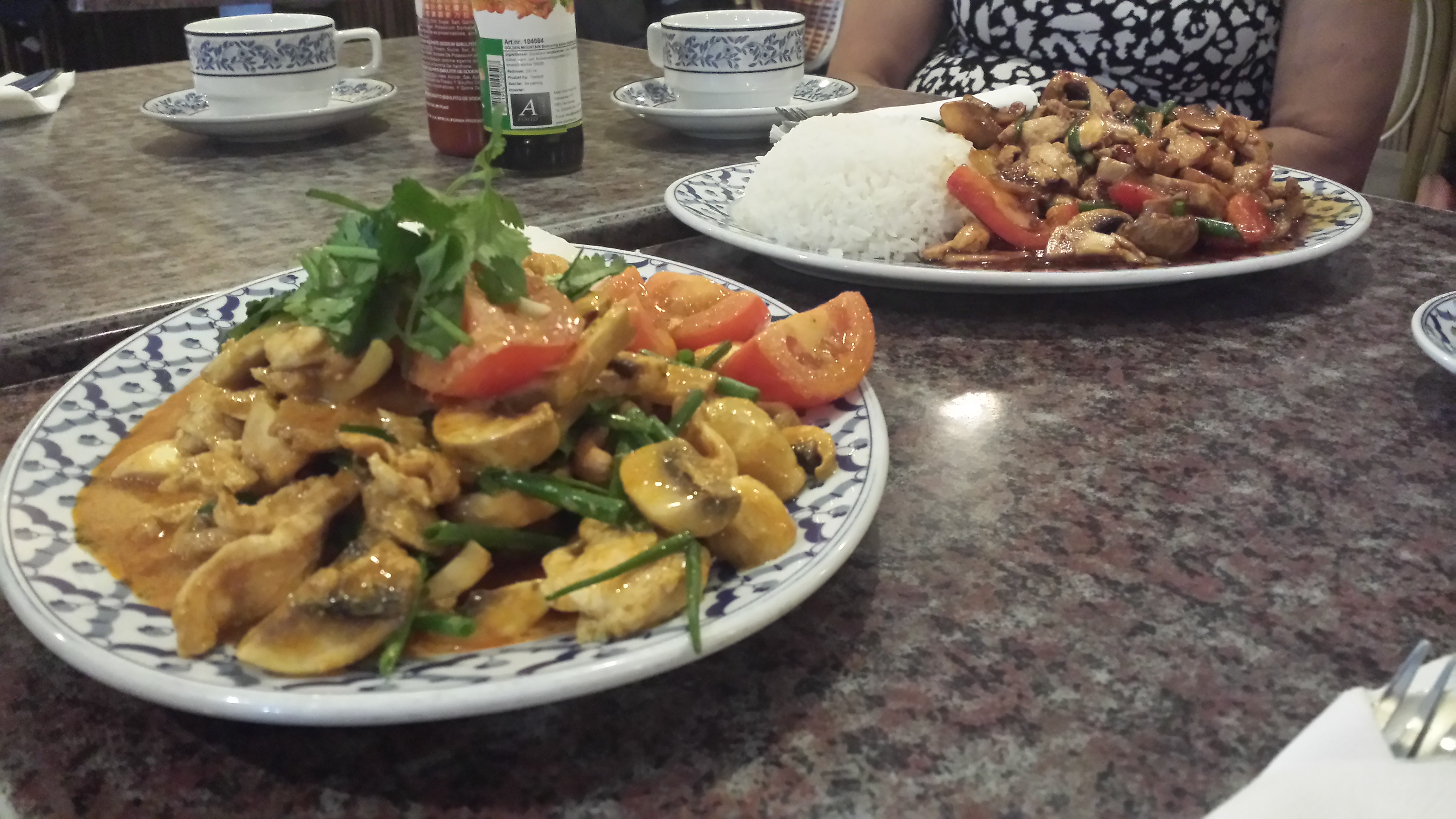
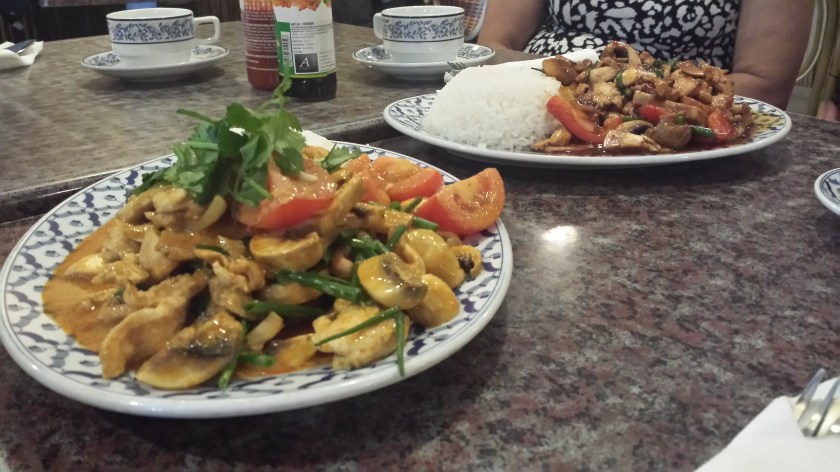
I have two suggestions passed on to us by our AirBnB host: Rice Bowl in Youngs gata (and an additional location in Grunerlokka on Sonders gata called Rice Bolle) and Bari Pizza and Grill on Torgata. Rice Bowl serves up delicious Thai food in ample quantity at great prices! Bari Pizza and Grill serves up beautiful platters of Middle Eastern food for really good prices! If you want to try good food but don’t want to spend an arm and a leg (things in Norway are still expensive, even if not as pricey as Iceland), these are your places to go.
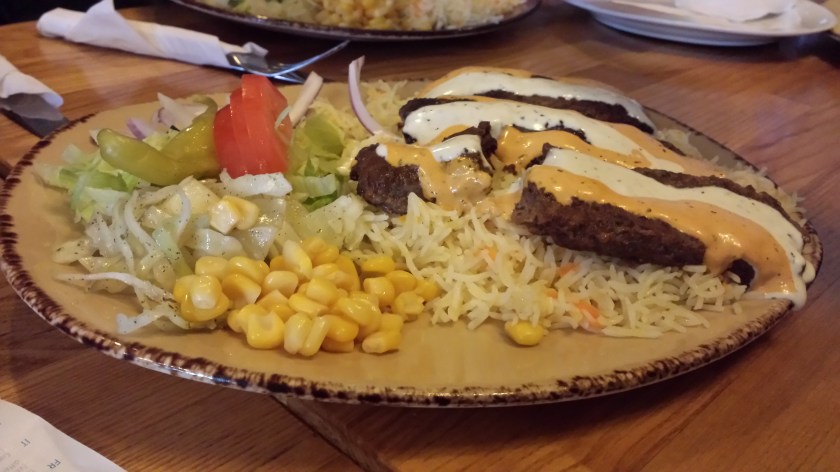
The Kofte Dinner at Bari Pizza and Grill for 115 NOK (18.20 CAD)
A yellow and a red chicken curry at Rice Bowl. Prices between 140 and 155 NOK (22.20 – 24.55 CAD)

Oslo is definitely worth the visit and if you are creative, you can save while having fun. Make sure to have some change on hand because most public washrooms require payment. You may use restaurant washrooms but they have codes either provided by staff or on your bill. If you do end up visiting Oslo and you read this before you go, please let me know how this post may ot may not have helped you plan your trip. Happy travels!
©booksnnooks.org All Rights Reserved
The Nordic Traveller’s Budget Guide: Iceland 

Summer school is neatly wrapped up in a bow, parent-teacher interviews have been successfully conquered and now I am at the start of a much-anticipated jaunt through the Nordic countries. Having taught in Finland years ago, this trip is made all the more sweet because of a 2-week homecoming in a little town off the West coast of the same. First though, let’s talk Iceland.

Before I begin, I am going to share a few general traveling tips:

First, something every experienced traveller has discovered: packing light. I packed a backpack complete with carry-on luggage restrictions and a small handbag. This has proven to be more than sufficient for my needs. It decreased travel time (no baggage claim) and moving around is so much easier!

Next, bring along an empty reusable water bottle. Unless you know that the country you are traveling to has unsafe water conditions, you can refill your bottle with tap water and at drinking fountains. If you have access to a kettle or a pot and stove, boil your water, cool it and refill. This saves money and means you don’t have to worry about where your next drink of water will come from.

AIRLINE:

Budget airlines are your best bet and baby airline (5 years new), Wow Air is a great no-frills option. You can get a reasonably-priced ticket (pricing varies according to season) with one carry-on item included in the price.

NATURE AND LANDSCAPE:

Iceland is stunning. This is one of those countries that puts into perspective your place in the world relative to the natural beauty of the earth. The succulent green of the hillside, the demure streams, the powerful waterfalls, the stunning craters with pools of blue-green water, the lava fields grown mossy and inviting over several years, the fresh pure air; Iceland has that forceful power that drags you in and makes you feel at ease. It forces you to look at the bigger picture, to breathe in deeper, to linger longer and walk further, to just be. This country, even if you stay for a short while, will leave you breathless.

GEOGRAPHY AND WEATHER:

Sitting right above Ireland and the United Kingdom, Iceland is 4 hours ahead of the Eastern time zone in North America. It is also (and I discovered this on a stroll through a souvenir store), the north most capital in the world (latitude-wise). Pretty cool tidbit, eh?

They have a running joke here in Iceland, “Waiting for Summer since 1926.” The temperature when we arrived at 6 a.m. in the middle of the week was 8 degrees Celsius, and did not change much throughout the day. So, pack warm; hoodies, sweat pants, a windbreaker/waterproof jacket and umbrella will be your friends. If you don’t like getting cold, I would suggest a toque and mittens as well, but if you’re Canadian, you’ll probably bust out the t-shirt and sandals and try your luck! 🙂

Wi-Fi:

One of the things I love about Iceland is the fact that they have free Wi-Fi almost everywhere (hotels, airbnbs, tour buses). There is no need to purchase a data plan because as long as you have a messaging app that requires Wi-Fi (like Whatsapp), you can connect for free.
BUDGET:

With a population of 330, 000, 240, 000 of whom live in the greater Reykjavik area, Icelanders rely heavily on toursim to support their economy. So, it comes as no surprise that everything in Iceland is pricey. They have no major industries (most of their land comprises lava fields and therefore is infertile, and as for natural resources, with the exception of Carbon Dioxide, they have none) that support them and almost everything is imported, so they aren’t trying to rip you off on purpose! They have no choice. Living in North America and griping about the rising cost of living, I forget that there are countries like Iceland where the mere thought of opening up one’s wallet can cause massive anxiety. No need to panic though! The following are a range of prices at different places in Iceland compiled to give you a sense of what things cost and how you can stay on budget. Iceland deals in Icelandic Kronas (ISK), and being a Canadian, my price comparisons will all be in Canadian Dollars (CAD). At the time of this blog post 1 CAD = 83 ISK (approx.).

Transportation:

Fly bus admission for one adult one way: 2, 500 ISK (30 CAD), return: 4, 500 ISK (54 CAD). The Fly bus as well as Grayline, offer rides to the main bus station in Reykjavik (BSI) from Keflavik International Airport.

Taxi for 5 people for a 10-minute ride: 5, 010 ISK (60. 40 CAD)

Car rental for 5 people for 1 day with basic insurance: 15, 000 ISK – 20, 000 ISK (180 CAD – 240 CAD)

Straeto bus services offer bus routes that connect most of the outskirts of Reykjavik. You can also download their app for bus schedules and a journey planner at your fingertips. As well, the app allows you to buy tickets if you can’t find them in town or you don’t have Icelandic Krona on hand. You can just show these to your driver and be on your merry way! One bus ticket for an adult is 440 ISK (5.30 CAD). Simply purchase the required quantity of tickets and when you are ready to travel, hit “Activate”on the app. Once activated, you have 60 minutes to complete your journey. It would be worthwhile to download the app at the Keflavik airport as you can then see if there are Straeto bus routes from the airport to your destination. This would definitely save you money if it is an option.
Accommodation:

For this I will only say, shop around for AirBnB options. These are well-equipped with bathroom and kitchen essentials, helping with your food budget since you can cook your own meals. While you do run the slight risk of having the host cancel on you closer to your stay, you will definitely save big. With a lot of better-priced AirBnB options in the suburbs, you might have to commute to the city centre and other amenities; do your research on this to determine how far is too far for you. There are also guesthouses that are similar in concept to Airbnbs. I haven’t looked into these myself, but check online for these as well when doing your research for your accommodations.

Food:

Bottled water at Keflavik International Airport: 199 ISK (2.40 CAD)

Small coffee at Keflavik International Airport: 299 ISK (3.60 CAD)

Yogurt cup at main bus station, BSI: 349 ISK (4.20 CAD)

Pre-made single sandwich pack at main bus station, BSI: 949 ISK (11 CAD)

Granola and yogurt cup at N1 gas station: 239 ISK (2.90 CAD)

Small coffee at N1 gas station with upto 5 refills: 295 ISK (3.55 CAD)

Bag of Lays chips (175 g): 495 ISK (5.95 CAD)

If you can wait to buy packaged and convenient food items and other necessities, Bonus and Kronan grocery stores both offer great alternatives to procuring your essentials on a budget. These stores have a great variety of products including International foods. Below is a quick list of items to get you through a couple of days, including an entire 3-course dinner.

Bonus grocery store pickings:

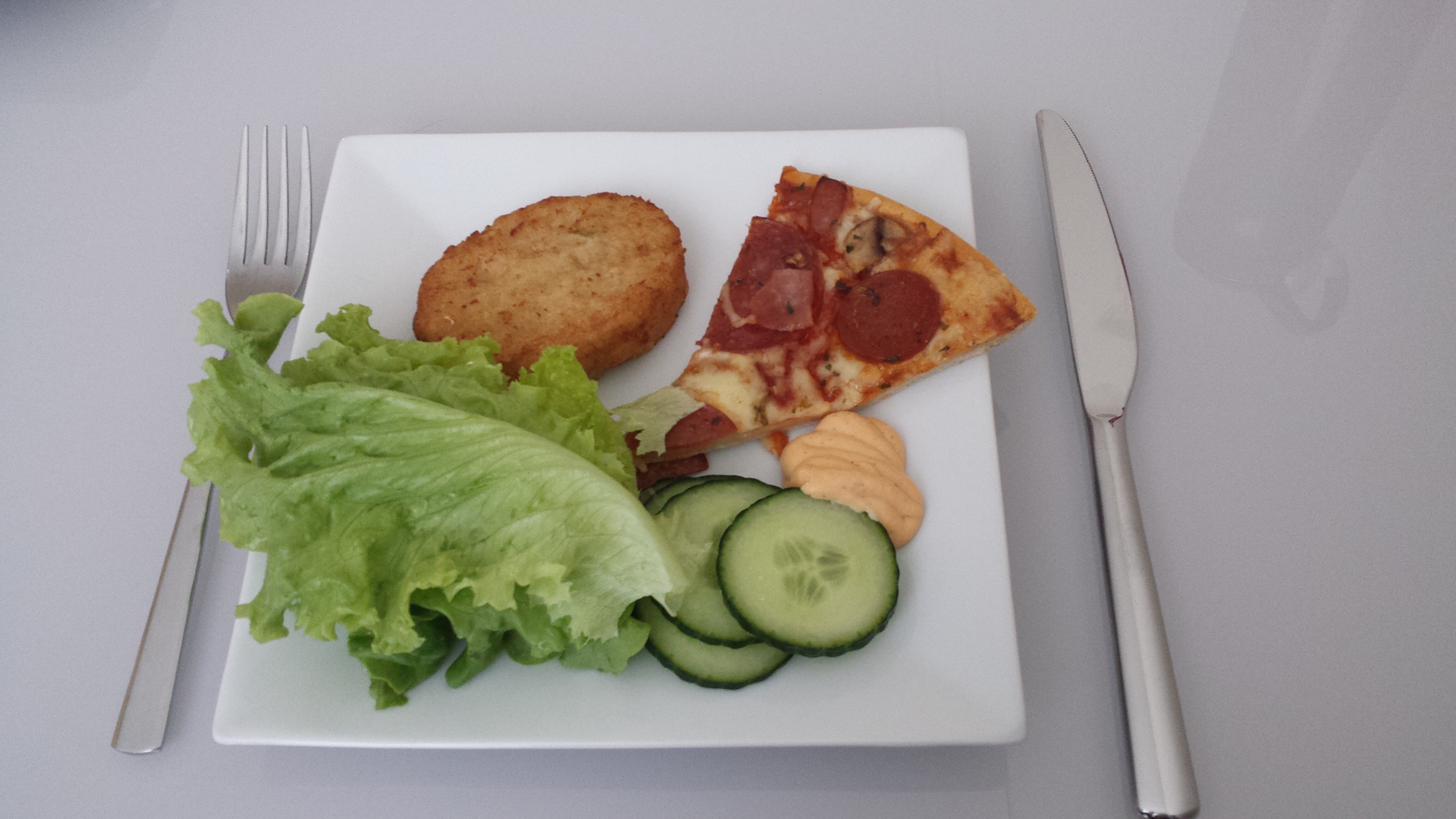
Small thin crust frozen Ristorante pizza: 395 ISK (4.75 CAD)

Pack of frozen fish cakes, 0.858 kg (enough to feed 5 people for one meal): 698 ISK (8.40 CAD)

Big cucumber: 169 ISK (2.0 CAD)

Bunch of Romaine lettuce: 285 ISK (3.40 CAD)

Bottled water (12pk): 828 ISK (10 CAD)

White bread (500g): 159 ISK (1.90 CAD)

We paired the pizza with the fish cakes and preceded it with a salad of cucumber and lettuce. This was enough to satiate a family of 5, so purchase according to your party’s needs.

Bonus dinner on a budget. Frozen pizza, frozen fish cakes and salad.

Another grocery store worth trying, which offers a bigger selection and better pricing than Bonus, is Kronan supermarket.

Kronan grocery store pickings:

Beef-flavoured instant noodles: 39 ISK (0.47 CAD)

Spring mix salad, 100g: 258 ISK (3.10 CAD)

Milk, 1 L: 135 ISK (1.60 CAD)

Instant cup porridge with fruit: 89 ISK (1.10 CAD)

Frozen Snitzel, 10 pk: 1, 399 ISK (16.85 CAD)

Frozen sweet potato fries, 450g: 359 ISK (4.30 CAD)

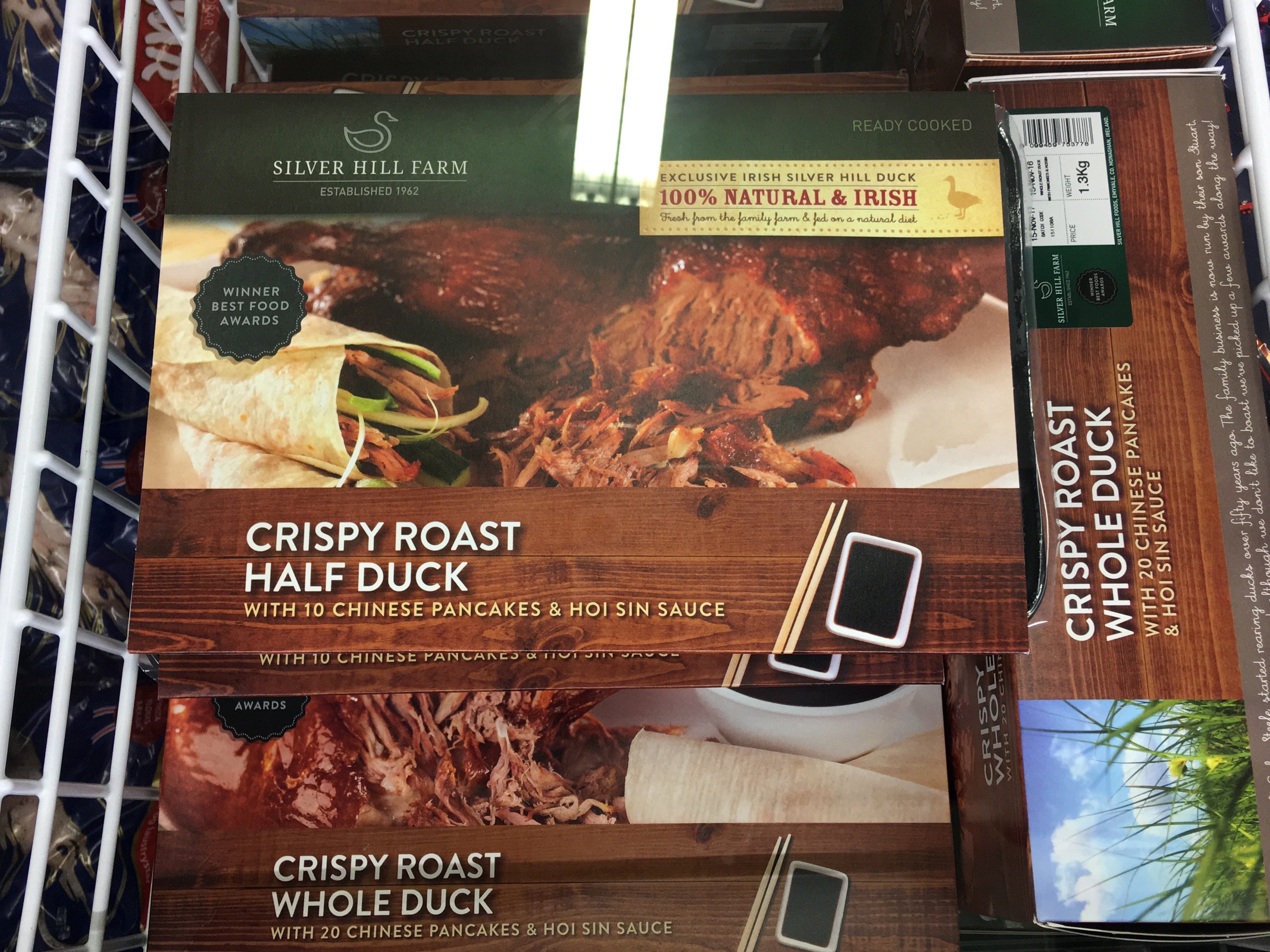
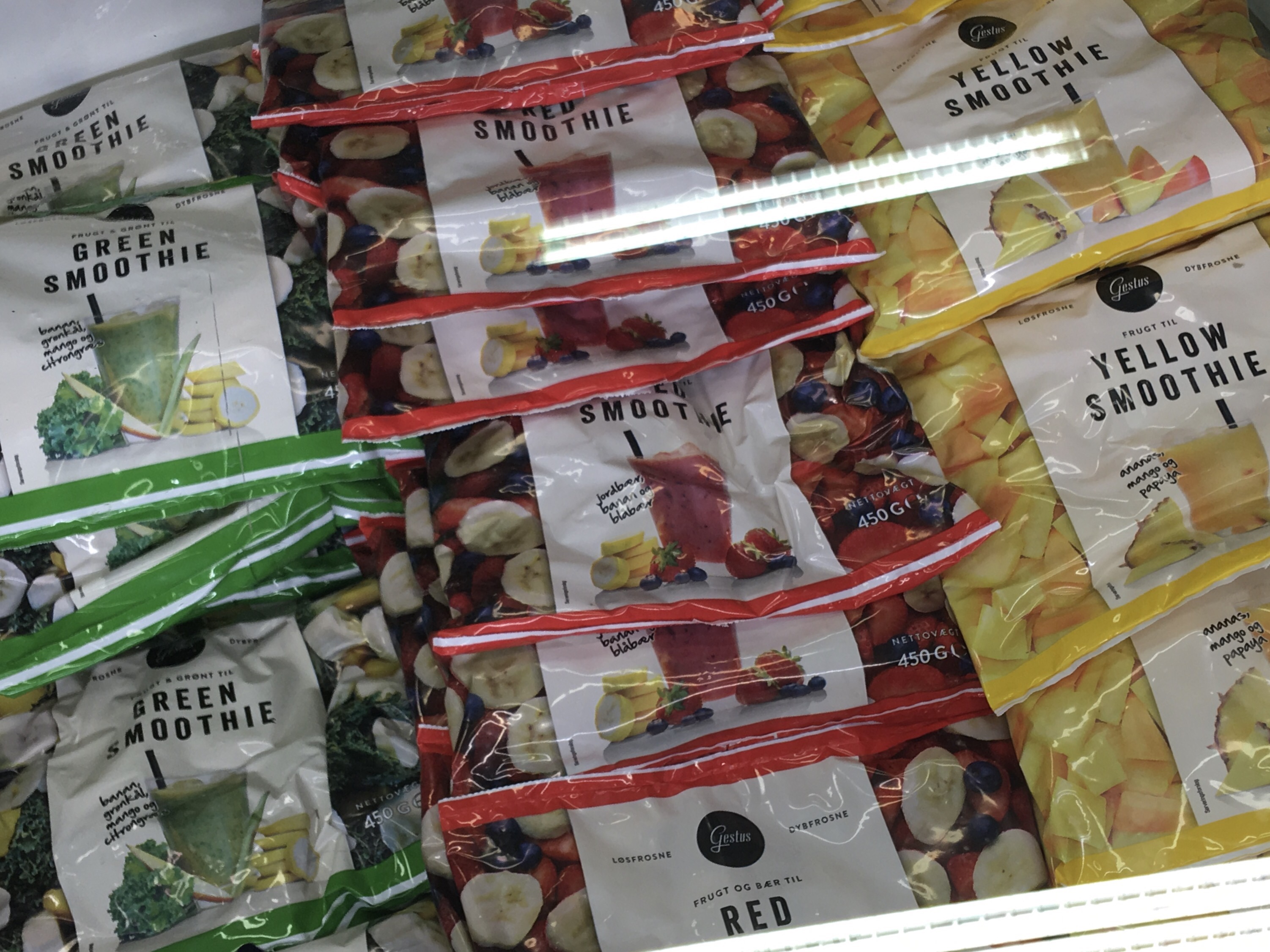
Here are some super cool convenience food items I spied at the Kronan in the area:

Restaurants:
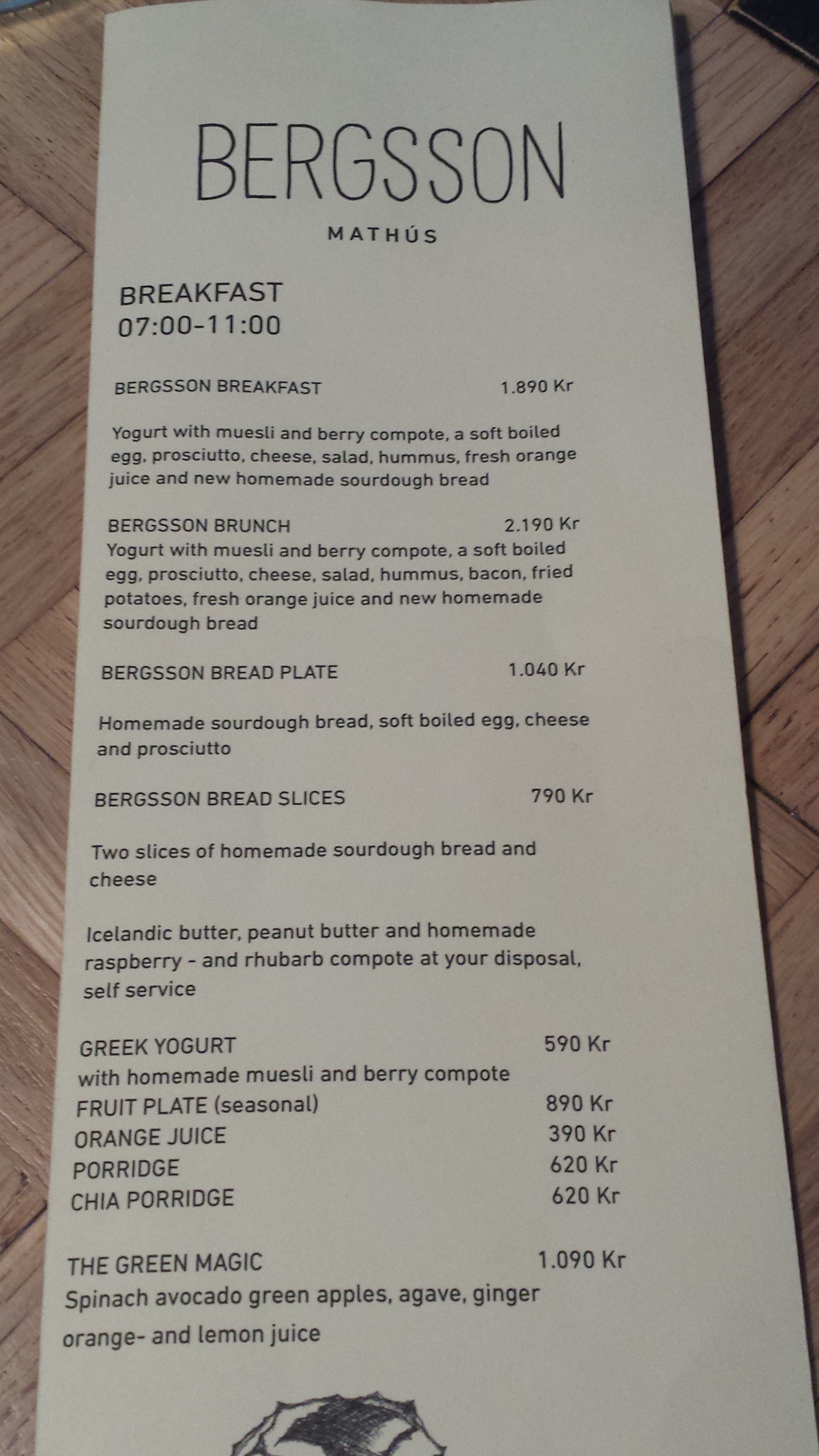
Breakfast for 5 people (bread, cheese, prosciutto, soft-boiled egg and hot beverage): 7, 180 ISK (86 CAD)

This breakfast was had at Bergsson Mathus (about a 15-minute walk from the main bus station, BSI), where the staff were very hospitable and helpful.

Bergsson Mathus Menu

Stores and Services:

Kronan: grocery store with a wide variety of reasonably-priced products

Bonus: also a grocery store but slightly more pricey than Kronan

Lyfja is one of Iceland’s main pharmacy chains
Vinbudin: Iceland’s liquor store

Landsbankkin: Iceland’s major financial institution

Straeto: bus service in Iceland

N1: popular gas station, usually comprising a Subway, Pizzeria and Nesti convenience store

Posturinn: the postal service of Iceland with red boxes at most major bus stations and the airport, for quick drop-off of stamped mail

**Sidenote: Iceland recently opened its first Costco Wholesale and there is an IKEA off the highway!

Miscellaneous:

Postcards: 95 to 120 ISK (1.15 – 1.45 CAD)

International stamps (to Canada and the U.S.A.): 285 ISK (3.40 CAD)

Souvenirs: 300 ISK + (3.60 CAD +)

Things to do:

Everyone talks about the Blue Lagoon, and if this is on your list, do it. However, the biggest bang for your buck would be the Golden Circle with Secret Lagoon package offered by Arctic Adventures. If you have more time in Iceland, Arctic Adventures offers a variety of tours.

Blue Lagoon with pickup and drop-off from/to main bus station (BSI): 10, 600 ISK/adult (127 CAD)

Golden Circle + Secret Lagoon Pkg with pick-up and drop-off from/to several major sites: 11, 990 ISK/adult (144 CAD)

With the Golden Circle package you choose a location that you want to be picked up from, and the time you prefer for the pick-up from the drop-down list online. A word about these bookings (including Blue Lagoon), they need to be done online and ahead of time. Once you pay for the package, you just appear at the pick-up location for your chosen time and a guide in a bus will come get you. We had Scott as our driver and tour guide, and as a former geologist, he had a wealth of knowledge about Iceland’s geology. Trust me when I say that all the things I learned were incredible. In no way did this tour drag on. With visits to the Pingvellir National Park, the Geysir, Gullfoss (Iceland’s most famous waterfall and an impressively stunning one at that), the crater Kerid, Faxafoss (another beautiful waterfall with a clever salmon slide to help salmon swim upstream) and a final resting stop at the Secret Lagoon, this is a tour that is well worth your money. It takes 9 hours, so plan to spend an entire day on this one. Also, pack a towel and bathing suit for the Secret Lagoon as renting a single towel will cost you 500 ISK ( 6.02 CAD).

Did you know that Icelandic farmers allow their sheep to wander freely everywhere all summer, and then in early September farmers, friends and locals get together to round the sheep up into the barn for the winter? Talk about respect for animal life and community! Or maybe that a lot of Icelanders believe in elves and since elves are said to reside in rocks, disturbing rocks (even for construction purposes) is a no-no? Or that 99% of Iceland’s power is renewable energy? Yes, all this and more was learned on the tour. As a teacher, this left me on a high (Yes, I took notes!)!

Gullfoss (Golden Waterfall), largest waterfall in Iceland

Geysir in Iceland with water temperatures between 80 and 100 degree Celsius

If you have an entire day, definitely do the package tour mentioned above. If you can spend more time in this beautful country, whale watching, walking in the Reykjavik city centre, relaxing in parks (their parks are beautiful, clean and so well laid out), biking through Reykjavik, hiking through Iceland’s natural landscape and visiting the Old Harbour are other things you can do. Iceland’s major mountain (really a hill) can be hiked in about 80 minutes if nature gives you a buzz!

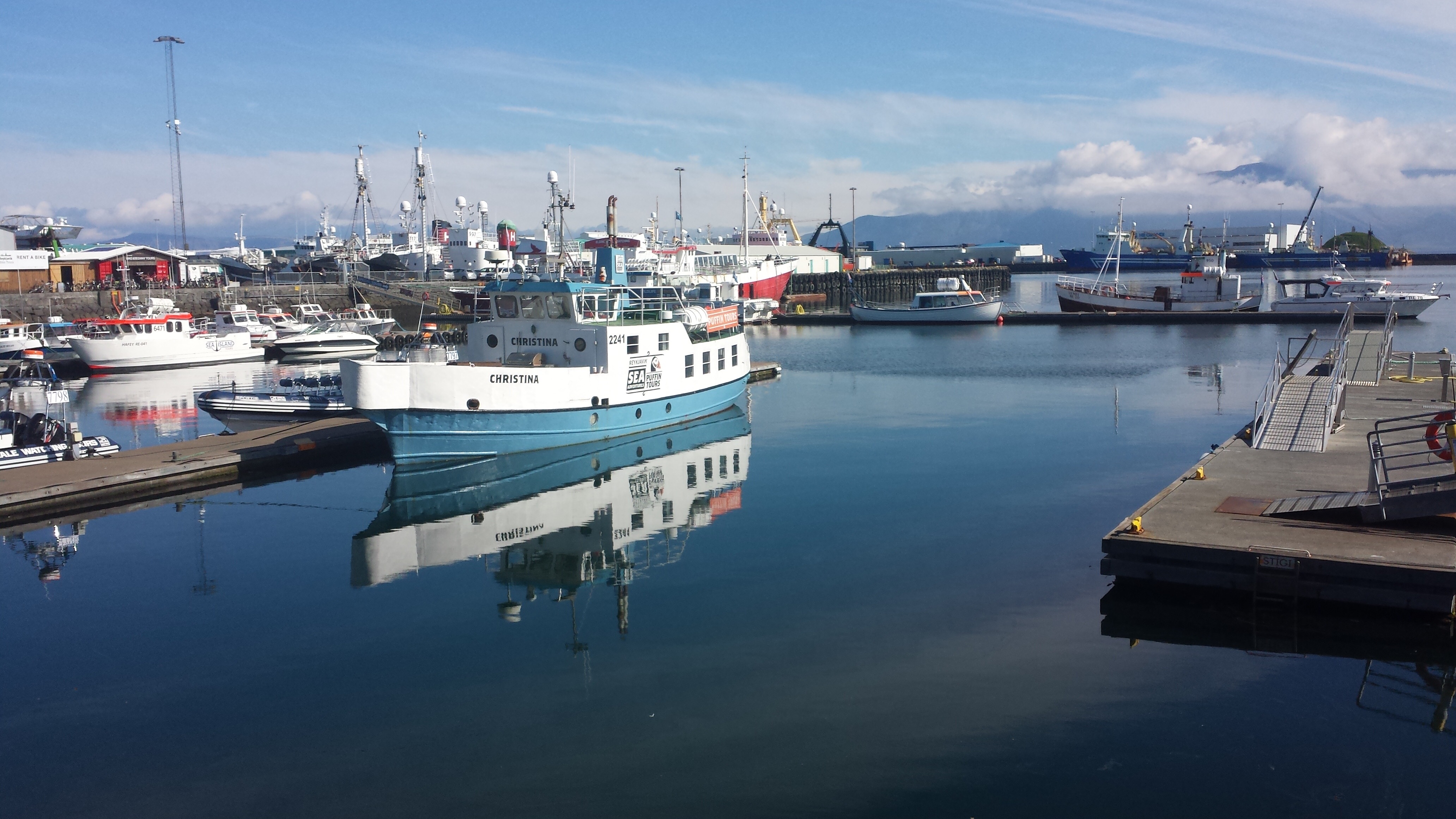
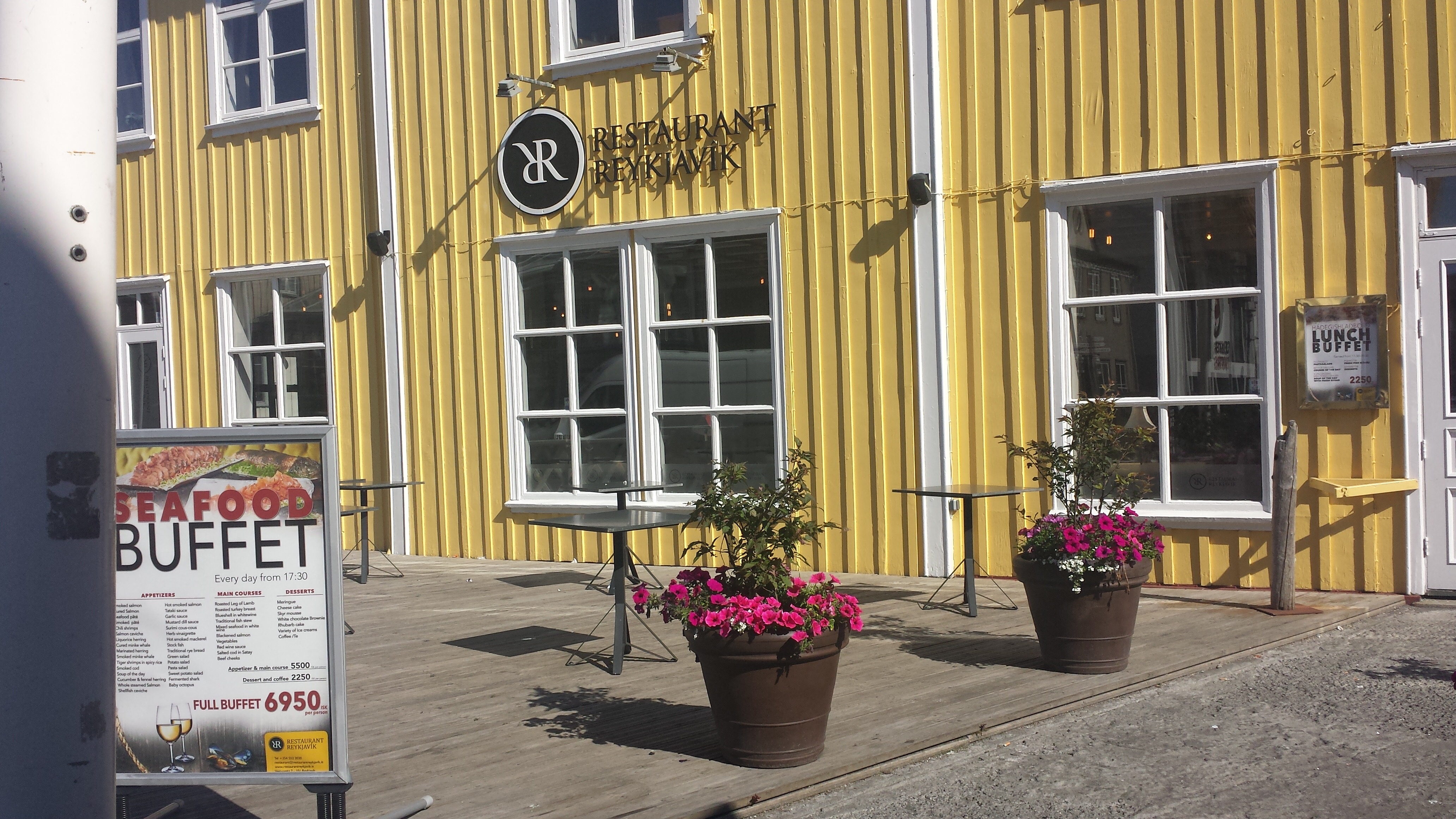
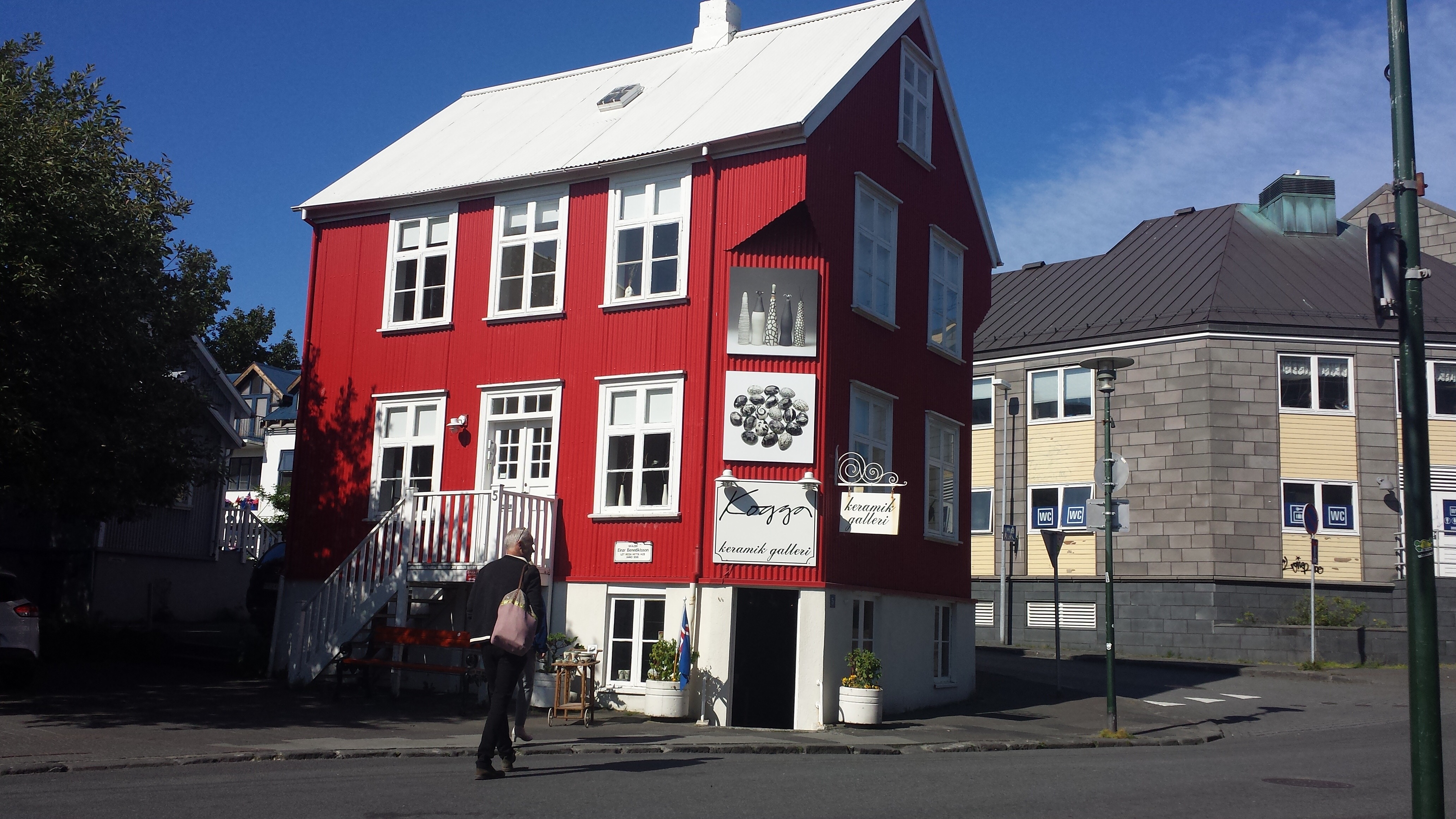
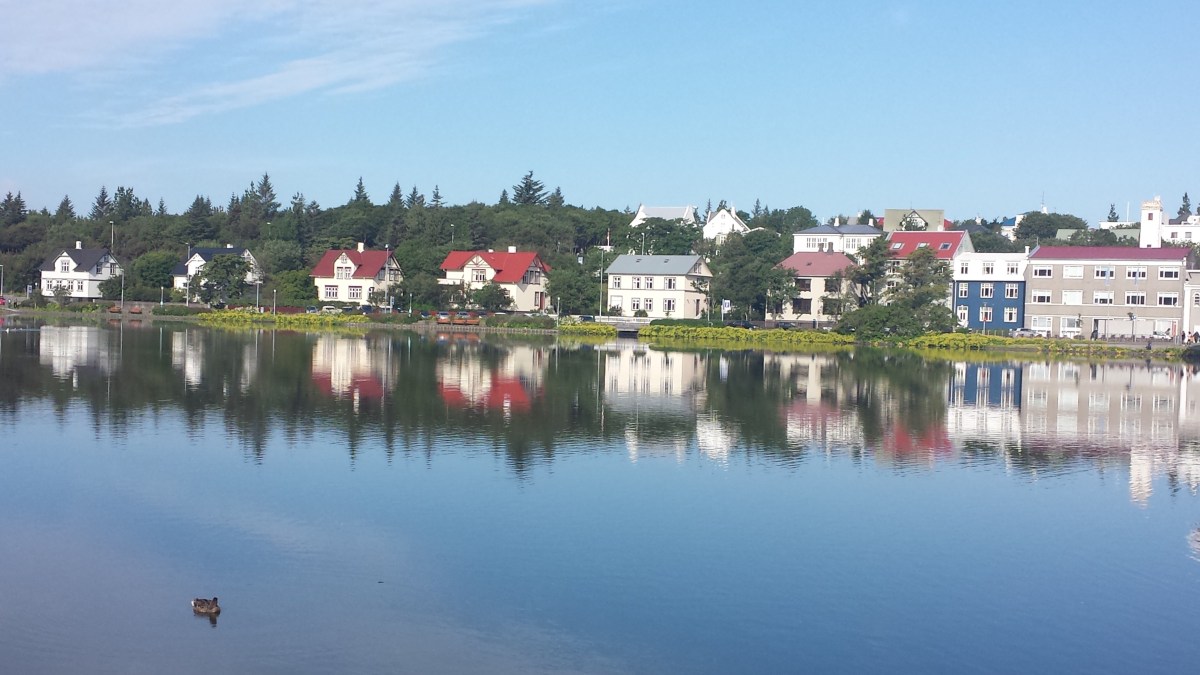
Old Harbour, Reykjavik

Reykjavik City Centre

Reykjavik City Centre

So yes, Iceland is expensive, but there are different ways to stay on budget and Iceland is not just worth the visit, it is a must-experience. I say this emphatically. ICELAND IS A MUST-EXPERIENCE. I arrived worried about spending too much money, but left with an awe for this Nordic country’s natural beauty, inspiration from its innovative design, self-reliance and energy initiatives, but mostly a deeper respect for nature as learned from the wondeful Icelanders. If Iceland is not on your bucket list, you best put it on now!

©booksnnooks.org All Rights Reserved