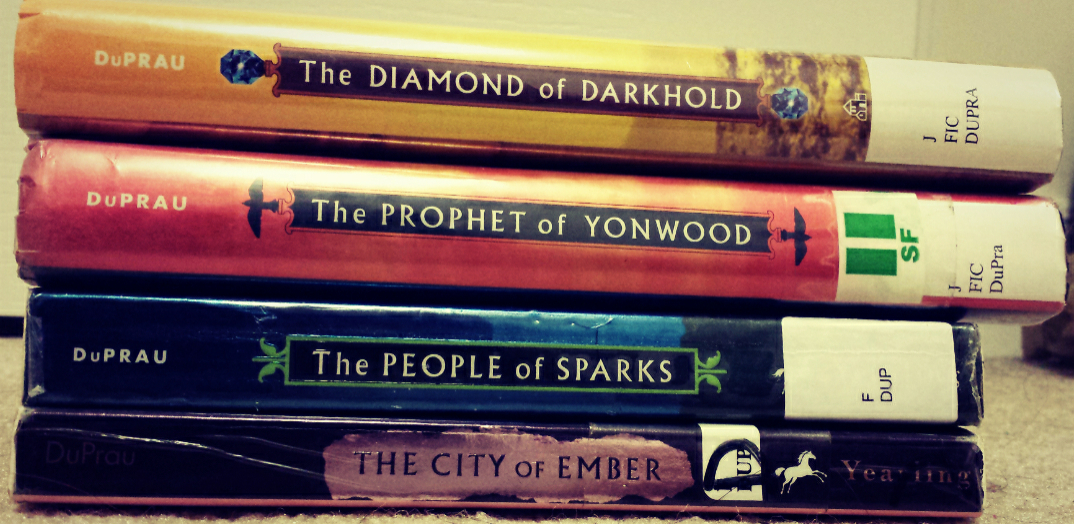
Jeanne DuPrau, Junior Novel Genius: Citizenship Education

So, I don’t use the term “Genius” very often. Sure, Einstein was a genius and your dog might be a genius because he’s figured out which one of your twin nieces is Judy and which one is Jenny before you have, but in a world saturated with people trying to achieve the ultimate, my concept of genius is reserved for a scant few.

Jeanne DuPrau however, is a genius. With her The City of Ember Series, she not only captures the imaginations of young and adult readers alike, she uses her compassionate voice to galvanize our kinder selves. Here’s how:


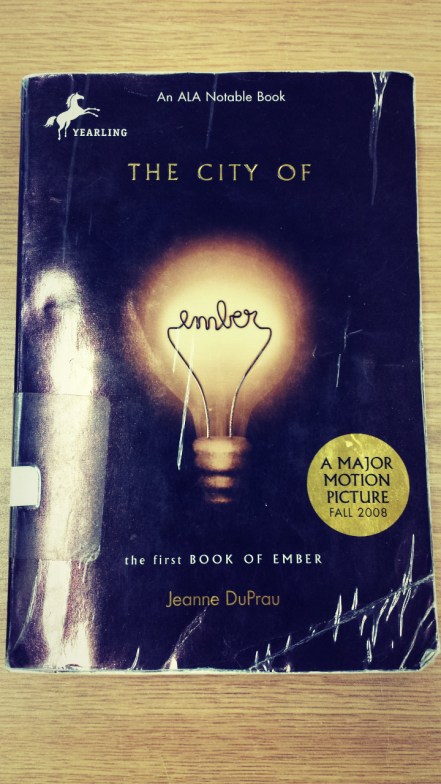
Book#1: The City of Ember
wp-1464191728722.jpeg

I happened upon The City of Ember, DuPrau’s first book, when one of my colleagues decided to do it as a novel study with his students. He meant to simply delve into the genre of Science Fiction with his class. A pilot project of a different genre, if you will. The result was not just his entire class yanking the books off every shelf to continue the series, but I too checked out this entire series from the local library.

This first book starts off with two very strong characters who find themselves partners in a journey to save their people, the Emberites, from total destruction. Young Lina is a fireball of energy and she has her conscience ground on tight. Young Doon has a few lessons to learn along the way, but he surprises everyone with his bravery at key points. The setting of the City of Ember unfolds a fantastic tale of an underground city built to survive destruction. The Emberites are not aware that they exist below the surface, they do not know what the sky or the sun are. Their daily existence is dictated by the timing of the floodlights that line their buildings and streets, lights that have been going on and off on schedule for nearly 200 years…until they start flickering. Can the people of Ember escape before the electricity that powers their daily lives gives out? Or will they be lost forever in an abyss of fatal darkness? This first installment explores themes of courage and perseverance. It explores themes of friendship and loyalty. It explores familial bonds and doing what is right. It explores our human need for survival even if severe risk-taking is the only option. This first book will leave you clamouring for the next three until the final, satisfying finish.

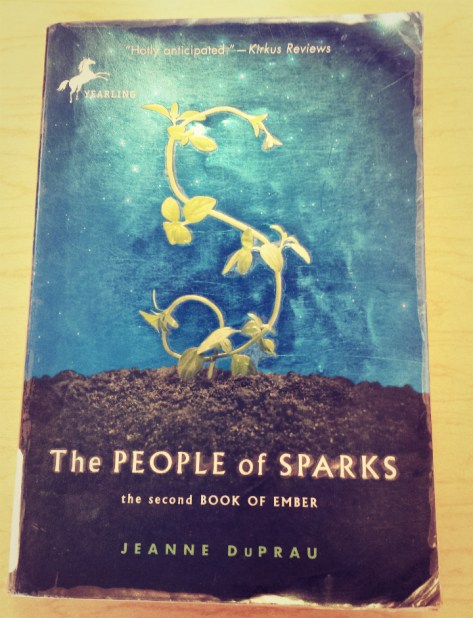
Book#2: The People of Sparks
wp-1465321629118.jpeg

The second book in the series, The People of Sparks unveils what happens when different communities are forced to live side-by-side. It teaches readers of all ages the valuable lesson of how anger and violence can decimate relationships and entire societies. It promotes non-violence and peace, no matter how much hardship must be endured to find that peace. It brings forth the human desire for being good and giving good to our fellow human beings. However, it also shows our primal nature for self-preservation in the face of impending danger. Above all, it teaches the reader that there is a fine line between that choice, and making the wrong one can have catastrophic outcomes for all of mankind. Lina and Doon are back, but this time in a different place than their native Ember. This new world is strange and hard, but Lina and Doon, along with a whole lot of other characters are not crushed.

It is in this book, that the reader is made aware of the Great Disaster that nearly demolished all of mankind. Themes of human greed and kindness, wisdom and violence are explored with very compassionate conclusions. In many ways, DuPrau weaves morality and better ways of being into her books. And this is where her genius shines brightest, in her sensitivity to the evil that exists in our world, and her ability to find a way to take a strong stance against it. All this, with a non-violence the likes of Mahatma Gandhi. In this second book, readers are, or maybe just I was, moved to tears at the goodness of humankind. Cue #faithinhumanityrestored.

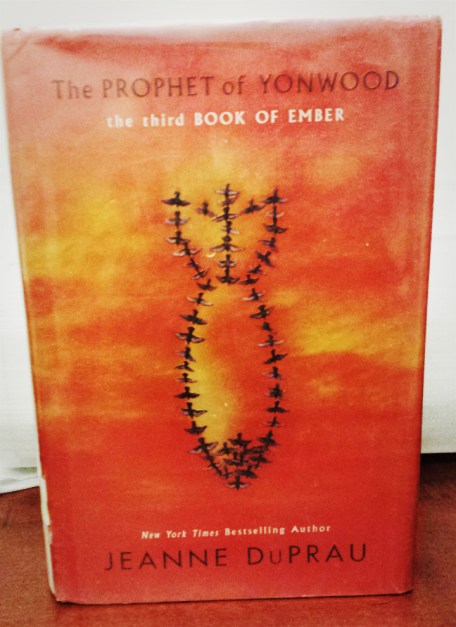
Book#3: The Prophet of Yonwood
wp-1465321723384.jpeg

The Prophet of Yonwood is perhaps my least favourite of the series (if it is possible to have a least favourite in this series). It attempts to explain the existence of the riveting events in the first book, and guide along any predictions for the last and final book that the reader might have.

In this one a very flimsy story is built around a lady named Althea Tower and her “prophecies” as reasons for the way things are in a small town called Yonwood. We meet new characters in this book, because this one in chronological order, precedes The City of Ember and exists hundred of years before those events. Much of the story seems like a filler to explain minute details that I think the reader could have put together for him/herself with the help of a brief preface from DuPrau, in possibly the last book.

We meet the characters of Nickie and Grover, characters very similar to Lina and Doon in The City of Ember and The People of Sparks. These characters seem to slosh about in this book, biding their time until the very end when things are revealed to the reader. They plunge along sans meaning many at times, and they seem to know this as they take on bonds with animals to fill in their time in this book. Stories branch out of the woodwork and take on weak tangents before finding a quick and slightly bewildering path to an end.

However, this book is not all a waste of its 289 pages. It brings about the questions surrounding faith and how one comes to develop a sense of right and wrong. It is very profound in its exploration of this multi-faceted conundrum, and DuPrau manages to do this in a manner that does not patronize. The main character, Nickie, is plagued with her notions of what faith is and what is right and wrong in relation to what she believes and what other people tell her. Nickie trundles through the book and arrives a much-changed character at the end of the book where we see she has grown herself a strong foundation of morality and her own faith.

The question of the existence of God is put on the table, and even though much of this entire series has a strong Science-Fiction element to it, it is equally acknowledging and respectful of religion and faith. And this is one of the many things that makes DuPrau a must-read author. She offers always, both sides to the coin, not a biased version of just one perspective. In doing so, she positions her books in a very powerful position to help growing minds too, to see both sides to each coin.

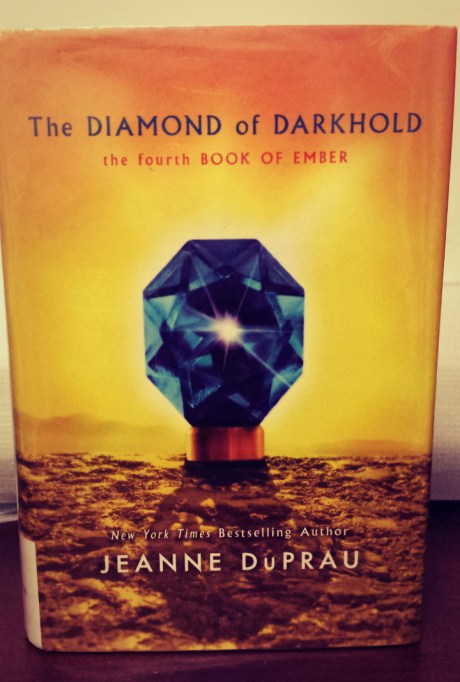
Book#4: The Diamond of Darkhold
wp-1465321671687.jpeg

The Diamond of Darkhold is the final book in the series, and what a joy it is indeed! It brings full circle with absolute brilliance, the journey of not just Lina and Doon, but the entirety of humankind. The very final secrets are revealed, and humankind seems to find herself back to the very threshold of the powerful beginning when things were simpler and war and disease did not devastate.

The courage of Lina and Doon make a comeback in this book, but DuPrau has become braver and she has reckoned that so has her audience, and as a result she plunges her readers into terrifying depths with this last installment.

Selflessness and the desire to contribute in a meaningful way are two ideas that are thoroughly championed throughout this book. So is the very important concept of forgiveness. Lina and Doon risk their lives to help their people lead a better life, and in doing so provide hope for the future. In this book too, DuPrau gets more creative and technical in her understanding of various scientific elements, specifically Electricity. She champions solar energy and clean living, other lessons that I believe are crucial to growing minds everywhere.

All in all, DuPrau offers hope amidst a destroyed civilization, always with the caveat to be good to each other and not live greedily. As she paints the pictures of evil and destruction and hardship, she places in all her readers the knowledge that our existence (with our inventions and lifestyles) are but mere grains of sand that can be wiped out in the event of major catastrophes. Extremely fragile. DuPrau attempts to instill a humility in a society too plagued with the self and airs of entitlement.

Conclusion

Throughout the series, you will laugh with, and cheer on the main characters, Lina and Doon. You will grow to revere Doon’s father and Mrs. Murdock and develop a sibling-affection for little Poppy. You will even feel a fondness of Maddy, the at-first gruff, but finally gentle-hearted roamer. Jeanne DuPrau’s books seek to explore the human psyche and the forces of evil and good that bubble just below our surfaces. She experiments with different scenarios to determine which force will rise to the forefront at any given moment. And she does this without the  jargon associated with many psychologists, both past and present. DuPrau allows us glimpses of our world’s outcomes depending on the decisions we make.

Until now, the only series that has really thrilled me has been Harry Potter by J.K. Rowling. However, in many ways, this gem of a series by Jeanne DuPrau has the potential to go even further in being, not just stellar literature for young children (and adults) everywhere, but purposeful reading that can seek to bring positive change to our world. This entire series is a MUST-READ for students at the Junior Level (Grades 4-6), so teachers, take note! It helps with their Citizenship Development, making them into more responsible leaders for our future. I vow to teach this to my junior students someday, but until then, these four books will be making their way to the shelves of my personal library.

© booksnnooks.org All Rights Reserved


A Catastrophic Epidemic. No, Seriously.

wp-1464884396557.jpeg

Okay, so, I LOVE the English language. I love the way it sounds and the way it writes and reads. And yes, it may be the most “corrupted” language in the world where it has borrowed and stolen from every other language out there, but I like to look at it as being versatile. So, please take a moment then to appreciate my horror and absolute disgust at the decimation of this very versatile and universally-beneficial language. Let me explain.

There’s too many people here. 

What is wrong with this sentence?

The English language has grammar, a set of rules that dictate how a language is written and spoken. Now, over a rigmarole of years (and this is where that notion of “corruption” comes into play), these grammar rules have been poked and prodded at to tweak and change for different conveniences. Marketing Suits might come up with a catchy phrase that drops the plural in favour of the singular, or maybe an apostrophe is omitted because really you couldn’t be bothered to type out the entire thing in a text message (Your versus You’re…ring a bell anyone?). Now, while these are convenient ways to communicate, the crux of the language is scattered away to the sidelines. The bare bones that make up the meaning are shunned to make way for “the cool” or “the new”. The English language is cool as it is, and it is constantly assimilating with our changing world to include new words. Why then must we butcher it so?

Now, back to my earlier example:

Is is a conjugation of the verb To be that is used with a singular pronoun or noun.

E.g. She is, He is, The cat is, Much of the sugar is

Are is a conjugation of the verb To be that is used with mostly plural pronouns or nouns.

E.g., They are, We are, The dogs are, Many people are

Notice how the first example incorrectly matches a plural pronoun (many people) with a singular conjugation (is) of the verb To be?

The correct sentence then is:

There are too many people here.

This is truly (and no, I am not being dramatic) a Catastrophic Epidemic that needs to STOP.  Why reduce the English language to a hodge-podge of sentences lacking correctly-placed apostrophes and appropriate verb conjugations?

Why, if this continues, the English language will be nothing but a bunch of letters strung together like this:

Icantunderstandwhythisishappeningandevenifyoucanreadthisitdoesntmeanthatitmakesalotofsense.

Or like this:

LOL  TBT  TMI

What is that anyway? Code for I am so smart, I put an entire sentence together with capital letters? What if I don’t understand you? What if I don’t know that TBT means Throw Back Thursday? I mean really, someone just made it up, and then hash-tagged it (see, hash-tagged, a new verb. The English language should EVOLVE, not DEVOLVE) and then it caught on like wildfire, and if you’re standing around and we’re having a conversation and you threw in a TBT, I would just stare at you and then likely shake my head in dismay. Now, I take no issue with new words added. Like I said, English must evolve. However, could I be spared the bombardment of OMGs and 2G2BTs and 2NTEs and AAFs (If you’re wondering what these mean and are starting to come up with the notion that I am a hypocrite for knowing them, simple, I Googled them)?

Now, while this might be met with Mehs and shoulders bouncing in slow motion, and be lauded as, “Oh stop, you insufferable Grammar Police person.”, let me assure you that this is not just a personal affront to me (and proverbial Grammar Police everywhere), it is a gigantic injury to the entirety of the English language. And let’s not forget the added insult where we, the Grammar Police, roll our eyes and turn our noses up at you for misusing the language.

Honestly, how could we possibly take you seriously?


© booksnnooks.org All Rights Reserved

Picture Book Spotlight: A Slight Change in Perspective

Let’s face it then, in today’s world with messages about the way we should act and dress and talk and smile, children don’t really have a fighting chance to decide who they are and love themselves for it. There is so much pressure on our little ones today, that it is a wonder not all of them break under it. Little girls as old as 5 are wearing makeup…trust me, there is a lot wrong with that. And while that is in itself a discussion for another blog, I would like to talk about a Picture Book (Because let’s keep true to the main obsession of this blog, right?) that does a lot of good in helping children understand their own worth, and taking them on one of their first steps to loving themselves. All this with a slight change in perspective.

Amy Krouse Rosenthal is a gifted Children’s Author, and today I want to profile my favourite book from her collection: Spoon. Spoon is a book about…you guessed it, a spoon. A spoon who feels that he is not as special as the forks and the knives and the chopsticks of the world. He ambles on feeling sorry for himself and pining away at the special qualities that his other kitchen folk posses. Until, of course, a slight change in perspective helps him appreciate what he is.

Rosenthal uses the simple, yet profound analogy of being a spoon, to help children understand that each of them is special as (s)he is. With all the conformity inherent in our world, where being part of the pack is championed, the outliers don’t often have the chance to offer their special talents to our world. Rosenthal tries to help with that. Replete with illustrations that tickles a child’s imagination, and dialogue that brings spoons everywhere to life, this book offers children the rare opportunity to see the world differently in any situation, if they just learn how to change their perspective. It offers an option to put a positive spin on just about anything that might look particularly dire. Children have the chance to learn how to be grateful for what they have and who they are. And gratitude is much needed in a world bursting at the seams with entitlement.

So, if you’re a primary teacher, a parent of a child between the ages of 4 and 8, this books MUST be on your shelf. Who knows, that child sitting in the corner in the back of the room, might have his world turned to a shining view after you’ve read this one out loud!

© booksnnooks.org All Rights Reserved
Michael Wade: Making Readers out of Non-Believers

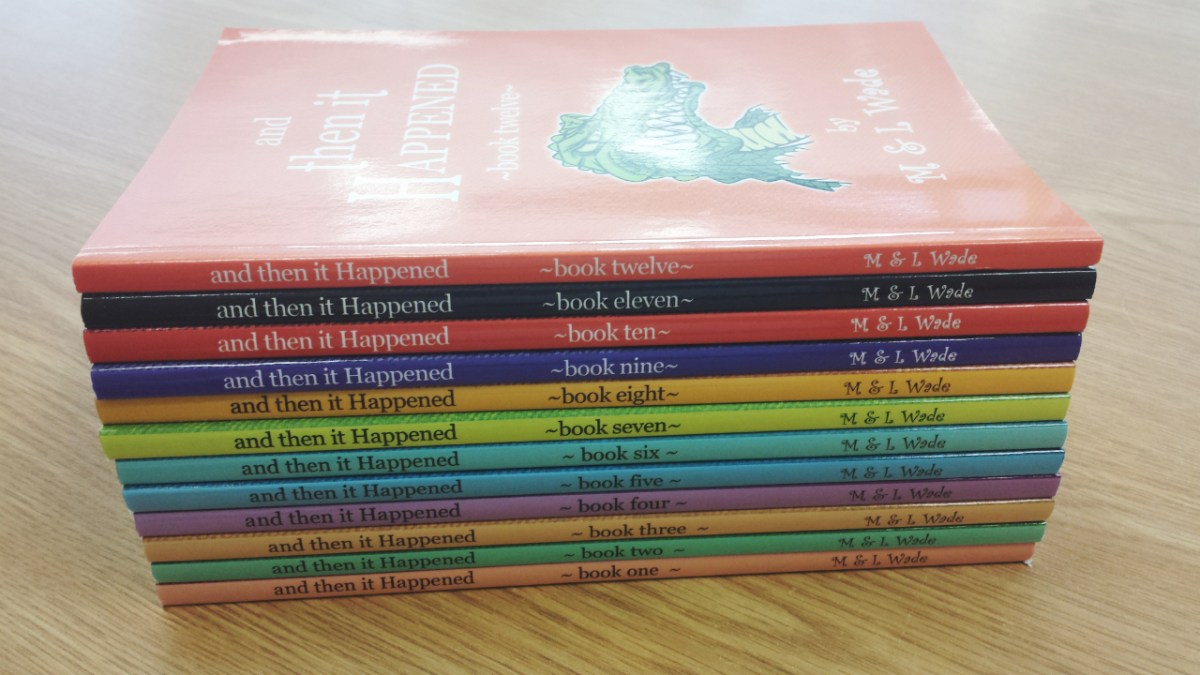
And then it happened… is a Canadian Adventure Series taking young readers by storm! The books are full of imaginative ploys that pull in our mischievous side and leave us chuckling heartily.

Author, Michael Wade, came in for a visit today, and what a lot of people don’t know, is that being a writer is Mr. Wade’s second career. What he did before is something you will find out if you invite him to your school, but let’s just say that it isn’t at all what you might expect. What a fantastic time our students had! The students could barely sit still as he talked about his writing and his life experiences, infusing laughter into every single narrated event. For those of you who have not seen Mr. Wade before, he is quite a bit different than what one might imagine a writer to be. And that is where his central message of “Anyone can be a writer” rings poignant. Mr. Wade showed our students that writers are not people who always dress a certain way or enjoy only reading all the time. They are not people who rarely leave their home and find being around other people exhausting. And even though a couple of these things might ring true for some writers, a lot of writers share just one thing above all else, in common: their meticulousness with reworking their writing to achieve the best possible draft. Mr. Wade stressed on the importance of the power of words. He showed students that words can be used in signs to affect people’s behaviour, that they can be used to teach and even communicate powerful ideas. He showed them that anybody really, is capable of doing this, as long as he/she works hard at the rewrite process.

Now, I have read a lot of Mr. Wade’s stories – they are brilliant! Each one is well-thought-out with a plot that trots along with purpose until the main event is revealed; the And then it happened portion. Students remain riveted in their seats and often, even their breathing is inaudible as they hold their breaths to avoid missing the climax of the story. Mr. Wade’s stories are not just a great way to engage a lot of our young boys who are not specifically drawn to reading, but also our young girls who thrive on the adventures of kids their own age. His books are chapter books, and best suited for grades 3-6, with room for those of you teachers or children with strong readers in grade 2. What I like best about Mr. Wade is that he makes his books accessible to his audience. He uses ordinary words to turn everyday events into moments sparking with excitement and humour. And children love both of these!

So, if you have a selection of Mr. Wade’s books on your shelf, begin a read-aloud with your class for starters, then, sit back and watch the rest of that selection fly off the shelf! You’ll make readers out of non-believers!

© booksnnooks.org All Rights Reserved


“Words Are Not for Hurting”: Teaching Children to Be Kind with Their Words

“I don’t like you.”

“You talk funny.”

“Your hair looks weird.”

These days some children use their words to cause pain. They throw around harsh syllables strung together with absolute thoughtlessness. They are exposed to a barrage of media and other mediums that make them believe it is okay to spit out whatever they wish, without taking any responsibility for the consequences their words may have. They are not taught otherwise, so really, how can we blame them?

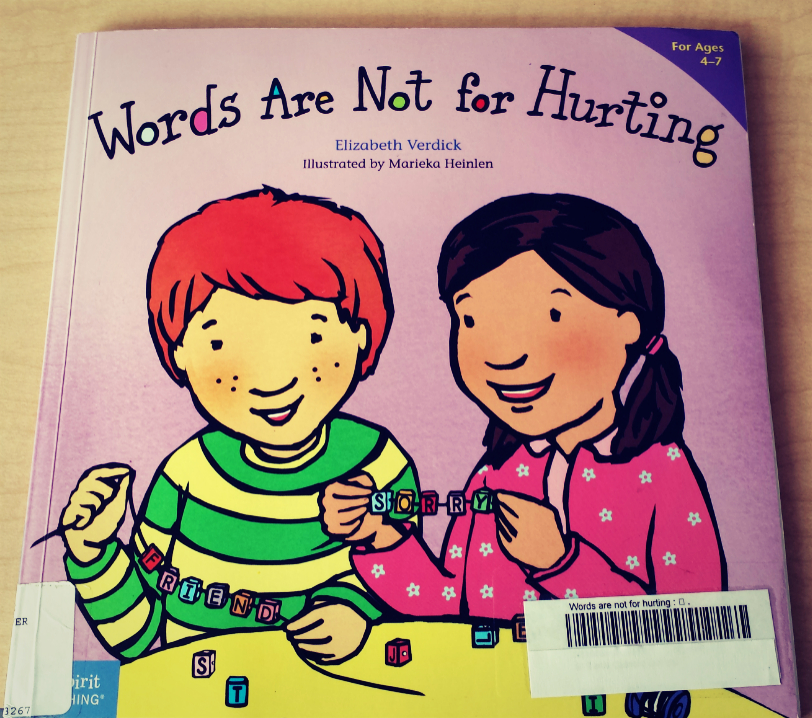
Words Are Not for Hurting by Elizabeth Verdick does a fantastic job of laying down the law around how to use words to help and not hurt. This book is essential in Kindergarten classes and homes of 4 year-olds everywhere. This culture of being rude and unkind willy-nilly is an epidemic that needs to be curbed. As teachers, often we are in very influential positions when it comes to how our students grow up. We can steer them towards being respectful and considerate, generous and tactful. And while it is important for students to learn the basics of Math and Science and Reading, it is more important for them to learn how to be good citizens of the world.

In her book, Verdick systematically charts out how words are formed, with letters, and then maps out what kinds of words there are, then seamlessly seguing into hurtful words versus kind words. She offers scenarios to explore feelings and play out different alternatives to addressing the pain caused by hurtful words. This book makes for a clever read-and-think-aloud. Students will pick up poignant details in the illustrations that display body language and facial expressions showing a range of emotions. They will bounce off ideas and deliver very clever and sensitively-thought-out reflections that will warm your heart, because really, there is goodness in all of us that just needs a firm foundation to build on.

So, add this book to your list of MUST-HAVE read-alouds, if you’re a kindergarten or even higher grade teacher. Sometimes, we all just need a little guidance to be a better version of ourselves.

© booksnnooks.org All Rights Reserved
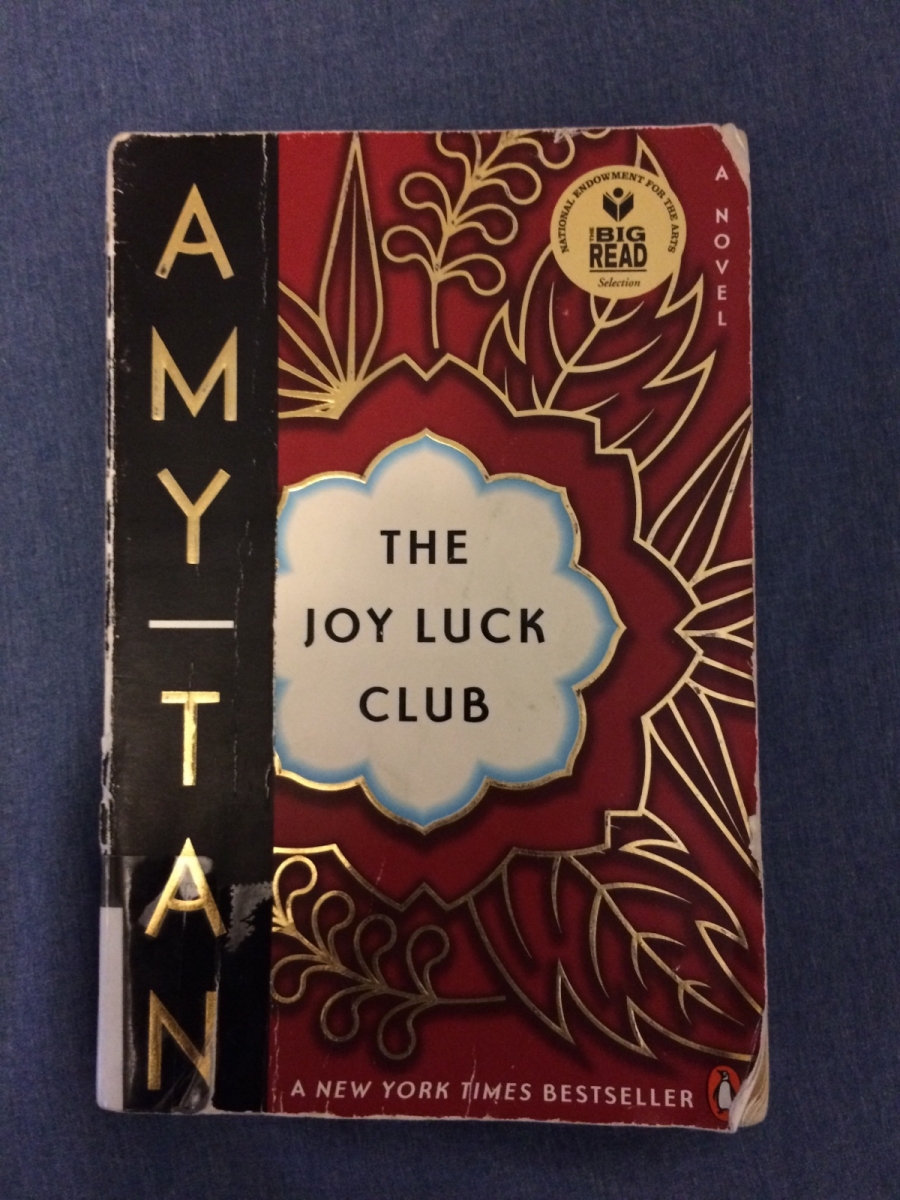


The Joy Luck Club by Amy Tan

Rating: 4.5/5

The Joy Luck Club by Amy Tan is a delightful read. It takes on the ambitious task of narrating a story from the vantage point of 7 women from 2 different generations, and cultures, and in most cases it delivers. The book, with its 288 pages, is divided into 4 sections, each section dealing with a grouping of mothers or daughters. In this way it offers symmetry in relationship to a Mahjong game table, with its 4 sides.

Tan is a writer sensitive to the voices of her protagonists. Sharing their cultural background (Chinese-American), she dexterously weaves traditional elements to bring forth the strong voices of Suyuan and Jing Mei Woo, Lindo and Waverly Jong, An-Mei Hsu and Rose Hsu Jordan, and finally, Ying-Ying and Lena St. Clair. Each character is teeming with complexities that Tan conveys with literary aplomb: from Jing-Mei’s diffidence to Suyuan’s staunch dutifulness, from Lena’s subservient nature to Ying-Ying’s wisdom, from Rose’s growing self-efficacy to An-Mei’s crushing grief and ensuing courage, and from Waverly’s arrogance to Lindo’s pride. These characters are raw and tangible with their faults and growing strengths. They are women of cunning and women of generosity, women who gossip and women who sacrifice almost everything.

What I love most about this book is the richness of  Chinese culture that Tan astutely delivers; be it words in Mandarin and Cantonese or traditions such as the proper way to eat Lobster and make dumplings. Tan’s pride in her heritage is evident through the characters of mothers, and then gradually through the characters of the daughters, as they discover themselves and come to a place of understanding who they are through their mothers’ lenses. This is a joy to behold for mothers and daughters looking to read a book they can both enjoy. It explores the relationship between a mother and her daughter; the intrinsic one that many mothers maintain for life, the one where they know their daughters inside and out before their daughters know themselves.

It deals with generational conflict as each daughter rages against her mother’s lifestyle and principles, only to come to a place of deep respect and appreciation of the family bond that in most cases, cannot be broken. It deals with the loss of loved ones and the loss of self, and the epiphanies that come with each.

For all the praise I could shower on Tan, I felt that the final chapters of the book left me wanting. I was at times confused because certain character’s lives were left in a state of mishmash. Granted the book ends beautifully with the reunion of Jing-Mei Woo with her half-sisters, the last surviving remnants of her deceased mother’s legacy. However, the characters of Rose Hsu Jordan and Lena St. Clair leave me hungry for more development. Jing-Mei’s character develops the best of the 4 younger women (the daughters), and Waverly’s character maintains at an almost static rate. Rose’s character shows a lot of introspection and self-acceptance, as well as courage, as she finally stands up to her divorcing (and possibly cheating) husband, while Lena’s character makes me ache with a need to see her emerge from her shell of insecurity and unawareness.

Still, praise is definitely due to Tan in plenty for her ability to make me (and likely alot of her readership) feel a kinship with all her characters.

Would I recommend this book then? Absolutely! Not just for older women or younger women, or mother-daughter readers who want to enjoy a book together, but also for men who want to understand the Female Chinese Perspective, while also delving gently into the psyche of women, both young and old.

© booksnnooks.org All Rights Reserved
Enabling Children: Self-Acceptance, Finding Yourself and Courage

Much of what children have to grapple with in the real world today are issues around self-acceptance, finding themselves and courage during trying times. And if you are a teacher, you are in a unique position to help enable your students to develop some of these very valuable life traits.

A very simple way to introduce these topics before making practical activities that students can then use to apply in their lives, is through read-alouds. Read-alouds are a fantastic way to get the conversation started. Students truly love them!

Below, are 4 different read-alouds that teach one of the beautiful lessons of self-acceptance, finding yourself and courage.

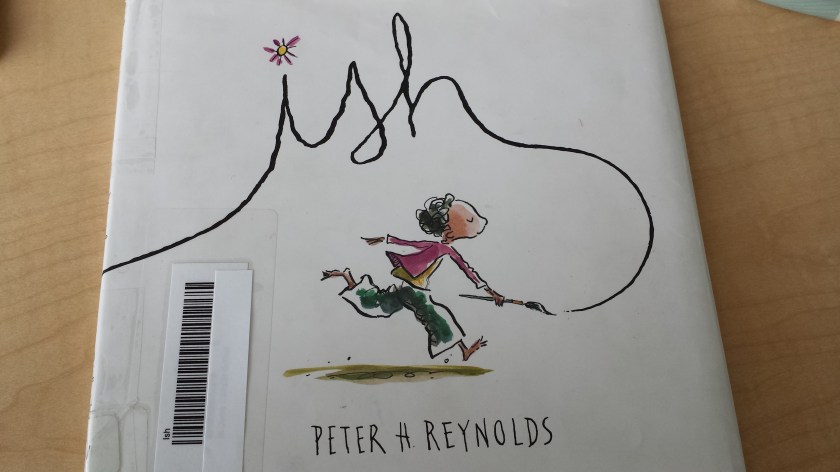
20160428_145152 In ish by Peter H. Reynolds, young Ramon loves to draw, but one day his older brother’s harsh criticism dampens his will to develop his talent. That is, until his little sister reveals the value of her perspective. This book deals with the delicate theme of finding your true talent and learning to shut the haters out while keeping your mind open to different perspectives and possibilities.


20160428_145228[1]

The Paper Bag Princess is easily my favourite by Robert Munsch. Young Princess Elizabeth shows her courage in rescuing her betrothed prince from a dragon, only to find that he cares more about her appearance than her courage. This classic shows children that courage is ultimately more important than how well you dress, because courage shows character and cannot be bought. It also puts your female students in a unique position to imagine themselves as individuals capable of saving others and making a difference, and not the damsels in distress that alot of our society champions.


img1463534056804


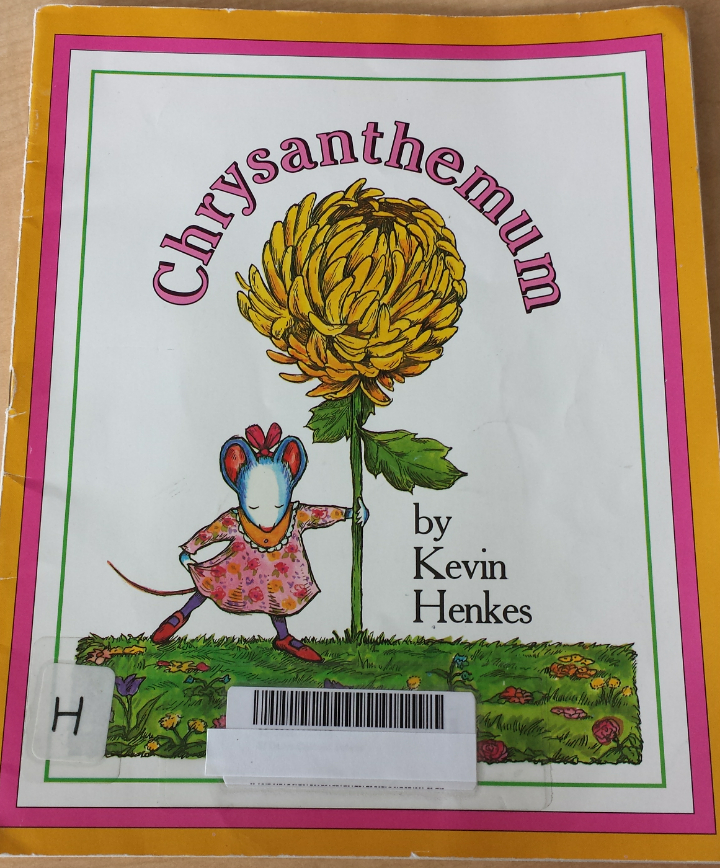
Chrysanthemum by Kevin Henkes is about a little mouse who grows up to love her name, until the harsh bullying of her peers changes her mind. Can she learn to love her name, and herself again? Henkes adeptly touches on the subject of bullying, but chooses to focus on the person being bullied as the victor, not the victim. Self-acceptance is at the heart of this book, and so is the courage to be different.


img1463534016094


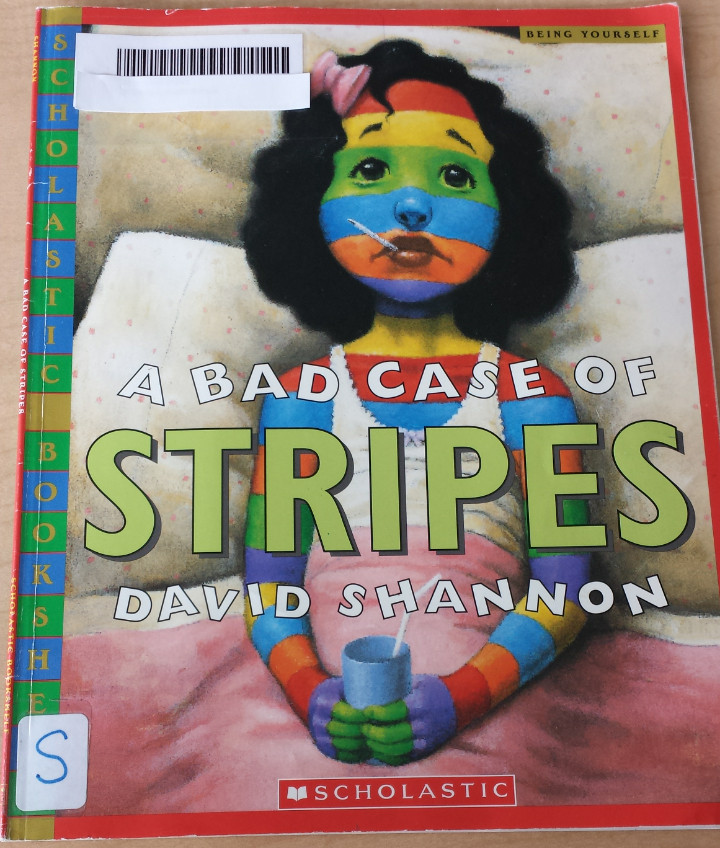
A Bad Case of Stripes by David Shannon paints an intricate picture of a young girl, Camilla Cream, who suppresses her love of Lima beans because she does not want to stand out. Can she learn to feel good about being herself? With generous illustrations that tease the imagination and have students gasping when they see the different forms our protagonist takes, this book is sure to leave your students standing up for what they truly believe in.

Collectively, these books offer students the opportunity to understand that like Ramon, Princess Elizabeth, Chrysanthemum and Camilla, situations that call them to accept themselves and show courage can occur to just about anyone.

© booksnnooks.org All Rights Reserved


Helaine Becker: ‘Ode to Underwear’ Star

So, I organized an author visit at school today. It was the perfect Spring day for a very lively author with a lot of funnies up her sleeve. And Helaine Becker delivered. Born in the United States and now calling Canada her home, this eccentric and easy-to-get-along-with author gave both teachers and students something to chew on. Ms. Becker delivered a very thoughtful and interactive presentation on the merits of the writing process and how the following elements are fundamental to any good writing. Teachers everywhere, take note!

  1. Good punctuation, so your audience can understand with clarity what it is you are saying.
  2. Good writing techniques, such as rhyme and alliteration to create interest in the content and keep the work flowing well.
  3. Good use of rich vocabulary. Helaine stressed that a rich vocabulary comes from a lot of reading. Reading anything, anytime and anywhere. Cue “I told you so” from book-lovers everywhere…
  4. Good descriptive words to allow your audience to paint a vivid image of the world you are creating for them. “Lovely weather, eh?” vs. “Have you checked out this colourful Spring day with blossoming buds and delicious cool air all around?”
  5. Revise. Revise. Revise. Any author or blogger, or writer of any sort knows this to be the trick of the trade. You can’t publish something you hammered out in seconds and haven’t proofread. It just isn’t done.

Author of over 70 different genres of books (adventure books, humour books, quiz books, science books, fact books) spanning various reading levels (picture books, chapter books, junior novels), Ms. Becker is an award-winning writer and for good reason! Her books are dazzlers! Which is why NOT buying her books was not an option. Below, 3 of Becker’s titles that are a must-have if you’re a primary teacher (Grades K-3).

img1463439312298
This book is particularly classy because it is a treasure trove of poetry that young kids can have fun reading and performing. Replete with humour, rhythm and well-imagined characters, this is a good choice when introducing your students to the genre of poetry. Best for: Grades 1-4
img1463448246067
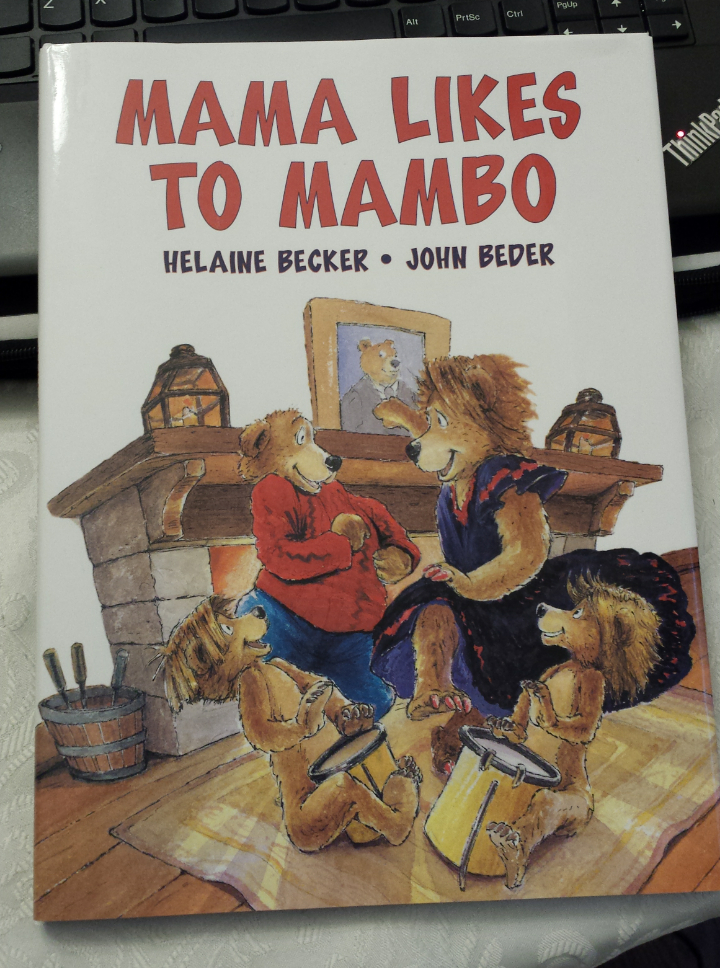
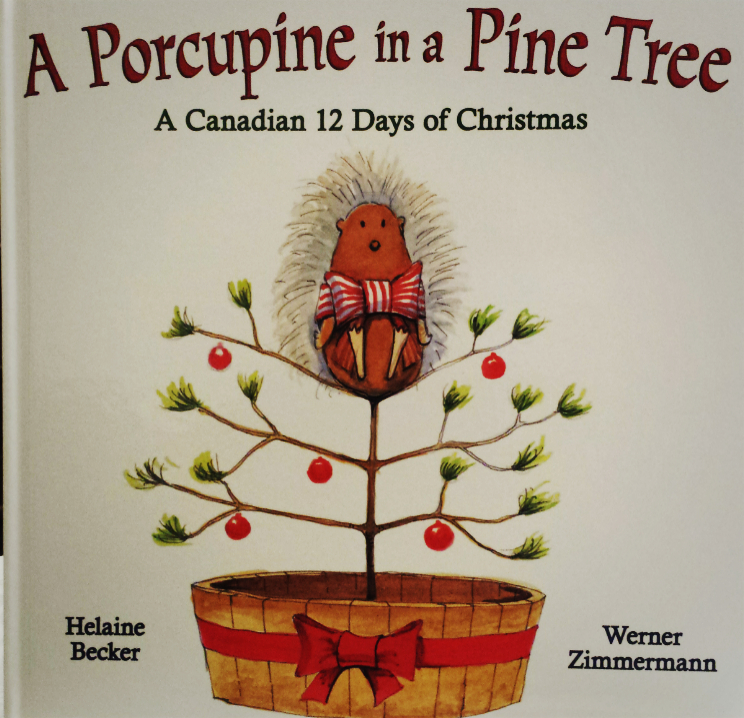
What a fantastic Canadian version of this timeless Christmas rhyme! You’ll find a mention of all things Canadian: Mounties, Beavers, Loons, and yes, even the Toronto Maple Leafs! Best for: Grades K-2
img1463448286656
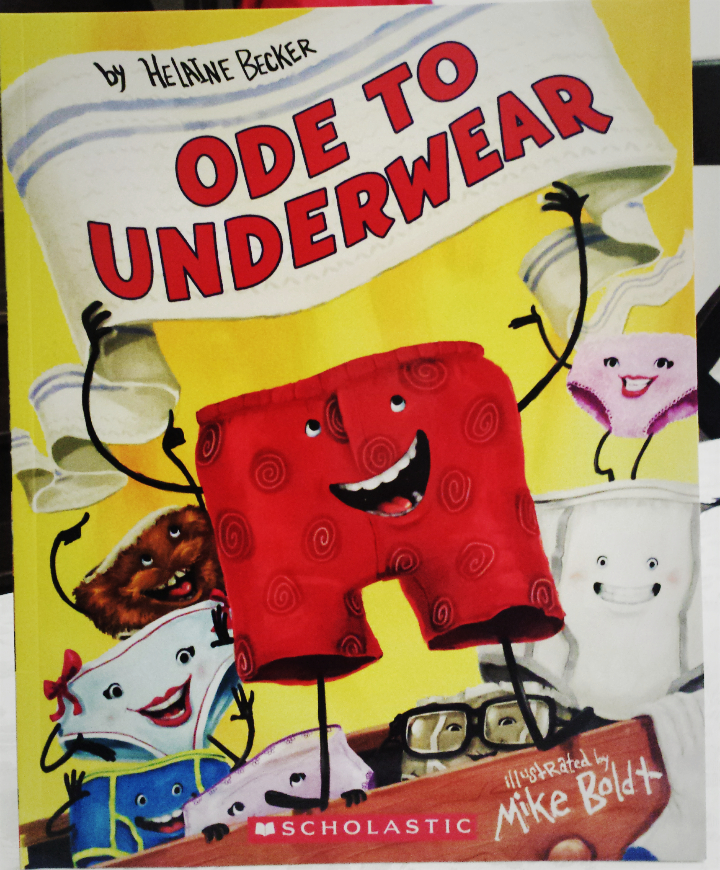
This is my favourite title from the selection! In a hilarious bid to make you appreciate your underwear, Becker does the unthinkable, she exposes the tush-covering fabric! Best for: Grades K-2

© booksnnooks.org All Rights Reserved

An Exercise in Praise of Rainy Days

It rained yesterday, and I love rainy days. They are best for sleeping in and reading a good book and sipping some hot cocoa as you while away a little more time under your warmest blanket.

However, rainy days get a bad rep because they are a nuisance when you want to enjoy time outdoors, they cast this feeling of doom and gloom as the sky darkens and those gray clouds hover over ominously. People seem to always like bright and shiny things and therefore sunnier days are always touted as the best days of the year. “Bring on all that glorious golden sunshine!” If only there were gold in sunshine, we’d all be rich on the sunniest of days. No, I’d take rainy days over the sunny-heat-blazing ones any day. That nostalgia that hangs in the air as you walk under an umbrella amidst the wet tips of green grass blades. That inhale and exhale of air that is both cool and soothing and gentle on your lungs and can only be described as “fresh”. Rainy days are an exhilaration; a chance at renewal. Now, I don’t mean to get all philosophical here, but they are in many ways a chance for births and life to spring forth. Sure, there is the biology behind all living beings needing some quantity of water with which to survive and thrive, but water pouring down from the sky also is a religious motif, the stuff of blessings and starting overs. Sure, when the rainfall is heavy, we are accident-prone in our vehicular contraptions, rushing around with fancy tires so as to stick a middle finger to Mother Nature and tell her that her droplets of water in abundance can’t slow us down.We fight the outpouring of condensation, but why fight it? Why rush through it? Why arm ourselves with umbrella and poncho and a myriad of other keep-the-rain-at-bay paraphernalia? Why not just step out into a dust of generous water and lift our faces to the sky? Why not feel the cool, and sometimes gentle drips on our lips, our eyelids, our cheeks? Why run through it from shelter to shelter? Why not embrace it? Let it soak our hair and then rush home and climb into another rain shower of a different temperature?

I remember when I taught in Finland, there was this one day of the year in about May when the sky opened up and poured with coveted grace all her moisture. She poured and poured on the brown earth with love all day. I remember I rode my bike into work that morning. A commute that took about 40 minutes if I pumped my legs to their maximum capacity with consistency. When my neighbour who had driven her 4X4 to our shared place of work, saw the torrent of water coming down on us when it was time to head back home, she offered me a ride. My bicycle would ride in the back of her truck, and I, would ride dry in the passenger seat of the warm and dry cabin, beside her. Her consideration was touching, but my feral love for the rain had been unleashed in me as a child, and I saw this as the perfect moment to reunite with Mother Nature. To embrace her “blessings” as they poured forth with wild abandon. I hopped on my bike and raced through the rain back home. Of course, I promptly lit a fire upon entering the warm hearth and hopped in for a hot shower, but that is besides the point. I relished those 30-40 minutes with the rain beating down on me. The steady and calming rhythm as if Mother Nature was whispering soft secrets to me. Secrets that I could not hear in warmer, sun-dried weather.

I grew up in a rain-prone country in South Asia so the “summers” were heavy with steady water falling passionately from the sky. And it was on these days that I would venture out with cousins or friends, partners in crime, as we biked through muddy and water-clogged paths.The rain spoke to me. It held me captive with its beauty and agility to come down heavy on humans and the land, but with a gentleness that left us feeling  blessed. Water ebbs and flows with spirituality, with calmness, with abundance and with life. So, rainy days, while they might prove a nuisance on the surface with their mud-sloshing, traffic-heaving side effects, are days to be enjoyed. Days we can embrace our spirituality and our naturalness. Days to bathe in with the rest of creation.

© booksnnooks.org All Rights Reserved

Bone & Bread by Saleema Nawaz

Rating: 3.5/5

BONE & BREAD is Saleema Nawaz’s debut novel, and given that it was also on the shortlist (like my previous post) for CBC’s Canada Reads 2016, she has done quite a good job. This book was particularly poignant because it speaks to readers from various backgrounds. Beena, the main character, comes from a mixed marriage in Montreal, and deals with questions around her identity. She has to sift through her coloured (pardon the pun) past to make sense of her future; a future that is riddled with constant big changes. I do think Nawaz could have told this story in three-quarters or less, of the pages she took to write it, a total of 445, but the story is a seamless read from start to finish. It moves along with a heightened sense of getting to the point where Beena can find peace. When the book opens, Beena has lost her sister,  and now she must wade through the dust and memory of her past to be able to see her reflection more clearly and understand who she is.

Nawaz is able to convey intense emotions through her writing style. She uses short and crisp sentences to transmit Beena’s incredible regret over things done and not done before her sister’s death. Nawaz has carefully crafted a character speared with self-doubt and confusion, but a character bound by love and duty. Through the delicate relationship between Beena and her sister, Sadhana, Nawaz skillfully weaves in the harsh reality of depression manifesting as anorexia and bulimia. Nawaz shows an educated understanding of this strand of mental illness and I am grateful that she uses her talent to bring awareness to such an important issue. As an artist, I do believe one is in a privileged position to educate the world on various societal and individual elements that plague us. This book also does kind justice in handling Beena’s teen pregnancy and her ability to raise her son while caring for her sister who suffers from depression. It shows her courage to finally free herself from her sister’s hold and move away to live her own life, but also her familial loyalty to always come back to her sister, in Sadhana’s times of need. While many may perceive Beena as a static character who remains passive, her role is incredibly reactionary in a world where everything just seems to happen to her. And this is not too far removed from the reactionary reality that many of us live, with a constant lack of control over our lives. The plot charts Beena’s growth from a girl stewing in self-loathing to a woman who can reach out to forgive and make peace with the ghosts of her past. Nawaz wields her talent with vivid imagery, adeptly crafted similes and poignant phrases that deserve to be branded on T-shirts! Poignant phrases from which I will end with my favourite:

“And the work of getting closer, of loving harder, is the work of a whole life.”

-Beena (BONE & BREAD by Saleema Nawaz)

© booksnnooks.org All Rights Reserved