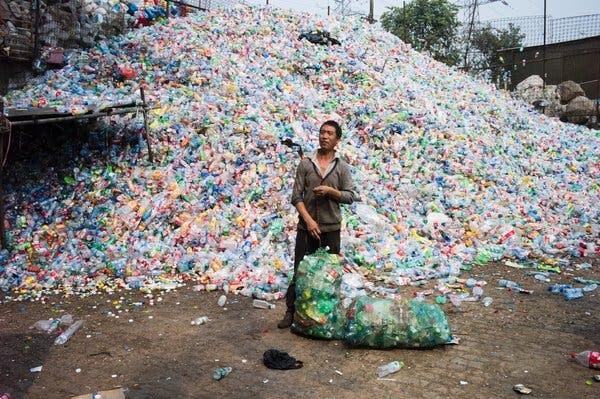
Have you ever wondered where all your plastic ends up when you are done with it? Does it go to factories where they carefully recycle it all? Actually, a lot of it ends up in countries across the world, developing regions where people sort through it just to make a meagre living.
Recently, Canada was under fire for dumping our garbage, unlawfully it is important to note, in the Philippines. Kudos to the Philippines’ government for standing up to us. The garbage will be making its way back home.
Why does this happen? Why do big developed and thriving Western nations think they can”export” their unwanted items in countries where people are poor and can be exploited?
The documentary film Plastic China provides an in-depth look into the consequences of plastic dumping overseas.
Teachers, this film is available on Amazon Prime, but you can take a look at the trailer here:
Eleven-year-old Yu Jie works with her family to sort through plastic waste to make plastic pellets that can be sold for money. They work for $5-6 each day to eke out a living. The children in Yu Jie’s household cannot go to school because their parents cannot afford it. Of course, there are a lot of other factors that drive their poverty, but this film takes a critical look at the human cost of plastic waste.
China has recently come out and said it will be heavily reducing the import of plastic waste from developed countries, but does this mean that poor people will no longer be exploited to toil in harsh and unforgiving conditions with their young for a chance at a better life?
As students watch this film, have them take down notes and you may use the following questions to get them thinking critically about what they have seen.
- What things surprised you about the film?
- What were some things that were not quite clear?
- Why do you think developed nations want to export their plastic waste?
- What are some harmful effects of large plastic piles on the environment?
- What are some harmful effects of plastic dumps on people? Which ones does the film mention?
- How does being a plastic waste sorter perpetuate the cycle of poverty for a lot of people in developing nations? What were some examples you noted from the film?
- How does the life of a plastic waster sorter specifically affect young children in the film?
ACTIVITIES TO FURTHER EXPLORE THIS TOPIC:
1. The Impact of Plastic Export Presentation:
Have your students explore the impact of plastic export on developing nations. Below are some resources they can use to get started. They may complete a digital presentation to showcase their findings on the same and do this in either groups, or individually.
- Where Does Your Plastic End Up?
- China’s ban on trash imports shifts waste crisis to Southeast Asia
- Nearly all countries agree to stem flow of plastic waste into poor nations
2. Lives Impacted Gallery:
Like Yu Jie in the film, have students research stories about how individuals and families in developing countries are impacted by plastic waste dumping. They will need to provide a series of 5-10 images that showcase the impact of plastic dumping on that person’s life. They will need to create these images (drawing, painting, photography etc.) based on the stories they read. Have them provide labels indicating the names, ages and countries of the people being profiled and a brief description of their circumstances.
Students can do a gallery walk to present their ideas and should be encouraged to interact with each other’s presentations by asking questions.
Again, readers and teachers, your feedback is welcomed. Feel free to drop a line in the comments below. As well, I am still accepting suggestions for this 31-Day Social Justice Education Project, so you can send me an e-mail at 31daysocialjusticeedproject@gmail.com with any ideas you have for social justice issues in your part of the world. Please visit my introductory post about this project for details on the same. Don’t forget to connect with me on Instagram @creativeteachingbybd. If you would like to join in the conversation on Instagram, feel free to use #31daysocialjusticeedproject. Be back tomorrow!
©booksnnooks.ca All Rights Reserved
 Books 'n' Nooks