It is nearly 11 p.m. today as I frantically type out this very important post. Family priorities trumped my ability to publish this post earlier in the day, but this one needs to be written, so here I am.
In my previous two posts about water, I talked about bottled water as a specific example of corporate power and greed, trumping basic human rights. I also talked about the privatization of water by these corporate powers, as they sat back and watched communities across the world lose access to a basic human right. Today, I go further. I hone in on a problem here at home. A problem that is a growing blemish on our identity as Canadians. And yes, this blemish is multi-faceted and cannot be covered in a single post. I am aware, and I will dive into the other aspects of this issue as these 31 days wear on.
Most of us in developed countries (and thriving cities) have access to clean and safe drinking water, as well as ample water for our washing needs, so perhaps we don’t really care that people in other parts of the world don’t have access to this same human right. I live in one of Canada’s biggest cities, and by extension, one of its wealthier cities, so it comes as no surprise that my access to water is directly related to this privilege. My Indigenous brothers and sisters in various parts of Canada do not enjoy this same privilege. Their crime? They do not command the same power and affluence. They are easily overlooked. This is wrong. And we: you and I, all of us who have enjoyed safe access to clean water all our lives, should give a damn. So we’re starting now what we should have begun a long time ago. We are educating ourselves and our young people.
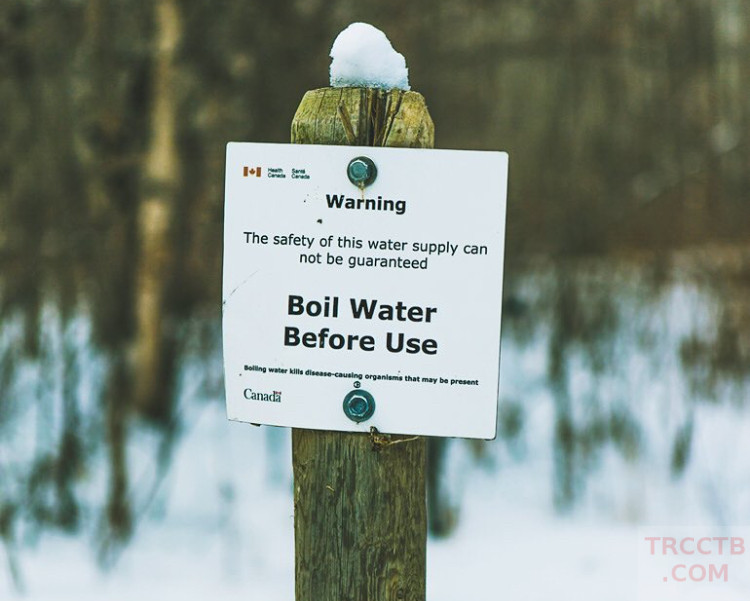
In Canada, our Indigenous brothers and sisters live their daily lives without access to clean drinking water. And they are not the only (native) communities in various countries who do not have this access. Some of you are familiar with the water crisis in Flint, Michigan. This story is one of very few that got told and managed to punctuate our collective ignorance on the issue. The Indigenous communities of Canada deserve to have their voices heard, and they can only have it heard if more of us unite with them and shout together.
I am going to go back to the beginning. Human beings need water to survive, this is fact. About 60% of our body is made up of water and we cannot survive more than 3 days without water. So, why do we not treat water with the respect it is due? Why do we waste it? Is it because we have always had it, so we do not understand its true value? People around the world who do not have such ready access must appreciate it a lot more. And I will go right to the people who appreciate it most: The Indigenous Peoples. Here in Canada, we refer to the first inhabitants of the land as the Indigenous Peoples. In other parts of the world, they have different names. It doesn’t matter. They are the first ones who knew the land. They are the ones we need to turn to in order to understand the importance of our natural resources and how to begin the painstaking process of reversing the damage greed has done.
Readers, and teachers, I would encourage you to watch the following episode of Future History. There is material out there that deals with the water crisis suffered by various communities, but this 21 min. and 45 sec. documentary explores our human relationship with water, and this is important for us to understand as we begin taking action to protect it.
Future History Season 1, Episode 4: Water
This episode begins with the phrase, Niibi Bimaadiziwin in Anishinaabe, which means “Water is life”. As Sarain Fox says, “This [protecting water] is everyone’s responsibility.” The episode talks about living in balance with nature, the fact that we rely on nature for our survival so we must be humble, we must take action and we must save our water sources from pollution by corporations that are only interested in their own bottom line.
Teachers, I am going to keep this one short on activities because there is more to come on Indigenous Peoples as part of this 31-Day Social Justice Education Project. Still, the following are some ways in which students can engage with this short documentary and explore the water crisis in Indigenous communities, as well as our relationship with this necessary resource.
ACTIVITIES TO FURTHER EXPLORE THIS TOPIC:
1. Compose a Reflection
Encourage students to compose a reflection that helps answer the question:
Why is water important to me?
This can be in written form, a drawing, a short video, whatever way your students feel they are most comfortable reflecting.
Ask students to consider what role water plays in their daily lives. Ask them to think critically about how it is necessary for the survival of various species. History teachers, you might also want to mention the role of water in migration over the course of history.
Next, have students consider this key question:
Should everyone have the same access to water that I have?
After having researched communities around the world that do not have the same access to water that we do here in developed countries (as I suggested in my previous post on water) force students to activate their empathy skills as they put themselves in the shoes of another.
2. Indigenous Communities Water Access Report
Have students work in groups to research various Indigenous communities that do not have access to safe drinking water. Indigenous communities like those on Georgina Island, as the documentary describes, are a good place to begin, so students can understand what this looks like. The following are some resources that students can use as a starting point. Again, remind them to think critically about what is written and why. The resources below are a place to start; they are not an exhaustive list (and for my international readers, my apologies, these are solely Canadian resources).
- Safe Water for First Nations
- Indigenous and Northern Affairs Canada: Safe Drinking Water for First Nations Act
- Our national shame: The racism inherent in our First Nations water crisis
- First Nations’ Water Problems a Crisis of Canada’s Own Making
- Amnesty International Canada: The Right to Water
3. What Can You Do? Persuasive Brochure
- Knowledge is useless without activation. Have students work in groups or individually to come up with ways in which they can help improve access to safe water for all people in their communities. They might want to look specifically at an Indigenous community to better focus their solutions, or they might want to think about initiatives that begin at school but have broader applications. Have students come up with a list of solutions, at least 5 and write a short “how-to” on each. Ask them to present these to the class in the form of a persuasive brochure (physical or digital), complete with pictures, graphs etc.
- Once all groups have presented, have the class discuss some of the better solutions that were presented.
- Note these down and then have students vote, as a class, on the best solution.
- Take that solution, and see if your students can follow through on it.
Readers, as always, your feedback is welcomed – let me know about your experience with this topic, or your thoughts on the short documentary. Teachers, please share what worked and what did not work if you try these suggestions. If your class goes on to implement one of their solutions, I would love to hear from you as you begin the journey. It would be an honour to help you and your students through the process in any way that I can.
As well, I am still accepting suggestions for this 31-Day Social Justice Education Project, so you can send me an e-mail at 31daysocialjusticeedproject@gmail.com with any ideas you have for social justice issues in your part of the world. Please visit my introductory post about this project for details on the same. Don’t forget to connect with me on Instagram @creativeteachingbybd. If you would like to join in the conversation on Instagram, feel free to use #31daysocialjusticeedproject. Be back tomorrow!
Migwetch
©booksnnooks.ca All Rights Reserved
 Books 'n' Nooks